
Category: Waste Process

  • How Weather Conditions Impact Building Waste Systems

    How Weather Conditions Impact Building Waste Systems

    Most property teams understand how weather affects rooftops, HVAC systems, entrances, landscaping, and tenant comfort. Yet one area that consistently gets overlooked, even though it is essential to daily operations, is the waste system.

    Seasonal weather influences how waste moves through a property, how it behaves while stored, how staff interact with it, and how reliably the building can maintain service levels. Waste rooms, loading areas, and outdoor collection points all respond differently to cold, rain, heat, and humidity. Each type of weather creates its own risks and operational challenges.

    By understanding those challenges, property managers can stay proactive instead of reactive. This reduces avoidable expenses, safety issues, and workflow disruptions.

    Below is an expanded look at how each season affects building waste operations and what teams can do to stay ahead.

    1. Cold Weather Introduces Handling and Safety Obstacles

    Winter conditions change how materials behave and how staff must move them. While waste itself does not worsen, the surrounding environment becomes more difficult to manage.

    Cold temperatures often lead to:

    • difficulties moving carts over icy pathways
    • longer handling times as staff navigate snow or cold outdoor zones
    • increased slip hazards near exterior doors and loading docks
    • overall slower operations due to heavy clothing and harsh conditions

    Even indoor waste rooms can feel the effects of winter when drafts or cold air enter from exterior docks.

    Strategies for winter conditions:

    • clear and salt all outdoor pathways
    • inspect wheels, floors, and staging areas for winter hazards
    • place anti-slip mats near entries
    • adjust routing to limit staff time in exposed areas

    2. Rain Increases Moisture, Weight, and Workplace Hazards

    Rainy seasons create more moisture around waste systems and increase handling challenges for staff.

    Rain can cause:

    • heavier materials when moisture reaches outdoor staging areas
    • wet cardboard that breaks apart and becomes difficult to manage
    • slippery floors created by water tracked indoors
    • more frequent leaks during handling because wet materials weaken container strength

    Storms often create the biggest swings in short-term operational difficulty.

    Strategies for rainy periods:

    • use covered areas for materials awaiting pickup
    • keep drainage systems around loading docks clear
    • install water-collection mats or squeegees at key entry points
    • increase the frequency of daily walkthroughs during storm seasons

    3. Heat Makes Waste Rooms More Active and More Challenging

    As temperatures rise, waste rooms and loading docks shift into more demanding environments. Waste that sits too long behaves differently in warm months than during any other time of year.

    Hot weather contributes to:

    • more intense odors in rooms where waste is collected
    • increased pest activity at loading docks and entry points
    • faster deterioration of mixed materials when food residue is present
    • higher workloads for staff who handle waste during peak heat

    These challenges can affect not only waste rooms but also surrounding corridors, storage areas, and outdoor spaces if operations fall behind.

    Strategies for summer conditions:

    • increase the frequency of cleaning
    • improve airflow or ventilation in staging areas
    • reinforce proper separation of materials to reduce contamination
    • move waste earlier in the day to avoid peak temperatures

    4. Humidity Creates Persistent Moisture and Material Breakdown

    High humidity affects the indoor waste environment even without rain. Humid air keeps rooms damp for longer periods, influencing smell, safety, and the durability of stored materials.

    Humidity often contributes to:

    • odors that cling to walls, floors, and staging areas
    • soft or weakened cardboard that breaks apart
    • condensation buildup that increases slip risks
    • surface wear on carts or hardware when maintenance is infrequent

    Humidity is difficult to see, which makes it a commonly overlooked seasonal issue.

    Strategies for high humidity:

    • increase airflow or ventilation inside waste rooms
    • dry floors and surfaces more frequently
    • inspect carts and hardware regularly
    • protect cardboard and paper materials from humid conditions

    5. Seasonal Weather Fluctuations Change Collection Patterns

    Haulers also adjust their operations throughout the year. This affects collection times, delays, and waste volumes.

    Common seasonal changes include:

    • delays during storms, snow, or extreme heat
    • earlier pickup times during hot months
    • increased packaging during holiday seasons
    • higher overall waste volume during summer outdoor activity
    • more cardboard around retail and gifting periods

    These fluctuations can cause stress if a building is not prepared for temporary shifts in waste flow.

    Strategies for staying ahead:

    • communicate frequently with haulers
    • adjust compaction, baling, or staging schedules during peak seasons
    • develop overflow plans before high-volume periods begin
    • track seasonal waste levels for better forecasting

    6. Waste Systems‘ Staff Safety Is Directly Affected by Weather

    Weather shapes the daily working conditions for all staff involved in waste handling. Safety directly influences efficiency.

    Seasonal concerns include:

    • slippery floors in rainy or humid environments
    • discomfort when working in hot or poorly ventilated areas
    • cold exposure during outdoor transport in winter
    • reduced visibility during early dark winter hours or heavy storms

    Teams remain more productive and confident when safety is prioritized.

    Strategies for seasonal safety:

    • use proper footwear and gloves
    • increase ventilation and airflow during hot seasons
    • maintain clear outdoor routes during winter
    • provide regular safety training for seasonal hazards

    7. Buildings That Plan for Weather Perform Better All Year

    The most reliable waste systems are not the ones that respond quickly. They are the ones that prepare early.

    Effective year-round planning includes:

    • deep cleaning before heat waves
    • winter checks for wheels, lids, floors, and outdoor paths
    • leak-prevention steps before rainy months
    • staff refresher training ahead of seasonal waste surges
    • updated signage when waste volumes increase or change

    Preparation improves cleanliness, safety, and operational stability throughout the year.

    Weather Impacts Waste Systems More Than Most Buildings Expect

    Weather cannot be controlled. However, the disruptions it causes to waste operations can be minimized when buildings understand how temperature, moisture, and seasonal patterns affect their material flow.

    Terraforma Systems provides equipment and tools that support strong seasonal planning and help buildings maintain efficient, reliable waste rooms in any environment.

  • Biodiversity’s Role in Sustainable Waste Management

    Biodiversity’s Role in Sustainable Waste Management

    When people discuss sustainability, the conversation often focuses on carbon footprints, renewable energy, or recycling programs. One key part of the equation is often overlooked is biodiversity. From invisible microbes to essential insects and plants, biodiversity plays a powerful and often underappreciated role in how we manage waste in sustainable ways.

    What Is Biodiversity and Why Does It Matter?

    Biodiversity is the variety of life found in ecosystems. This includes everything from bacteria and fungi to plants, insects, and animals. In the context of waste management, biodiversity doesn’t just support nature in general. It directly helps break down, recycle, and renew organic materials.

    Nature already processes waste with impressive efficiency. When organic waste is handled properly, it becomes a valuable resource rather than something to throw away. That transformation happens because of the many living organisms working together in the system.

    Microbial Diversity Drives Decomposition

    A single handful of healthy compost contains billions of microorganisms. These include bacteria, fungi, and protozoa. Each one has a specific job in breaking down organic matter and turning it into stable, nutrient-rich compost.

    The more diverse these microbes are, the better they are at breaking things down. A rich microbial community adapts more easily to changes, produces fewer odors, and results in higher-quality compost. These tiny organisms may be invisible, but they are essential to the entire process.

    Insects and Decomposers Do the Heavy Lifting

    Larger soil organisms like insects and earthworms also play a key role. Earthworms help mix and aerate compost, which allows oxygen to flow and supports microbial activity. Insects like beetles and ants break down materials into smaller pieces in nature, making it easier for microbes to continue the process.

    These creatures do best in healthy, chemical-free environments. When biodiversity is protected, these decomposers thrive and help turn organic waste into something useful and sustainable.

    Plant Diversity Supports Healthy Waste Cycles

    Biodiversity above ground is just as important. Different types of plants have varied root systems that improve soil structure, help absorb nutrients, and create space for helpful organisms to live.

    When compost is used in areas with a wide mix of plants, the impact is even greater. Soil holds water better, nutrients cycle more efficiently, and the whole ecosystem becomes healthier. Compost supports biodiversity, and in return, biodiversity strengthens the effectiveness of compost.

    Threats to Biodiversity in Waste Systems

    Many modern farming and industrial practices unintentionally damage biodiversity. Using synthetic fertilizers and pesticides can sterilize the soil and kill helpful organisms. Monoculture farms, which grow just one type of crop, often create waste that lacks the variety of nutrients needed for rich compost.

    What Can Businesses and Communities Do?

    The good news is that protecting biodiversity in waste systems doesn’t require massive changes. Small, thoughtful choices can make a big difference. Here are some simple actions to consider:

    • Limit chemical use. Avoid pesticides and synthetic fertilizers that harm the organisms in soil.
    • Plant native species. Native plants help maintain ecological balance and support pollinators and decomposers.
    • Support regenerative practices. Choose to work with suppliers and farmers who value soil health and biodiversity.
    • Educate others. Help teams and communities understand how biodiversity improves waste management.

    How to Monitor Biodiversity in Waste Systems

    Monitoring biodiversity doesn’t have to be complicated. Here are some simple ways to observe the health of your composting or organic waste system:

    • Look for visible life. Earthworms, beetles, ants, and other small insects are clear signs that your system supports decomposers. Fungal threads or mold-like patches can also indicate healthy biological activity.
    • Pay attention to compost quality. Healthy compost is dark, crumbly, and smells earthy, not sour nor rotten. This suggests microbes and decomposers are doing their jobs well.
    • Notice how quickly waste breaks down. When organic matter decomposes at a steady pace without clumps of unfinished material, it often means the system has a balanced and active community of organisms.
    • Use a simple observation checklist. Recording what you see over time—types of insects, presence of worms, texture of compost—can help you notice patterns and spot issues early.

    These basic checks can be done without special equipment and provide a reliable snapshot of your system’s biological health.

    Conclusion

    Biodiversity is more than just an environmental concept. It is a living system that powers sustainability from the ground up. When we align waste management with nature, our systems become more efficient, more resilient, and more capable of renewal.

    Protecting biodiversity is not only good for the environment. It is also a smart, practical approach to managing organic waste. By working with nature, we can turn waste into a resource and create systems that support life in all its forms.

  • Solving Tomorrow’s Waste Challenges with the Circular Economy

    Solving Tomorrow’s Waste Challenges with the Circular Economy

    A World Beyond Waste

    As we continue to face environmental challenges like climate change, pollution, and resource depletion, the traditional “take, make, dispose” model is becoming outdated. But what if we could rethink waste altogether? Imagine a world where waste isn’t a burden, but a valuable resource that can be reused, recycled, or repurposed. The circular economy is the key, and it’s rapidly transforming how we manage resources.

    The Rise of the Circular Economy in Waste Management

    The circular economy is gaining momentum as a powerful alternative to the linear economy, and waste management is at the forefront of this transformation. Unlike the traditional linear model, where products are made, used, and then discarded, the circular model seeks to close the loop by keeping products and materials in use for as long as possible.

    In the world of waste management, this means rethinking how we treat “waste” itself. Instead of seeing it as something to get rid of, the circular economy encourages us to see it as an opportunity, whether for recycling, upcycling, or even creating new products.

    Emerging Technologies Leading the Change

    1. Sorting Systems

    AI and machine learning are revolutionizing recycling facilities. Advanced sorting technologies can now automatically distinguish between different types of materials (plastics, metals, organics) with high precision, reducing human error and increasing efficiency. These systems can also learn from data to optimize processes over time.

    By improving the sorting process, we can divert more waste from landfills and make recycling more viable, ultimately feeding into the circular economy.

    2. Biodegradable Alternatives

    As plastic pollution continues to be a pressing issue, the development of biodegradable materials is gaining traction. Scientists are working on creating bioplastics, made from renewable resources, that can decompose more easily than conventional plastics.

    For example, algae-based plastics are a promising material that is both biodegradable and sustainable, reducing the environmental impact of waste when products inevitably end up in landfills.

    How Businesses and Consumers Can Contribute to a Circular Future

    1. Eco-Design & Product Life Cycle Assessment

    To make the circular economy a reality, businesses need to focus on designing products that are built for longevity and easy disassembly. This includes considering the entire life cycle of a product, from sourcing materials to its eventual end-of-life.

    Product life cycle assessments help businesses make more sustainable choices, identifying areas where waste can be reduced, reused, or recycled.

    2. Consumer Responsibility and Education

    While businesses play a significant role, consumers also need to be aware of their impact on waste and recycling. Education is key in teaching people how to reduce their personal waste footprint, buy sustainably, and recycle properly.

    For instance, many consumers don’t realize that contamination of recyclable materials (like food residue on cardboard or plastic containers) can make entire loads unrecyclable. By educating the public, we can reduce the amount of recyclables ending up in landfills.

    3. Take-Back Programs & Product-as-a-Service Models

    Many businesses are shifting towards take-back programs, where they reclaim old products from customers for recycling, reuse, or repurposing. Brands like Patagonia and Levi’s offer take-back programs for worn clothing to be recycled or refurbished.

    Similarly, product-as-a-service models are gaining popularity. Rather than owning a product outright, consumers “rent” it for a period of time, after which the product is returned and either refurbished, resold, or recycled. Think of it like leasing a car, but for other consumer goods like electronics or clothing.

    Challenges and Opportunities on the Road Ahead

    While the future of circular economy practices in waste management is promising, there are still significant challenges. Infrastructure for recycling and waste management needs to be modernized, and policies must evolve to incentivize sustainable practices at a larger scale.

    However, with the ongoing advances in technology, better public education, and a shift towards more sustainable business practices, there is hope. The future of waste management is no longer about managing waste but transforming it into something of value.

    A New Chapter in Sustainability

    We stand on the brink of a major shift in how we approach waste. The circular economy is moving beyond buzzword status and becoming a tangible reality thanks to innovations in technology, more sustainable business models, and growing consumer awareness. By embracing this new way of thinking, we can create a world where waste is no longer a burden but an asset.

    As we move toward a more sustainable future, it’s not just about reducing waste, it’s about rethinking it, transforming it, and creating a world where waste no longer exists. Circularity is defining the future of waste management, bringing new opportunities for innovation and impact.

  • A Smarter, Safer Way to Clean Totes

    A Smarter, Safer Way to Clean Totes

    Managing waste is already tough enough for commercial facilities, but keeping the bins themselves clean is a job that often gets overlooked until it turns into a real problem. Whether you’re dealing with food scraps, organics, or general waste, dirty totes quickly become a source of bacteria, bad odors, and safety risks for your team.

    VelociWash is a new tote cleaning system designed to tackle this issue right at the source. Instead of manual scrubbing or costly off-site services, a tote washer lets you sanitize totes on-site, faster and more thoroughly than traditional cleaning methods. It also protects your staff from unnecessary strain and exposure.

    Why Clean Totes Regularly

    In places like restaurants, hotels, and multi-resident buildings, waste bins get messy fast. They collect everything from rotting food and grease to spilled liquids and bacteria. When totes aren’t cleaned regularly and properly, they become breeding grounds for harmful pathogens like Salmonella and E. coli.

    This isn’t just a cleanliness issue. It’s a health and safety risk for anyone who handles those totes. On top of that, dirty bins attract pests, create odor complaints, and leave a bad impression on staff, guests, and customers.

    Traditional cleaning methods don’t always cut it. A quick rinse with a hose leaves behind residue and bacteria, and sending totes off-site for cleaning adds unnecessary costs, delays, and logistics headaches. A tote washer gives you a better way with thorough cleaning right where you need it, whenever you need it.

    How VelociWash Works

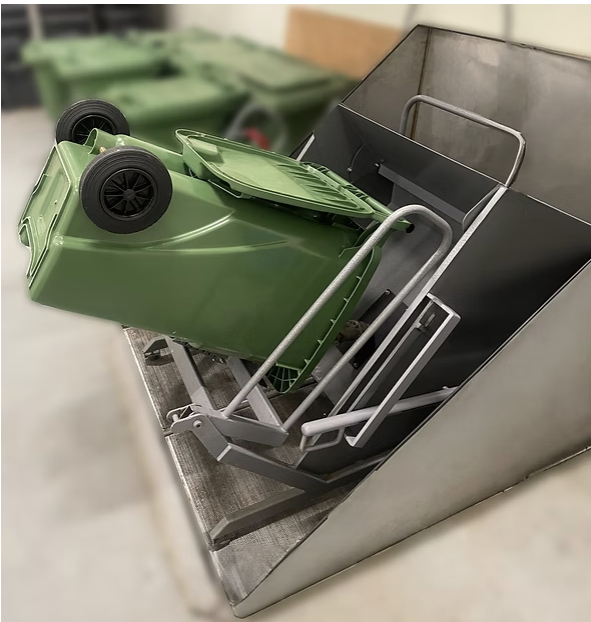
    VelociWash uses high-pressure cleaning power combined with a smart, ergonomic design to make tote washing fast, thorough, and easy for staff. Its heavy-duty pressure washer blasts away stuck-on grime, grease, and residue from both the inside and outside of the tote.

    Instead of staff having to awkwardly angle bins or scrub them out by hand, VelociWash’s built-in tote tipper automatically positions each bin for a complete clean. This reduces strain on staff and helps prevent back injuries and repetitive stress, two common issues in waste handling jobs.

    A berm water barrier and waste catcher keep dirty water and debris contained, keeping your floors clean and preventing contaminated runoff from spreading around your facility. The result is faster, more hygienic cleaning that’s easier on your team.

    Keeping Your Team Safer and Healthier

    For a lot of facilities, bin cleaning is a dreaded task left to whoever gets stuck with it. Employees end up dragging totes outside, hosing them down, and hoping for the best. All the while, they are exposed to dirty water, unpleasant odors, and contaminated surfaces.

    VelociWash changes that. By automating the process, it reduces direct contact with waste and eliminates heavy lifting. Employees stay cleaner, safer, and healthier. The cleaning process becomes something anyone can handle with minimal training.

    Saving Money and Simplifying Operations

    Beyond the hygiene and safety benefits, a tote washer also helps cut costs. Off-site cleaning services can be expensive, especially when you add up transportation fees, service charges, and the cost of downtime when you’re left without the totes.

    With VelociWash, you are in control of your cleaning schedule. Totes can be washed as often as needed, helping to control odors and prevent buildup without interrupting your regular waste routines. Plus, cleaner bins last longer, saving you money on replacements caused by corrosion or built-up grime.

    With stainless steel construction and compatibility with totes up to 96 gallons, VelociWash is built to handle the day-to-day demands of commercial waste management. It’s a practical investment that pays off with cleaner totes, safer staff, and reduced long-term costs.

    Take Control of Bin Cleaning with VelociWash

    A tote washer gives your facility an easier, smarter way to keep waste bins clean. Instead of treating dirty totes as an unavoidable hassle, you can make cleaning a simple, efficient process that protects your team and keeps your operation running smoothly.

    If you are ready to make waste bin cleaning easier, safer, and more reliable, VelociWash is ready to get to work.

  • How Bin Lifters Can Protect Your Workers and Improve Efficiency in Waste Collection

    How Bin Lifters Can Protect Your Workers and Improve Efficiency in Waste Collection

    Waste collection is hard work. It’s physically demanding and requires workers to repeatedly lift heavy bins, often in difficult conditions. As a result, injuries related to lifting and repetitive movements are a serious concern for many waste management companies. At Terraforma Systems, we believe worker safety should always come first, which is why we offer Simpro bin lifters – a solution that helps reduce physical strain, boost efficiency, and improve safety for your team.

    In this blog, we’ll talk about why bin lifters are so important and how they can make a difference for your waste collection operation.

    Why Worker Safety Should Be a Top Priority

    Anyone who’s worked in waste collection knows it’s tough. Constant bending, lifting, and carrying heavy loads can take a toll on the body. The risk of back injuries, muscle strains, and other musculoskeletal disorders is high, especially with the repetitive nature of the job. These types of injuries are not only painful for the workers but can also be costly for businesses in terms of medical bills, insurance, and lost productivity.

    Investing in equipment that helps minimize physical strain is an essential step toward preventing injuries and promoting a safer workplace.

    How Bin Lifters Make a Difference

    Simprobin lifters are designed to do the heavy lifting for your waste collection team. These machines make it easier to lift and empty bins, reducing the need for manual labor. Here’s how they can benefit your business:

    Reduced Risk of Injury

    Lifting heavy bins is hard on the body, especially when workers have to do it repeatedly. By using a bin lifter, you eliminate the need for manual lifting. This means less strain on workers’ backs, shoulders, and joints, which helps reduce the risk of injuries and long-term health issues.

    More Efficient Operations

    Time is money, and the more efficiently you can collect waste, the better. Bin lifters make the process faster by automating the lifting and emptying of bins. With these machines, workers can complete routes more quickly, reducing downtime and increasing productivity. This leads to smoother operations and quicker turnarounds.

    Improved Worker Morale

    When employees know their safety is a priority, it can have a positive impact on their job satisfaction. Bin lifters take away some of the physical toll that waste collection places on workers, which can reduce fatigue and stress. Happier, healthier employees are more likely to stay with the company, leading to lower turnover and better overall performance.

    Compliance with Safety Regulations

    Safety regulations around manual handling are strict, and for good reason. By using bin lifters, you can ensure your waste collection operations comply with the necessary safety standards. These machines help you avoid costly fines or penalties, while also protecting your workforce from potential harm.

    Why Choose Simpro Bin Lifters?

    At Terraforma Systems, we partner with Simpro because their bin lifters are built to last and designed for maximum efficiency. Here’s what sets them apart:

    Durability

    Simpro bin lifters are designed to handle tough, daily use, in any weather condition, and can withstand the challenges of the waste collection industry.

    Seamless Integration

    These lifters work with most existing waste collection vehicles, meaning they can be easily integrated into your current fleet without major disruptions.

    Custom Options

    Whether you need a solution for residential bins or large industrial containers, there is a range of lifters that can be tailored to fit your needs.

    Easy Operation

    Simprobin lifters come with user-friendly controls, making them easy for your team to operate with minimal training.

    By using Simprobin lifters, you’re not only protecting your workers but also improving the overall efficiency of your waste collection process.

    Safer, Smarter, and More Efficient Waste Collection

    At Terraforma Systems, we know that investing in your workforce and the right equipment pays off. Simprobin lifters help reduce injuries, boost productivity, and improve the overall safety of your waste collection operation. These machines make a real difference for both your workers and your bottom line, with innovative new features on the horizon.

    If you’re ready to improve safety and efficiency in your waste collection operations, reach out to us today. We’d be happy to help you find the perfect bin lifter solution for your needs.

    For more information, contact us.

  • Hosted Sorting Stations— A Key to Sustainable Waste Management

    Hosted Sorting Stations— A Key to Sustainable Waste Management

    Hosted sorting stations are emerging as an integral solution to improving waste management in high-traffic areas like food courts, and malls. These systems combine human oversight with innovative waste diversion techniques to minimize landfill contributions, reduce contamination in recycling, and align with environmental regulations.

    What Are Hosted Sorting Stations?

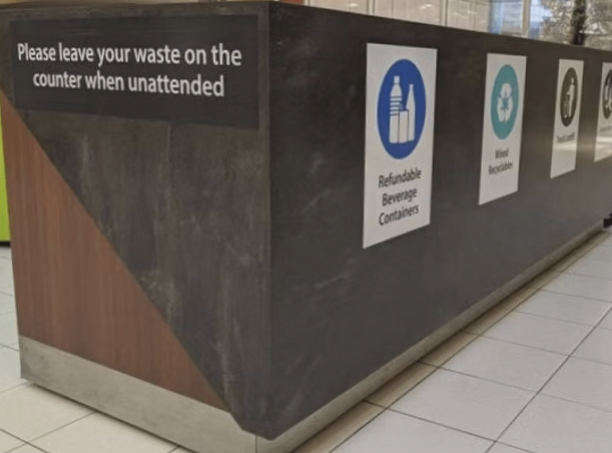
    Hosted sorting stations are designated areas where one can dispose of waste under guidance. Unlike traditional waste bins, these stations often include multiple clearly marked receptacles for organics, recyclables, and landfill waste. Staff members stationed there help ensure waste is sorted correctly, preventing common mistakes that contaminate recycling streams. Some systems are enhanced with signage or digital displays to educate users on proper disposal practices.

    Environmental and Operational Benefits

    Waste Diversion

    Hosted sorting stations significantly improve waste diversion rates by ensuring organics and recyclables are properly separated from non-recyclable waste. This not only reduces landfill waste but also supports broader on-site composting and recycling goals.

    Sustainability Goals

    With initiatives like Canada’s Zero Plastic Waste mandate by 2030 and regional organic waste bans, these stations help public spaces comply with environmental regulations. Facilities that implement these systems report reduced environmental footprints and improved waste management efficiency.

    Material Reuse

    Hosted sorting stations are often built with recycled or sustainable materials, such as high-density polyethylene (HDPE) plastics. This approach aligns the construction of sorting stations with their purpose—reducing waste throughout the entire lifecycle.

    Educational Opportunities

    Sorting stations serve a dual purpose as both waste management tools and educational platforms. By providing clear instructions and real-time assistance, these stations foster public awareness about sustainable practices. The presence of trained personnel can also encourage behavioral changes, transforming how people view waste disposal in public settings.

    Challenges and Opportunities

    Challenges

    Engagement

    Encouraging users to actively participate in waste sorting can be difficult, especially in fast-paced environments like food halls.

    Costs

    Staffing and maintaining these systems involve operational expenses that some facilities might find challenging to justify without external funding or subsidies.

    Opportunities

    Regulatory Compliance

    As governments tighten waste disposal regulations, hosted sorting stations are a proactive way for businesses to align with new requirements.

    Branding and Public Image

    Facilities that adopt these stations position themselves as sustainability leaders, which can attract eco-conscious customers and boost community efforts.

    Future Directions

    Looking forward, hosted sorting stations will continue to evolve as an effective way to reduce waste contamination and improve diversion rates. Incorporating solutions like the T-REX Composter enhances these efforts by processing organic waste on-site, turning it into valuable soil amendments and supporting sustainability goals.

    By combining practical solutions with education and innovation, hosted sorting stations represent a pivotal step in tackling the global waste crisis. Whether reducing contamination, supporting waste diversion, or meeting sustainability mandates, these stations are setting the stage for a greener future.

  • Managing the Holiday Waste Surge with Organic Waste and Packaging Challenges

    Managing the Holiday Waste Surge with Organic Waste and Packaging Challenges

    The holidays bring plenty of joy, celebration, and sharing, but they also lead to an overwhelming increase in waste. Whether it’s uneaten leftovers from festive meals or packaging from the season’s gift-giving, the holiday period generates significantly more organic and post-consumer waste compared to other times of the year. This spike creates challenges for waste management, particularly for businesses handling large volumes of food and customers.

    Increased Holiday Waste

    Organic waste often sees a dramatic rise during the holiday season, with estimates suggesting up to 30% more food waste. Over-purchasing, over-preparing, and poor meal planning are key contributors. Businesses in the hospitality sector face an even steeper increase due to banquets, catered events, and larger customer numbers, resulting in excess food that frequently ends up being discarded.

    Packaging waste adds another layer of complexity. Gift wrap, disposable containers, boxes, and plastic materials pile up, with many of these items being difficult or impossible to recycle. The seasonal peak in shopping and gift-giving exacerbates this issue, with waste from packaging increasing by roughly the same proportion as food waste.

    Environmental and Financial Impact

    Holiday waste doesn’t just disappear. Organic materials in landfills break down anaerobically, releasing methane, a greenhouse gas with a far greater impact than carbon dioxide. Mismanaged packaging waste often contaminates recycling systems, sending otherwise recoverable materials to landfills. Businesses are hit financially, too, with increased hauling and waste processing costs during the holiday rush.

    Role of On-Site Composting

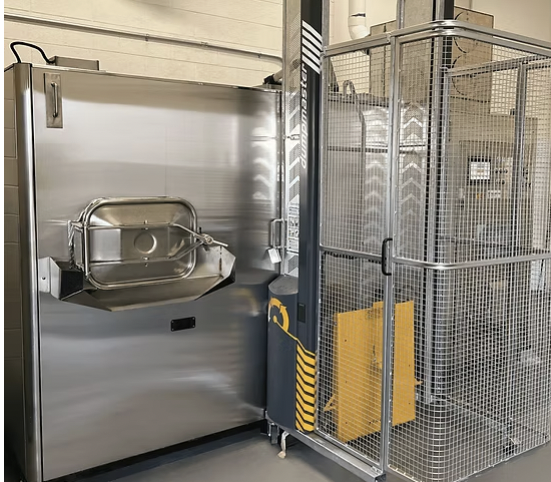
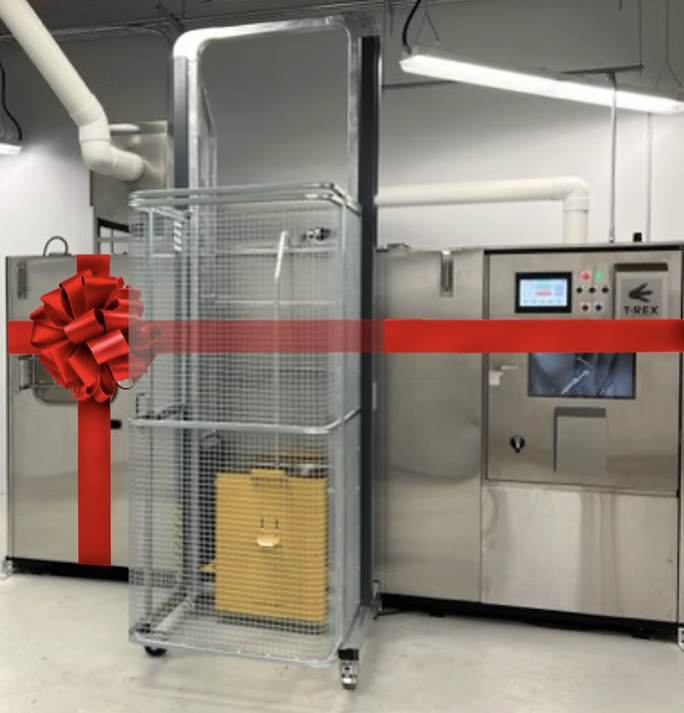
    On-site composting offers an effective solution to handle the surge in organic waste and post-consumer packaging. The T-REX Composter provides a practical and sustainable approach to managing food scraps directly at the source.

    The T-REX can process up to anywhere between 275 to 1370 kilograms of organic waste daily depending on the machine size, making it well-suited for busy environments such as restaurants, event spaces, and large residential complexes. By reducing the need for off-site transportation, businesses can save significantly on hauling costs while reducing their carbon footprint. The soil-amendment produced on-site can be repurposed for landscaping, donated to local gardens, or even sold, turning waste into a valuable resource.

    Addressing Packaging Waste

    While on-site composting is a game changer for organic materials, holiday packaging waste remains a challenge. Businesses and individuals can take steps to reduce their impact by switching to compostable post-consumer packaging, encouraging proper sorting, and minimizing the use of single-use materials in favor of recyclable, reusable, or compostable alternatives. These small changes add up, lightening the load on waste systems and reducing the overall environmental impact. Additionally, compostable post-consumer packaging is processable through the T-REX Composter and can be added to the machine along with organic waste.

    A Sustainable Holiday Season

    The surge in waste during the holidays is a predictable challenge, but it doesn’t have to remain an inevitable problem. While adopting on-site composting with the T-REX Composter won’t solve this year’s holiday waste, planning now ensures businesses will be ready to handle next season’s challenges with a sustainable, efficient solution.

    The T-REX Composter is built to order, a process that takes time to ensure it meets the specific needs of high-volume environments. By acting early, businesses can position themselves to take control of their organic waste in time for the next holiday season, reducing costs, cutting emissions, and transforming what was once trash into a valuable resource.

    Taking steps today to prepare for future holidays allows businesses to align their operations with long-term sustainability goals. Managing holiday waste effectively isn’t just good for the environment—it’s an investment in a cleaner, more efficient future for both the planet and the business.

  • Taking Control of Your Organic Waste Process— Why Relying Solely on External Contractors May Be Holding You Back

    Taking Control of Your Organic Waste Process— Why Relying Solely on External Contractors May Be Holding You Back

    Meeting sustainability goals is a growing priority for businesses, andwaste management is a crucial part of that effort. However, relying only on external contractors to handle organic waste processes can present challenges that make it difficult to meet these targets. From inconsistent service to regional limitations, outsourcing waste management often means losing the control necessary to drive measurable change. Here’s why managing your organic waste process internally might be the solution.

    The Limitations of Relying on External Contractors

    External contractors often have set processes and timelines that don’t always align with your sustainability goals. While they can help with waste removal, many businesses find that these services aren’t tailored to their specific needs, especially when it comes to reducing emissions or reaching diversion targets. Service providers may focus more on logistics than on achieving the kind of deep environmental impact that companies desire.

    Moreover, depending on where your business is located, you might face regional limitations regarding recycling or composting services. In some areas, external contractors may not offer the services you need, or those services might not be consistent. This makes it challenging to track and report on sustainability progress with accuracy.​

    Why Taking Control of Your Organic Waste Process Matters

    To meet sustainability targets, companies need a more reliable, transparent way to manage their waste. Implementing internal waste solutions, like on-site composting or waste tracking systems, allows businesses to gain full control over their processes. This not only ensures that sustainability goals are met, but also gives companies the ability to monitor and adjust their practices as needed.

    For example, having an on-site composting system like the T-REX Composter can drastically reduce the reliance on external hauling services,cutting transportation costs and lowering emissions. It also helps companies more accurately track their waste diversion efforts, providing the data needed to demonstrate real progress toward sustainability goals.​

    Benefits of Internal Waste Management Solutions

    Taking control of your organic waste process internally comes with several key benefits. For one, it allows you to customize your approach. Whether it’s waste diversion, or carbon reduction you can ensure that your strategy aligns with your specific sustainability targets.

    Internal waste management solutions also make it easier to integrate technology that can help streamline operations. Real-time data tracking and automated reporting ensure that your company stays on top of waste reduction goals and can adjust strategies quickly if needed. This data-driven approach also gives businesses the insight they need to optimize their waste practices, improve efficiency, and make smarter decisions.

    Achieving SustainabilityGoals with Internal Control

    By managing waste internally, businesses are able to meet sustainability goals more effectively. It’s easier to adjust your organic waste process to meet changing needs and to address gaps in service when you have direct control. The transparency and data provided by internal solutions ensure that progress can be tracked and adjusted, giving companies the confidence that they’re on the right path.

    More importantly, taking control of your organic waste process fosters a culture of sustainability within the company. Employees are more likely to engage with and support sustainability initiatives when they see the direct impact of their actions on the business’s environmental footprint.

    Internal Solutions Drive Consistent Results

    While relying on external contractors may seem convenient, it often leads to inconsistencies and gaps in meeting sustainability targets. By taking control of your organic waste process internally, you can ensure your strategies align with your sustainability goals. Internal solutions, such as on-site composting and waste tracking technologies, offer greater flexibility, efficiency, and accountability—helping your business make tangible progress toward a greener future.

    Investing in internal waste management solutions isn’t just about reducing dependence on external contractors; it’s about creating a sustainable, efficient, and data-driven process that drives real results. The benefits are clear: greater control, better cost management, and a more resilient approach to meeting your environmental goals.