
Investing in composting infrastructure is one of the most effective ways for businesses, municipalities, and institutions to reduce organic waste, minimize hauling costs, and improve environmental performance. However, the cost of purchasing and installing an industrial or community-scale composter can be a challenge.
Across Canada, multiple government programs and funding opportunities exist to help offset these costs. From federal initiatives to provincial and municipal funding, these grants support organizations that want to implement sustainable waste management solutions.
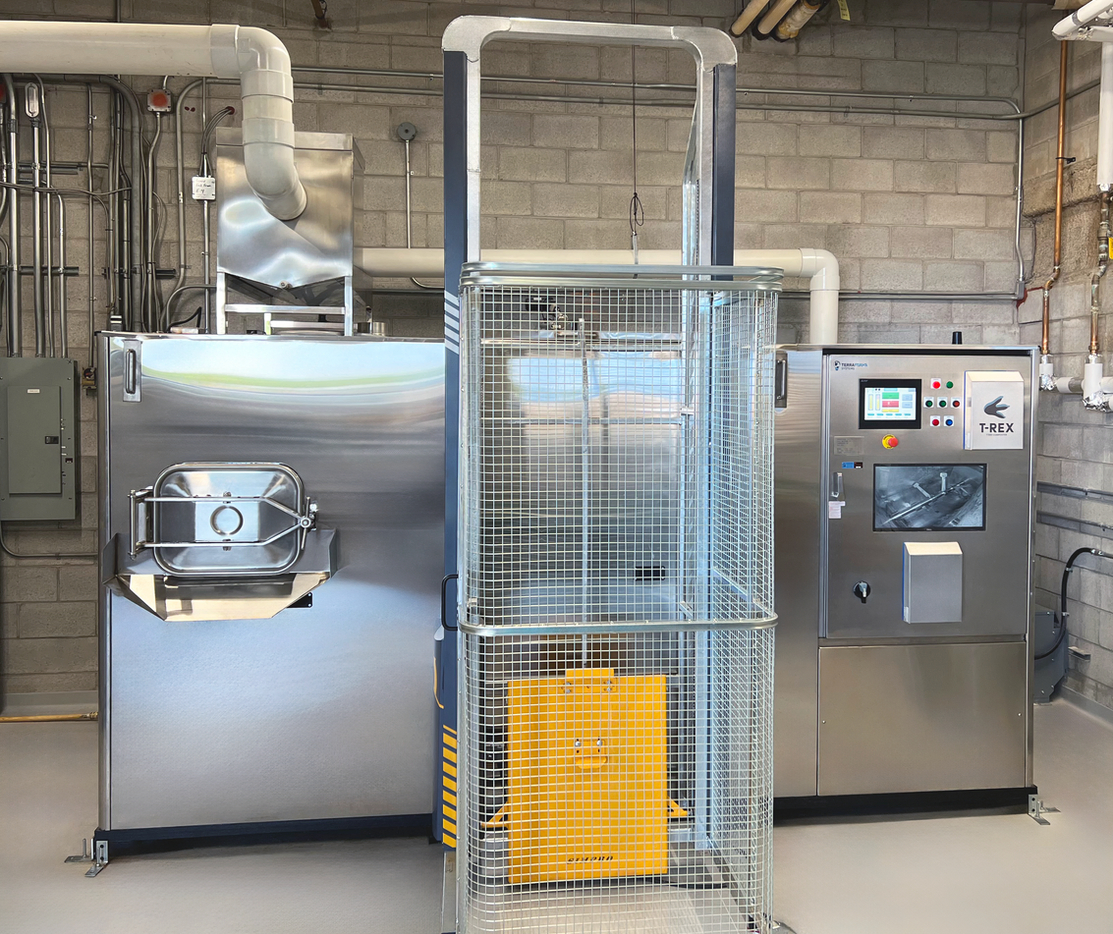
This guide provides a detailed overview of the available composting and waste diversion grants in Canada and how they can help fund the purchase and installation of composting systems such as the T-REX Composter by Terraforma Systems.
Why Composting Grants Matter
Government funding programs are designed to encourage waste diversion and greenhouse gas reduction by supporting composting infrastructure. Grants help organizations:
- Reduce landfill waste and emissions
- Improve soil health through composting and nutrient recovery
- Meet Zero Waste and ESG reporting goals
- Lower hauling and disposal costs through on-site composting
- Invest in sustainable waste management solutions that create long-term value
Whether you manage a resort, zoo, university, corporate campus, or municipality, composting grants can make implementing on-site composting more financially accessible.
Federal Composting Grants and Funding Programs
1. Food Waste Prevention and Diversion: Research and Capacity Building Fund (Environment and Climate Change Canada)
This federal program supports research, pilot projects, and capacity-building initiatives that reduce food waste and divert organic materials from landfills. While it does not typically fund large-scale equipment purchases, it can support pilot installations, data collection, and training programs related to composting.
Eligible applicants: Local governments, Indigenous organizations, and nonprofit entities
Funding coverage: Up to $150,000 per project
Best for: Pilot composting projects, research-based organics programs, and community demonstration systems
2. Local Food Infrastructure Fund (Agriculture and Agri-Food Canada)
The Local Food Infrastructure Fund (LFIF) supports community organizations, farms, and nonprofits working to improve food security. Composting equipment and installations that support food waste reduction or soil regeneration are eligible expenses.
Eligible applicants: Nonprofits, Indigenous groups, community organizations, and farms
Funding coverage: Up to $500,000 depending on stream and project scale
Best for: Community composting projects and farm-based composting systems
3. Green Municipal Fund (Federation of Canadian Municipalities)
The Green Municipal Fund (GMF) helps municipalities invest in sustainable infrastructure, including waste diversion and organics management systems. Composting facility construction or on-site processing systems can qualify under its “Circular Economy” and “Waste” categories.
Eligible applicants: Municipalities and partners
Funding coverage: Grants and low-interest loans covering planning, pilot, or capital projects
Best for: Municipal composting facilities, regional organics management projects
Provincial Composting Grants and Support Programs
British Columbia
CleanBC Organics Funding Program (OFP)
This program supports new composting infrastructure, organics collection systems, and processing technologies that reduce greenhouse gas emissions. It is the successor to the CleanBC Organics Infrastructure and Collection Program (OICP).
Eligible applicants: Local governments, Indigenous communities, and non-profit organizations
Funding coverage: Up to 66% of eligible project costs
Best for: Large-scale composting installations and municipal partnerships
Status: Currently under review for its next intake period
Manitoba
Manitoba Composts Support Payments
This program provides per-tonne payments to licensed composting facilities based on the amount of organic material processed each year. It supports operational sustainability rather than capital purchases.
Eligible applicants: Licensed composting facilities
Funding coverage: Per-tonne incentive payments for organic material diverted from landfill
Best for: Existing composting operations and long-term facility management
Québec
Recyc-Québec Funding and Prime-Vert Program
Québec offers multiple funding programs that support composting infrastructure, soil improvement, and organic waste management. Recyc-Québec administers municipal and industrial waste diversion funding, while Prime-Vert supports agricultural and environmental initiatives.
Eligible applicants: Municipalities, farms, and environmental organizations
Funding coverage:
- Recyc-Québec: $75,000 to $500,000 per project, covers up to 70% of eligible expenses
- Prime-Vert:Covers up to 70% of eligible costs, with a maximum of $10,000 per project
Best for: Municipal composting, agricultural compost systems, and regional waste diversion projects
Alberta
Resilient Agricultural Landscapes Program (RALP)
Part of the Sustainable Canadian Agricultural Partnership, this program supports projects that improve soil health and ecosystem resilience. Composting systems that produce soil amendments for agricultural use may qualify.
Eligible applicants: Farmers and agricultural producers
Funding coverage: Cost-share basis for approved projects
Best for: Agricultural composting systems and soil improvement initiatives
Other Provinces (Ontario, Nova Scotia, Saskatchewan, New Brunswick, PEI)
These provinces often offer funding through municipal waste diversion programs, environmental innovation grants, or green infrastructure funding. Local and regional districts also provide smaller grants for composting, recycling, or sustainability education.
Municipal and Regional Composting Grants
Many municipalities across Canada offer localized funding or rebates for composting systems. Examples include:
- Community environmental grants for composting education or equipment purchases
- Waste diversion pilot programs supporting institutions and commercial facilities
- Green business grants for sustainable operations
- Rebates for on-site composting systems to reduce hauling and landfill costs
To find active local funding, check your city or regional district’s environmental or waste management grant listings.
Nonprofit and Foundation Funding
Several foundations and corporate programs provide smaller grants for community composting, outreach, and waste reduction:
- TD Friends of the Environment Foundation (TD FEF)
Supports local composting initiatives, educational programs, and green infrastructure. - EcoAction Community Funding Program (ECCC)
Funds community-based environmental projects focused on waste reduction and sustainability. - Community Foundations and Green Business Funds
Many regional foundations provide microgrants for sustainability and waste diversion projects.
Tips for Applying for Composting Grants
- Define your goals clearly
Identify how composting will reduce landfill waste, improve sustainability metrics, or contribute to food waste reduction. - Quantify your impact
Estimate organic waste diverted, greenhouse gas emissions reduced, and compost produced. - Demonstrate collaboration
Partner with local governments, schools, or nonprofits to strengthen your application. - Include technology and monitoring
Highlight digital tracking or automation (for example, the Terraforma Systems IQ platform) to show measurable impact. - Prepare supporting documents
Include a clear project budget, quotes for equipment and installation, and any letters of support or data tracking plans.
Key Takeaway
Government funding can make composting implementation far more attainable. Whether through federal programs like the Local Food Infrastructure Fund, provincial initiatives like CleanBC, or municipal community grants, there are opportunities across Canada to support composting equipment and infrastructure.
By integrating technology-driven composting systems such as the T-REX Composter, organizations can access funding while achieving measurable progress toward Zero Waste goals and sustainability commitments.
Funding programs and intake periods are subject to change. Some initiatives listed above may be temporarily paused. Always verify current eligibility and availability before applying.
Interested in implementing an on-site composting solution?
Contact us to learn more about the T-REX Composter today!