

Tag: carbon emission

  • Drive Environmental Change: Reduce Your Carbon Footprint with On-Site Composting Solutions

    Drive Environmental Change: Reduce Your Carbon Footprint with On-Site Composting Solutions

    In the journey toward a sustainable future, businesses are increasingly taking steps to minimize their environmental impact. One powerful way to contribute to global carbon dioxide emission reduction goals is by implementing on-site composting solutions. This approach not only diverts waste from landfills but also helps reduce greenhouse gas emissions, ultimately supporting a healthier planet.

    Reducing Carbon Emissions with On-Site Composting

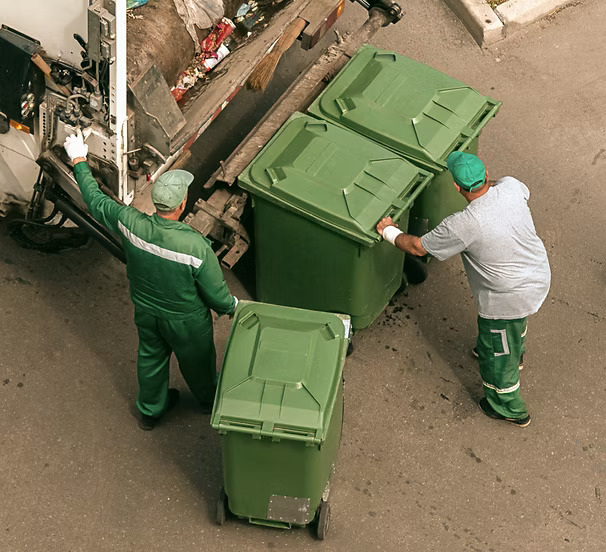
    One of the primary environmental benefits of on-site composting lies in its ability to significantly reduce carbon emissions. Traditional waste management methods often involve transporting organic waste to off-site facilities, which requires fuel-intensive hauling. This process contributes to carbon dioxide (CO2) emissions, adding to a company’s overall carbon footprint. By processing organic waste on-site, businesses significantly reduce the need for transportation, leading to immediate carbon emission mitigation.

    Additionally, organic waste decomposing in landfills generates methane (CH4), a potent greenhouse gas with over 25 times the warming potential of CO2. Methane emissions from landfills contribute substantially to climate change. On-site composting reduces the need to send waste to landfills, thereby cutting down on methane emissions. Through composting, organic waste is converted into soil amendment instead of releasing harmful gases, supporting the environment on a broader scale.

    Supporting Soil Health and Ecosystems

    The by-product of on-site composting is nutrient-rich soil amendment, which offers additional environmental advantages. By returning this organic matter to the soil, companies enhance local ecosystems. Healthier soil contributes to carbon sequestration by improving plant growth and supporting biodiverse environments, which further absorbs CO2 from the atmosphere.

    For organizations with green spaces or agricultural interests, this soil amendment can be used to enrich soil quality, promoting a closed-loop circular economy system that supports the environment.

    Enhancing Air Quality and the Local Environment

    Another advantage of on-site composting is improved air quality. Organic waste in landfills can emit unpleasant odors and contribute to local air pollution. On-site composting uses controlled decomposition processes that minimize these emissions, creating a cleaner and more pleasant environment around the company’s facilities. This improvement in air quality benefits employees, local communities, and contributes to broader environmental sustainability goals.

    Steps Toward Implementation for Maximum Environmental Impact

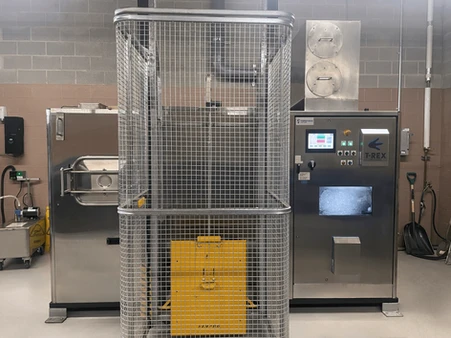
    While the environmental benefits are clear, implementing on-site composting effectively requires careful planning. Conducting a waste audit helps businesses understand the volume of organic waste generated, ensuring they select the right composting system for their specific needs. Working with on-site composting technology providers, like Terraforma Systems and the T-REX Series Composters, enables companies to adopt tailored solutions that maximize environmental impact.

    A Commitment to Sustainability and Reduced Carbon Footprint

    By embracing on-site composting, companies can align their waste management practices with sustainability goals and actively reduce their carbon footprint. This shift represents more than just a waste management solution—it’s a tangible step toward combating climate change. As more organizations recognize the environmental value of on-site composting, the cumulative effect can lead to a more sustainable and carbon-conscious future.
  • Mapleview Shopping Centre Turns Sustainability Goals into Real Savings with On-Site Composting

    Mapleview Shopping Centre Turns Sustainability Goals into Real Savings with On-Site Composting

    At Mapleview Shopping Centre, sustainability is more than just a buzzword—it’s a mission that drives real change. Faced with the challenge of high organic waste hauling costs, and ambitious sustainability goal of achieving 80% waste diversion and achieving Net Zero Carbon by 2040, they needed to find a way to meet their environmental goals while keeping their operations efficient. The solution came with the introduction of on-site composting, which not only aligned with their sustainability vision but also resulted in significant cost savings.

    Sustainability That Pays Off

    Traditional methods of hauling organic waste long distances were expensive and counterproductive to their emissions reduction goals. By processing organic waste on-site with the T-REX Composter, Mapleview reduced transportation needs, cut emissions, and made substantial progress toward their waste diversion targets.

    Within the first few months of the T-REX’s operation, Mapleview Shopping Centre reduced their organics hauling frequency from twice a week to once every two weeks, cutting organics hauling costs by 75%. They are on track to achieve substantial savings within their first year of operation.

    The integration of the T-REX Composter has proven to be a game-changer in their sustainability efforts. It’s an example of how smart solutions can turn environmental responsibility into operational efficiency, and how investing in green technology can yield both environmental and financial returns.

    Shifting Mindsets Across the Centre

    The impact of the on-site composting program goes beyond just logistics. Positioned in a visible, high-traffic area within the building, the T-REX Composter has sparked a shift in how tenants and staff approach waste management. Having the system in a central location fosters engagement and responsibility among tenants, helping to ensure proper waste sorting.

    Small but impactful changes, like adding magnets to bins to catch stray cutlery, helped reduce contamination levels, which have dropped significantly. This improvement has ensured that the compost produced is of the highest quality, reinforcing Mapleview’s commitment to sustainability and operational excellence.

    Building a Circular Future

    Mapleview is not stopping here. Looking ahead, they plan to introduce Hosted Sorting Stations for food court waste, further increasing their diversion rates and reducing the amount of waste sent to landfills. These stations will be managed by staff to ensure all consumer waste is correctly sorted into appropriate categories, significantly reducing contamination and capturing food waste that would have otherwise ended up in the garbage. 

    They are also exploring partnerships with local gardens to distribute the high-quality compost, keeping the benefits within the community and reducing external hauling even further. These efforts align with their broader vision of creating a circular economy—where waste is transformed into a resource and sustainability becomes a natural part of business operations. 

    What’s Next for  Mapleview?

    Mapleview’s success story illustrates how sustainability can drive long-term value. By turning organic waste into a resource and cutting operational costs, they’ve positioned themselves as leaders in both environmental responsibility and business efficiency. They’ve proven that by making sustainable changes today, businesses can create lasting benefits for both the planet and their bottom line.

    Curious about how they did it? Download the full success story to dive deeper into how Mapleview achieved their sustainability goals and saved costs through on-site composting.

    Would On-Site Composting Work for Your Property?

    Take a quick quiz to see if an on-site composting solution could benefit your property:

    1. Does your property experience high hauling costs for organic waste?
    2. Are you aiming to reach specific sustainability or waste diversion targets?
    3. Would reducing the frequency of waste hauling trips improve your operations?
    4. Are you facing contamination issues with your current waste sorting methods?
    5. Do you want to increase tenant engagement in sustainability efforts?

    If you answered ‘Yes’ to any of these questions, on-site composting could be a smart, sustainable solution for your property.

  • Taking Control of Your Organic Waste Process— Why Relying Solely on External Contractors May Be Holding You Back

    Taking Control of Your Organic Waste Process— Why Relying Solely on External Contractors May Be Holding You Back

    Meeting sustainability goals is a growing priority for businesses, andwaste management is a crucial part of that effort. However, relying only on external contractors to handle organic waste processes can present challenges that make it difficult to meet these targets. From inconsistent service to regional limitations, outsourcing waste management often means losing the control necessary to drive measurable change. Here’s why managing your organic waste process internally might be the solution.

    The Limitations of Relying on External Contractors

    External contractors often have set processes and timelines that don’t always align with your sustainability goals. While they can help with waste removal, many businesses find that these services aren’t tailored to their specific needs, especially when it comes to reducing emissions or reaching diversion targets. Service providers may focus more on logistics than on achieving the kind of deep environmental impact that companies desire.

    Moreover, depending on where your business is located, you might face regional limitations regarding recycling or composting services. In some areas, external contractors may not offer the services you need, or those services might not be consistent. This makes it challenging to track and report on sustainability progress with accuracy.​

    Why Taking Control of Your Organic Waste Process Matters

    To meet sustainability targets, companies need a more reliable, transparent way to manage their waste. Implementing internal waste solutions, like on-site composting or waste tracking systems, allows businesses to gain full control over their processes. This not only ensures that sustainability goals are met, but also gives companies the ability to monitor and adjust their practices as needed.

    For example, having an on-site composting system like the T-REX Composter can drastically reduce the reliance on external hauling services,cutting transportation costs and lowering emissions. It also helps companies more accurately track their waste diversion efforts, providing the data needed to demonstrate real progress toward sustainability goals.​

    Benefits of Internal Waste Management Solutions

    Taking control of your organic waste process internally comes with several key benefits. For one, it allows you to customize your approach. Whether it’s waste diversion, or carbon reduction you can ensure that your strategy aligns with your specific sustainability targets.

    Internal waste management solutions also make it easier to integrate technology that can help streamline operations. Real-time data tracking and automated reporting ensure that your company stays on top of waste reduction goals and can adjust strategies quickly if needed. This data-driven approach also gives businesses the insight they need to optimize their waste practices, improve efficiency, and make smarter decisions.

    Achieving SustainabilityGoals with Internal Control

    By managing waste internally, businesses are able to meet sustainability goals more effectively. It’s easier to adjust your organic waste process to meet changing needs and to address gaps in service when you have direct control. The transparency and data provided by internal solutions ensure that progress can be tracked and adjusted, giving companies the confidence that they’re on the right path.

    More importantly, taking control of your organic waste process fosters a culture of sustainability within the company. Employees are more likely to engage with and support sustainability initiatives when they see the direct impact of their actions on the business’s environmental footprint.

    Internal Solutions Drive Consistent Results

    While relying on external contractors may seem convenient, it often leads to inconsistencies and gaps in meeting sustainability targets. By taking control of your organic waste process internally, you can ensure your strategies align with your sustainability goals. Internal solutions, such as on-site composting and waste tracking technologies, offer greater flexibility, efficiency, and accountability—helping your business make tangible progress toward a greener future.

    Investing in internal waste management solutions isn’t just about reducing dependence on external contractors; it’s about creating a sustainable, efficient, and data-driven process that drives real results. The benefits are clear: greater control, better cost management, and a more resilient approach to meeting your environmental goals.