
Tag: cleaning

  • A Smarter, Safer Way to Clean Totes

    A Smarter, Safer Way to Clean Totes

    Managing waste is already tough enough for commercial facilities, but keeping the bins themselves clean is a job that often gets overlooked until it turns into a real problem. Whether you’re dealing with food scraps, organics, or general waste, dirty totes quickly become a source of bacteria, bad odors, and safety risks for your team.

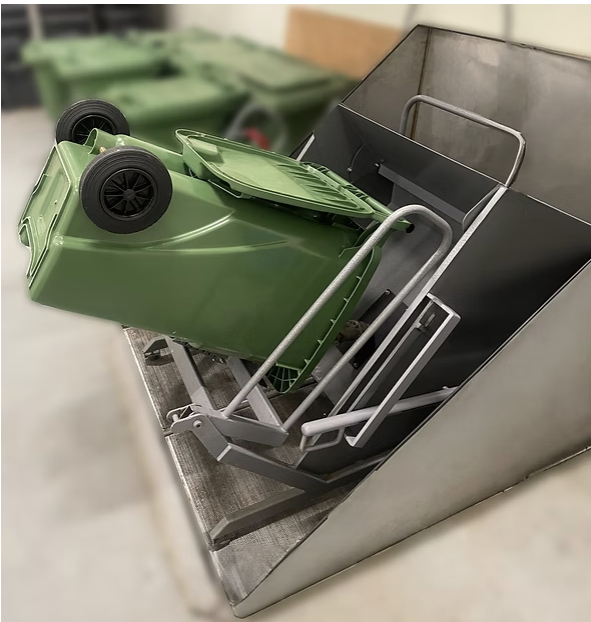
    VelociWash is a new tote cleaning system designed to tackle this issue right at the source. Instead of manual scrubbing or costly off-site services, a tote washer lets you sanitize totes on-site, faster and more thoroughly than traditional cleaning methods. It also protects your staff from unnecessary strain and exposure.

    Why Clean Totes Regularly

    In places like restaurants, hotels, and multi-resident buildings, waste bins get messy fast. They collect everything from rotting food and grease to spilled liquids and bacteria. When totes aren’t cleaned regularly and properly, they become breeding grounds for harmful pathogens like Salmonella and E. coli.

    This isn’t just a cleanliness issue. It’s a health and safety risk for anyone who handles those totes. On top of that, dirty bins attract pests, create odor complaints, and leave a bad impression on staff, guests, and customers.

    Traditional cleaning methods don’t always cut it. A quick rinse with a hose leaves behind residue and bacteria, and sending totes off-site for cleaning adds unnecessary costs, delays, and logistics headaches. A tote washer gives you a better way with thorough cleaning right where you need it, whenever you need it.

    How VelociWash Works

    VelociWash uses high-pressure cleaning power combined with a smart, ergonomic design to make tote washing fast, thorough, and easy for staff. Its heavy-duty pressure washer blasts away stuck-on grime, grease, and residue from both the inside and outside of the tote.

    Instead of staff having to awkwardly angle bins or scrub them out by hand, VelociWash’s built-in tote tipper automatically positions each bin for a complete clean. This reduces strain on staff and helps prevent back injuries and repetitive stress, two common issues in waste handling jobs.

    A berm water barrier and waste catcher keep dirty water and debris contained, keeping your floors clean and preventing contaminated runoff from spreading around your facility. The result is faster, more hygienic cleaning that’s easier on your team.

    Keeping Your Team Safer and Healthier

    For a lot of facilities, bin cleaning is a dreaded task left to whoever gets stuck with it. Employees end up dragging totes outside, hosing them down, and hoping for the best. All the while, they are exposed to dirty water, unpleasant odors, and contaminated surfaces.

    VelociWash changes that. By automating the process, it reduces direct contact with waste and eliminates heavy lifting. Employees stay cleaner, safer, and healthier. The cleaning process becomes something anyone can handle with minimal training.

    Saving Money and Simplifying Operations

    Beyond the hygiene and safety benefits, a tote washer also helps cut costs. Off-site cleaning services can be expensive, especially when you add up transportation fees, service charges, and the cost of downtime when you’re left without the totes.

    With VelociWash, you are in control of your cleaning schedule. Totes can be washed as often as needed, helping to control odors and prevent buildup without interrupting your regular waste routines. Plus, cleaner bins last longer, saving you money on replacements caused by corrosion or built-up grime.

    With stainless steel construction and compatibility with totes up to 96 gallons, VelociWash is built to handle the day-to-day demands of commercial waste management. It’s a practical investment that pays off with cleaner totes, safer staff, and reduced long-term costs.

    Take Control of Bin Cleaning with VelociWash

    A tote washer gives your facility an easier, smarter way to keep waste bins clean. Instead of treating dirty totes as an unavoidable hassle, you can make cleaning a simple, efficient process that protects your team and keeps your operation running smoothly.

    If you are ready to make waste bin cleaning easier, safer, and more reliable, VelociWash is ready to get to work.
  • Hosted Sorting Stations— A Key to Sustainable Waste Management

    Hosted Sorting Stations— A Key to Sustainable Waste Management

    Hosted sorting stations are emerging as an integral solution to improving waste management in high-traffic areas like food courts, and malls. These systems combine human oversight with innovative waste diversion techniques to minimize landfill contributions, reduce contamination in recycling, and align with environmental regulations.

    What Are Hosted Sorting Stations?

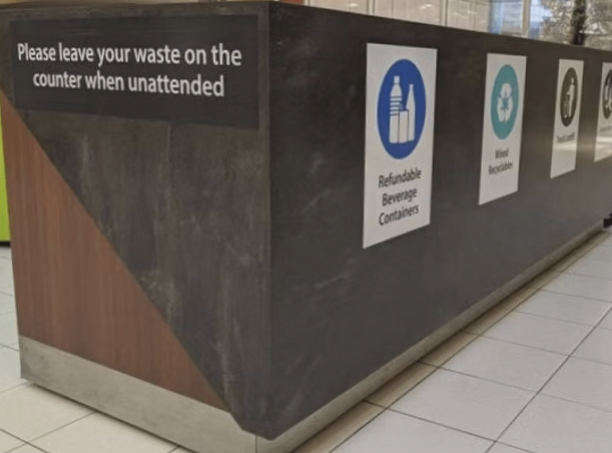
    Hosted sorting stations are designated areas where one can dispose of waste under guidance. Unlike traditional waste bins, these stations often include multiple clearly marked receptacles for organics, recyclables, and landfill waste. Staff members stationed there help ensure waste is sorted correctly, preventing common mistakes that contaminate recycling streams. Some systems are enhanced with signage or digital displays to educate users on proper disposal practices.

    Environmental and Operational Benefits

    Waste Diversion

    Hosted sorting stations significantly improve waste diversion rates by ensuring organics and recyclables are properly separated from non-recyclable waste. This not only reduces landfill waste but also supports broader on-site composting and recycling goals.

    Sustainability Goals

    With initiatives like Canada’s Zero Plastic Waste mandate by 2030 and regional organic waste bans, these stations help public spaces comply with environmental regulations. Facilities that implement these systems report reduced environmental footprints and improved waste management efficiency.

    Material Reuse

    Hosted sorting stations are often built with recycled or sustainable materials, such as high-density polyethylene (HDPE) plastics. This approach aligns the construction of sorting stations with their purpose—reducing waste throughout the entire lifecycle.

    Educational Opportunities

    Sorting stations serve a dual purpose as both waste management tools and educational platforms. By providing clear instructions and real-time assistance, these stations foster public awareness about sustainable practices. The presence of trained personnel can also encourage behavioral changes, transforming how people view waste disposal in public settings.

    Challenges and Opportunities

    Challenges

    Engagement

    Encouraging users to actively participate in waste sorting can be difficult, especially in fast-paced environments like food halls.

    Costs

    Staffing and maintaining these systems involve operational expenses that some facilities might find challenging to justify without external funding or subsidies.

    Opportunities

    Regulatory Compliance

    As governments tighten waste disposal regulations, hosted sorting stations are a proactive way for businesses to align with new requirements.

    Branding and Public Image

    Facilities that adopt these stations position themselves as sustainability leaders, which can attract eco-conscious customers and boost community efforts.

    Future Directions

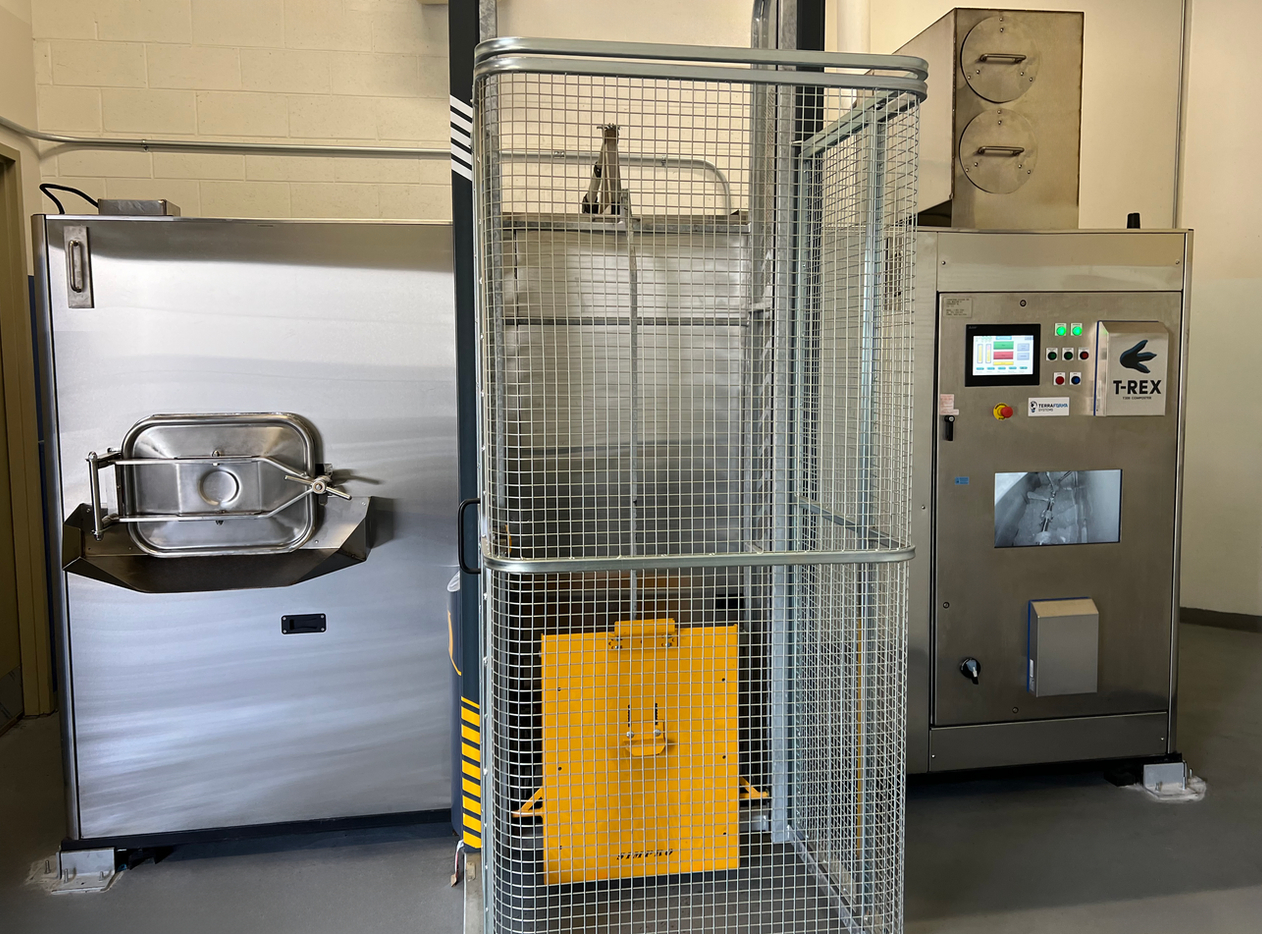
    Looking forward, hosted sorting stations will continue to evolve as an effective way to reduce waste contamination and improve diversion rates. Incorporating solutions like the T-REX Composter enhances these efforts by processing organic waste on-site, turning it into valuable soil amendments and supporting sustainability goals.

    By combining practical solutions with education and innovation, hosted sorting stations represent a pivotal step in tackling the global waste crisis. Whether reducing contamination, supporting waste diversion, or meeting sustainability mandates, these stations are setting the stage for a greener future.

  • Comprehensive Maintenance Plan for Your T-REX Composter

    Comprehensive Maintenance Plan for Your T-REX Composter

    Maintaining your T-REX Series Composter is essential for ensuring its optimal performance. This comprehensive guide provides you with the necessary care and maintenance tasks, helping you keep your machine running smoothly and efficiently.

    General T-REX Composter Maintenance Guidelines

    Certified Technicians: All repair and service work on your T-REX Series Composters must be carried out by a certified Terraforma Systems technician. If you require any repairs or service, please contact Terraforma Systems to arrange for professional assistance.

    Lockout Procedures: Always follow proper lockout procedures before performing any servicing or maintenance tasks that require lockout. This step is crucial for ensuring your safety while working on the machine.

    Cleaning and Maintenance Tasks

    To maintain your composter in its best condition, follow the cleaning and maintenance schedule. Each component of the machine requires specific attention at designated intervals to ensure effective operation.

    Daily Tasks

    • Input Filter: Clear debris from the input filter daily to maintain effective air intake. This ensures the machine runs efficiently and prevents blockages.
    • Output Filter: Similarly, remove debris from the output filter daily to ensure proper air outflow, allowing for uninterrupted airflow.
    • Cleaning: Sweep the floors surrounding the machine every day to avoid debris build-up, creating a clean and safe workspace.

    Weekly Tasks

    • Camera: Use a microfiber cloth to clean the camera lens weekly. Clear visibility ensures accurate monitoring of the composting process.
    • Exterior Cleaning: Wipe down the machine’s exterior weekly using a slightly damp cloth to remove dust and grime. Clean the top door and surrounding areas to prevent debris build-up.
    • Totes: Regularly clean the designated organics totes to prevent odor build-up. Weekly cleaning is recommended for hygienic conditions, especially in environments handling food waste.

    Cleaning Best Practices

    Safety

    • Power Down: Before any cleaning, power off and lock out the machine to prevent accidental activation.
    • Avoid Water: Never spray water or other liquids directly onto the composter. Excess moisture can damage the machine’s components.
    • Proper Access: Always use a step ladder to reach high or hard-to-access areas. Never climb on top of the composter, and avoid inserting any limbs or objects into the machine.

    Safe Cleaning Solutions

    • Diluted Vinegar: Use diluted vinegar solutions to clean the exterior stainless steel parts of the machine.
    • Hydrogen Peroxide: For disinfecting internal components, hydrogen peroxide is the recommended solution.
    • Avoid Harsh Chemicals: Do not use acids, sodium, chlorine, or abrasive materials like scouring powders or steel wool on any stainless steel surfaces.

    Cleaning Supplies

    • Step Ladder: Ensure you have a step ladder to access hard-to-reach areas.
    • Microfiber Cloths: Use these to clean the camera lens.
    • Wire Brush: Essential for removing debris from filters.
    • Cleaning Products: Only use approved cleaning solutions compatible with the machine’s materials.
    • Broom and Dustpan: Keep the surrounding area clean by sweeping up any debris daily.

    Quarterly & Annual Maintenance Servicing

    All quarterly and annual maintenance must be conducted by a certified Terraforma Systems technician. Key tasks include checking electrical and mechanical systems, inspecting filters and ventilation, and ensuring all components are in good working condition. Preventative maintenance services are available at an additional cost. Contact your Terraforma Systems agent for more details.

    By adhering to this maintenance plan, you will help ensure the longevity and optimal performance of your T-REX Series Composter, contributing to efficient waste management and sustainability.