Tag: composter

  • Implementation of Our Highest-Capacity On-Site Composter

    Implementation of Our Highest-Capacity On-Site Composter

    Every breakthrough starts small. In this case, it began with a simple idea, and a series of smaller machines that consistently outperformed expectations. Those early successes raised an important question. Why not go bigger, bolder, and better?

    That question led to the next evolution of on-site composting technology. On-site composters have already proven their value by efficiently processing organic waste streams, compostable materials, and biodegradable packaging, while reducing waste volume by up to 80 percent in less than 24 hours. Until recently, the largest systems commissioned were capable of processing up to 500 tonnes annually. That milestone has now been surpassed, opening the door to a new scale of organics management.

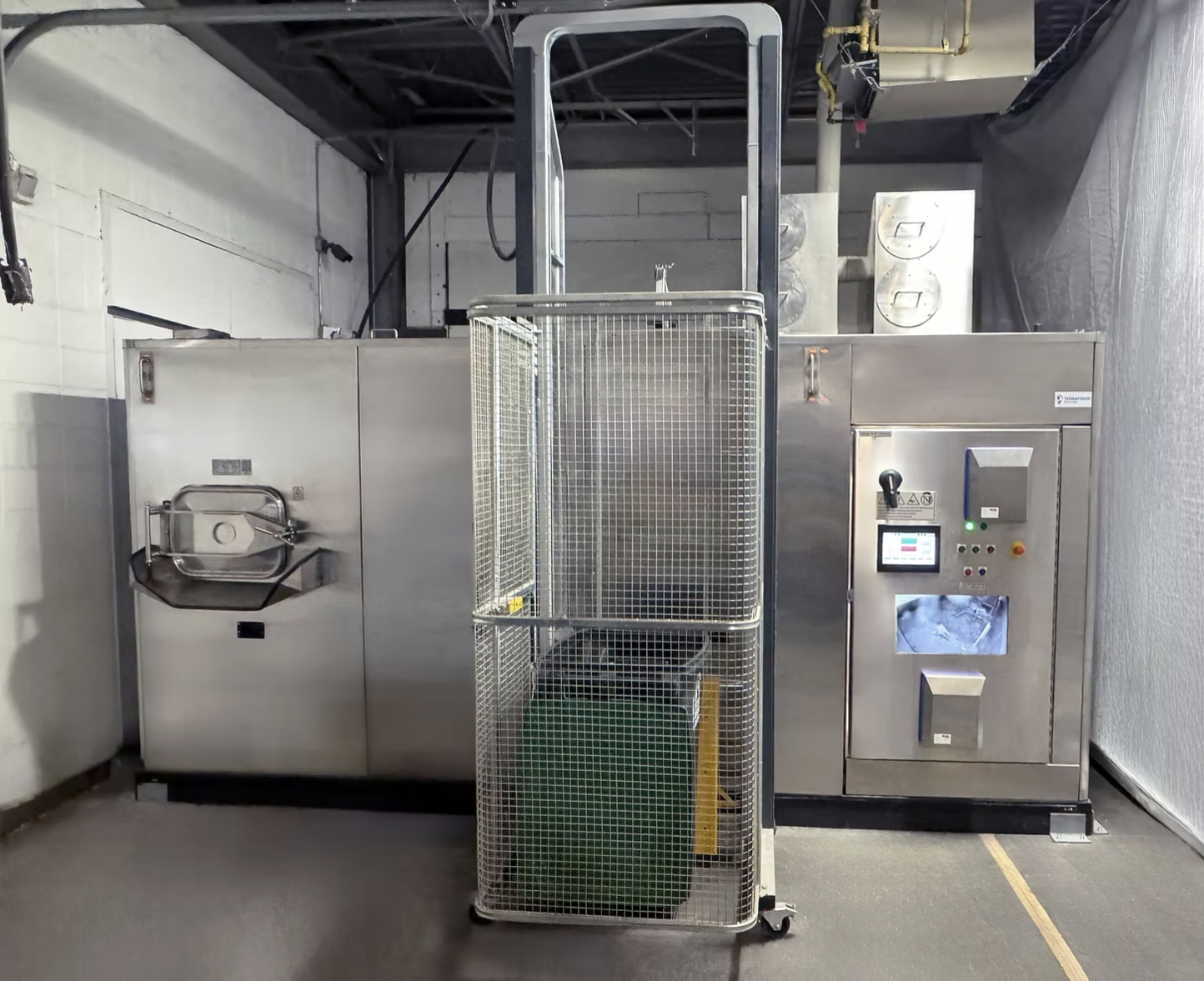
    Introducing the T1000 On-Site Composter

    The newly commissioned T-REX T1000 on-site composter represents a significant step forward in scale and performance. Designed to process up to 1,000 tonnes of organic waste annually, the T1000 doubles the capacity of previous installations and establishes a new benchmark for high-volume organics processing.

    In addition to increased capacity, the system incorporates a newly designed technology variation that significantly expands processing potential and enables the system to handle up to 2,500 tonnes annually. This represents a 500% increase over the original maximum processing capability of earlier T-REX machines.

    This advancement demonstrates how continued innovation and engineering refinement can unlock substantial performance gains while maintaining reliability, efficiency, and environmental integrity.

    Engineering for Performance and Reliability

    High-capacity composting requires more than scale alone. Systems must be engineered to manage moisture, oxygen levels, temperature, and material consistency across diverse organic waste streams. The T1000 has been designed with these operational realities in mind, ensuring stable performance even as throughput increases.

    Improved technology allows for more consistent biological activity, faster processing times, and reduced risk of anaerobic conditions. This results in better material breakdown, improved odor control, and a more predictable end product.

    By integrating these engineering improvements, the T1000 supports both operational efficiency and long-term system durability.

    A Fully Integrated Sustainability Hub

    The T-REX T1000 has been implemented at Recycling Alternative’s greenHUB, where it operates alongside a wide range of material recovery and recycling technologies. The greenHUB includes optical sorting systems for plastic waste, balers for plastics, packaging, and paper, a Styrofoam densifier, a paper shredder, and additional processing equipment.

    This integrated approach allows multiple waste streams to be managed within a single facility. Organic waste can be processed alongside recyclable materials, creating efficiencies in logistics, labor, and infrastructure while maximizing diversion from landfill.

    Centralized processing also allows for better data tracking and reporting, which is increasingly important for organizations measuring waste diversion, carbon reduction, and ESG performance.

    From Waste Reduction to Resource Creation

    Beyond reducing waste volume, the T1000 enables Recycling Alternative to convert organic material into a valuable soil amendment. This material supports soil health, water retention, and nutrient cycling, turning what was once considered waste into a useful resource.

    The potential to offer this soil amendment back to clients creates additional value within the waste management process. Clients benefit not only from reduced disposal volumes, but also from tangible sustainability outcomes that can be reintegrated into landscaping, restoration, or agricultural applications.

    This closed-loop approach strengthens the environmental impact of composting while reinforcing the economic and operational benefits.

    Expanding Access to Advanced Composting Solutions

    While on-site composting remains the ideal solution for many large generators of organic waste, not every organization has the space, volume, or capital required to install its own system. High-capacity facilities like the greenHUB help bridge this gap by extending the benefits of advanced composting technology to a wider range of users.

    By leveraging large-scale processing capabilities, smaller food producers, commercial kitchens, and mixed-use properties can participate in effective organic waste diversion without needing to operate their own equipment. This model supports broader adoption of composting practices while maintaining high processing standards.

    Improving Operational Conditions and Odor Management

    Effective organic waste management delivers benefits beyond sustainability metrics. Organic material can begin producing unpleasant odors within a short period of time, which can negatively impact hygiene, staff working conditions, and customer experience.

    By reducing storage time and processing organic waste efficiently, facilities can significantly improve cleanliness and odor control at the source. This leads to safer, more pleasant environments and supports better relationships with surrounding communities.

    Supporting ESG Goals and Regulatory Readiness

    As regulations around organic waste diversion continue to evolve, organizations are under increasing pressure to demonstrate responsible waste management practices. High-capacity on-site composting systems help future-proof operations by supporting compliance with landfill diversion mandates and sustainability reporting requirements.

    The ability to track processed volumes, diversion rates, and end-product outcomes provides valuable data for ESG reporting. This transparency helps organizations communicate progress to stakeholders while aligning operations with long-term environmental goals.

    A New Era for Commercial and Residential Composting

    The commissioning of the T-REX T1000 marks an important milestone for Recycling Alternative and the broader composting sector. Increased capacity, advanced technology, and integration within a comprehensive recycling ecosystem enable faster progress toward scalable and effective organic waste management.

    This development signals a shift toward smarter, higher-capacity composting solutions that support environmental responsibility, operational efficiency, and long-term sustainability across commercial and residential sectors.
  • How Sensors and Cameras Are Transforming Waste Data Management and Sustainability

    How Sensors and Cameras Are Transforming Waste Data Management and Sustainability

    Waste management is evolving into a data-driven science. As organizations across the world pursue sustainability goals, the need for accurate, continuous information about waste streams has never been greater. The traditional approach of manual audits and estimated reports no longer provides the precision or speed required for effective resource management.

    The next generation of waste management is powered by smart sensors and camera technology that automatically collect data in real time. These systems reveal how much waste moves through facilities, and where inefficiencies occur. By turning everyday waste activities into measurable data points, businesses can make informed decisions that improve recycling, reduce costs, and demonstrate environmental accountability.

    The Shift from Manual to Automated Data Collection

    Historically, waste reporting has been based on sampling and manual observation. Teams might weigh bins occasionally, record volumes during collections, and compile reports from invoices. While useful for broad estimates, this process leaves significant data gaps. It is difficult to track changes over time or respond quickly when issues arise.

    Smart waste systems address this challenge through automation. Sensors and cameras embedded in bin lifters, compactors, and composters monitor activity continuously. Instead of relying on staff to log information, these devices send precise readings to a centralized waste data management platform. The result is a complete, real-time understanding of the waste lifecycle.

    How Smart Sensors and Cameras Work Together

    Modern waste infrastructure uses a combination of sensors and camera-based systems to capture different types of information.

    1. Fill-Level and Weight Sensors

    Sensors and cameras installed inside waste processing containers measure how full a container Load cells in compactors record the exact weight of materials as they are deposited from bins. This information helps predict when a bin or waste container vessel will reach capacity, allowing for efficient collection and unloading scheduling.

    2. Environmental Sensors

    Temperature and moisture sensors can monitor organic waste to detect overheating during composting. In hazardous or industrial applications, gas sensors identify potential emissions or chemical leaks.

    3. Camera and Computer Vision Systems

    Cameras equipped with artificial intelligence (AI) analyze images of waste as it is loaded. These systems can identify material types such as paper, plastics, metals, organics, and compostable packaging. They also detect contamination, for example, a plastic bag in a organics bin pile. Over time, visual analytics build a detailed picture of waste composition, enabling better AI recognition, source separation, and educational initiatives.

    4. Integrated Data Platforms

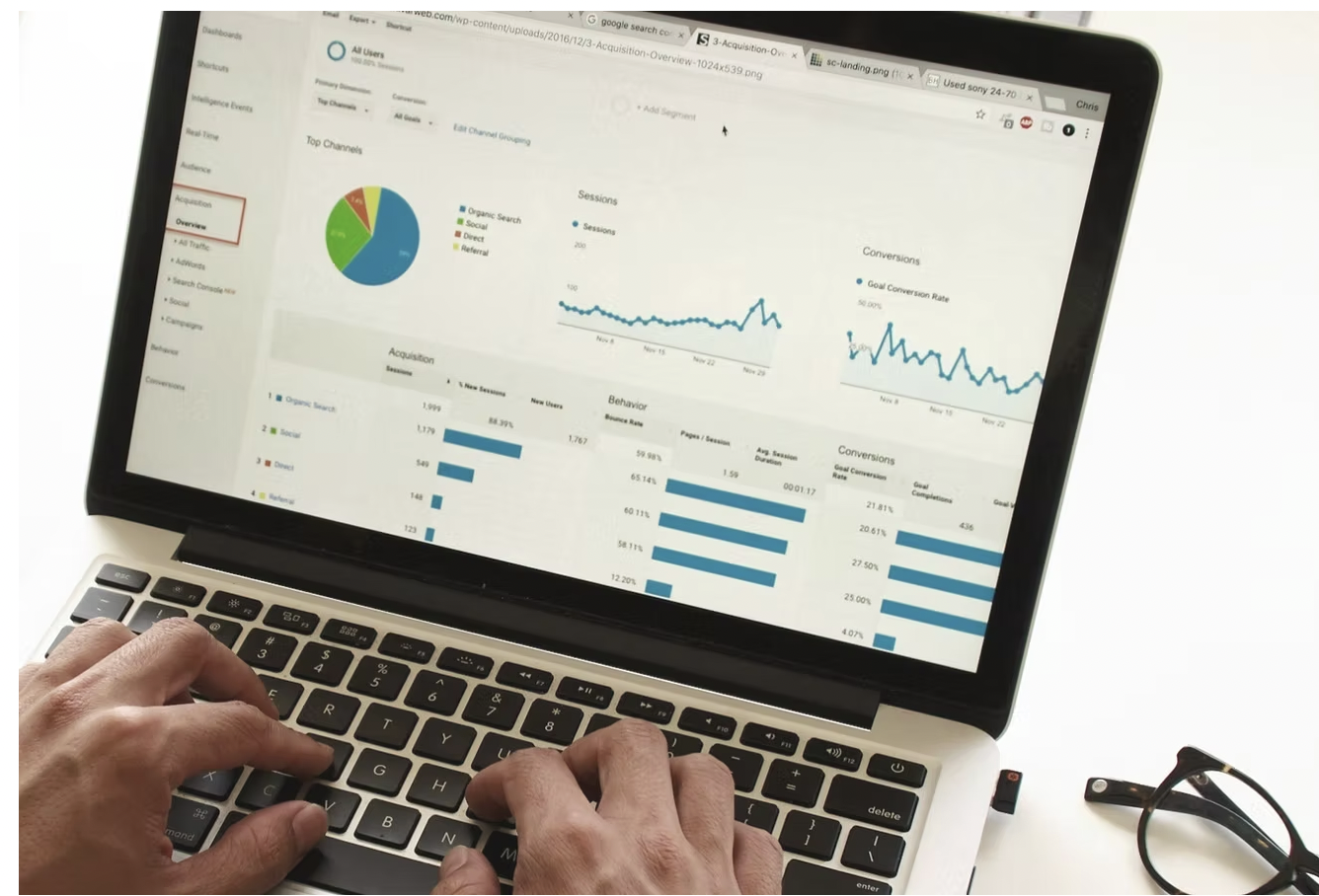
    All this information flows into a cloud-based dashboard, such as TFS IQ, where facility managers, sustainability officers, and service providers can review live data, view trends, and generate reports. These platforms translates raw sensor readings and camera footage into actionable insights.

    Benefits of Automatic Waste Data Collection

    The value of automated data management goes far beyond operational efficiency. It reshapes how organizations think about materials, resource use, and environmental impact.

    1. Real-Time Visibility and Responsiveness

    Continuous monitoring provides immediate awareness of waste. Facility managers can see which equipment are filling faster than expected, where contamination is increasing, or whether certain waste streams are underutilized. This enables quick intervention before issues escalate.

    2. Cost Savings through Smarter Logistics

    Collection routes can be adjusted based on actual waste volume rather than fixed schedules. This reduces unnecessary truck trips, fuel consumption, carbon footprint, and labor hours. Facilities can also identify underused equipment or over-serviced zones, optimizing asset placement.

    3. Improved Sustainability Performance

    Accurate data helps organizations measure recycling rates and diversion achievements with confidence. It supports compliance reporting, ESG disclosures, and sustainability certifications by providing verified metrics instead of estimates.

    4. Data-Driven Planning and Education

    Cameras reveal exactly which materials are causing contamination. This allows targeted communication and training for employees, tenants, or students. The same insights can inform purchasing policies by showing which packaging types are least recyclable or have the slowest compostability rate.

    5. Maintenance and System Health

    Sensors continuously monitor equipment status, helping detect mechanical issues such as compactor overloads or hydraulic failures before they become costly breakdowns.

    From Raw Data to Meaningful Insights

    The true value of smart waste technology lies not in the data itself, but in how that data is used. Analytics platforms organize millions of readings and images into patterns that reveal opportunities for improvement.

    For example:

    • A manufacturing facility might discover that one production line consistently generates higher waste volumes than others.
    • A campus might identify that contamination spikes during certain events or at specific locations.
    • A retailer could correlate waste data with sales figures to forecast disposal needs more accurately.

    Machine learning algorithms can even eventually forecast future waste generation based on seasonality, occupancy, or weather conditions. This predictive capability allows organizations to plan collections, staffing, and waste disposal campaigns with precision.

    Designing a Smart Waste Data Strategy

    Implementing an automated data management system requires careful planning. Below is a step-by-step framework for organizations that want to begin their smart waste transformation.

    Step 1: Define Your Objectives

    Clarify what you want to measure and improve. Objectives may include reducing collection frequency, improving recycling accuracy or composting efficiency and quality, or meeting specific sustainability targets.

    Step 2: Audit Your Infrastructure

    Identify where sensors and cameras can provide the most value. For instance, composters, compactors, loading docks, and bin lifters are areas often generate the most useful data.

    Step 3: Choose Scalable Technology

    Select embedded sensors and camera systems and equipment that integrate easily with your existing equipment and can be expanded as operations grow. Compatibility and interoperability are critical for long-term success.

    Step 4: Integrate Data Platforms

    Use a centralized dashboard, such as Versility, that collects and analyzes all data streams. A unified system reduces duplication and ensures that insights are visible across departments.

    Step 5: Train Your Team

    Technology is only as effective as the people who use it. Provide staff with training not only to interpret dashboards, respond to alerts, and take data-informed action, but also to understand and follow equipment operating procedures, all available on a smart data management platform such as Versility.

    Step 6: Review and Optimize

    Regularly assess performance metrics and adjust operations accordingly. Over time, the system will refine its predictions and recommendations based on accumulated data.

    Real-World Example: A Smarter Facility in Action

    Consider a university campus implementing smart sensors and cameras in its bin lifters in its waste disposal centers.

    • Sensors transmit live fill-level data of the bins.
    • Cameras identify visible contamination sources.
    • Sustainability staff review weekly reports highlighting which buildings generate excess waste and which achieve the best data diversion numbers.

    Within the first year, the university cuts collection costs by 25 percent, reduces vehicle emissions, and improves its diversion rate by 40 percent. Students and staff gain awareness of their waste habits through visual data shared in sustainability campaigns.

    Challenges and Considerations

    Like any digital system, automated waste data management comes with challenges that must be addressed to ensure reliability and value.

    1. Data Volume and Storage
      Sensors and cameras generate large datasets. Cloud-based storage with scalable architecture is essential to manage and analyze this information effectively.
    2. System Integration
      Smart waste solutions must integrate with existing software such as facility management systems or dashboards.
    3. Calibration and Maintenance
      Sensors and lenses require periodic calibration and cleaning to maintain accuracy. Preventive maintenance schedules should be part of the overall waste management plan.
    4. Staff Adoption
      Change management is important. Engaging staff early in the process and demonstrating benefits through clear metrics helps build trust and long-term commitment.

    The Future of Smart Waste Systems

    The future of waste data management is intelligent, adaptive, and deeply integrated into broader sustainability strategies. Sensors will become smaller, and more energy efficient. Cameras will achieve higher resolution and improved material recognition accuracy through advanced AI models.

    We can expect fully autonomous systems that automatically adjust collection routes, signal maintenance needs, and communicate directly with resource recovery facilities. The next evolution will also link waste data with carbon accounting tools, allowing organizations to see the emissions impact of every kilogram of material they divert or landfill.

    In the long term, this intelligence will feed into citywide and regional sustainability networks, where waste, water, and energy systems operate as interconnected ecosystems.

    Conclusion

    Smart waste management is no longer a future concept. It is a practical, measurable reality powered by sensors, cameras, and intelligent data analysis. By capturing accurate information automatically, organizations gain visibility, control, and accountability across every stage of the waste lifecycle.

    At Terraforma Systems, we help businesses and institutions harness this technology to achieve real environmental and operational results. Through intelligent monitoring and connected data ecosystems, waste becomes a source of insight, innovation, and sustainability progress.

    Smart data does not just manage waste better. It changes how we understand and value resources in a circular economy.