Tag: data management

  • AI Recognition of Waste in T-REX Composters

    AI Recognition of Waste in T-REX Composters

    Powered by TFS IQ

    In a busy commercial kitchen, waste moves fast. A line cook clears a prep station. A student empties a plate between classes. A barista drops a stack of used cups at the end of a shift. In those moments, decisions are quick and attention is elsewhere. What lands in the compost stream is not always sorted with precision, yet composting performance depends entirely on those deposits.

    In corporate dining facilities, universities, hospitality venues, stadiums, and food production sites, waste streams are dynamic. They shift with menu rotations, seasonal ingredients, supplier packaging changes, and human habits. On Monday the stream may be heavy with produce trimmings. On Friday it may contain more protein scraps and beverage containers. Without visibility at the moment of disposal, contamination and imbalance quietly accumulate inside the system.

    Terraforma Systems built the solution directly into the composter itself, powered by TFS IQ, which includes an integrated AI recognition system that sees what enters the unit in real time. Instead of discovering problems after a compost cycle is complete, facilities gain awareness at the point of deposit. Composting becomes informed, measurable, and controlled from the start.

    Seeing Waste as It Enters the Composter Through AI Recognition

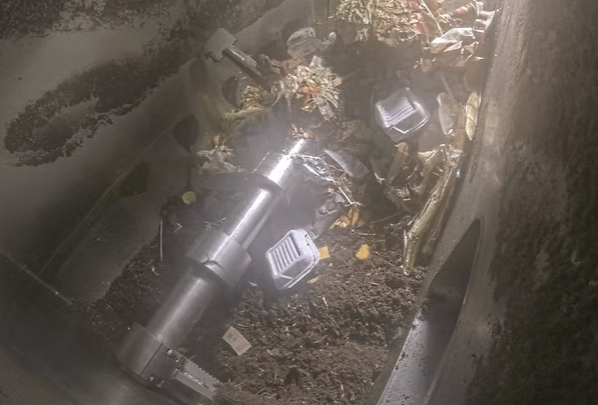
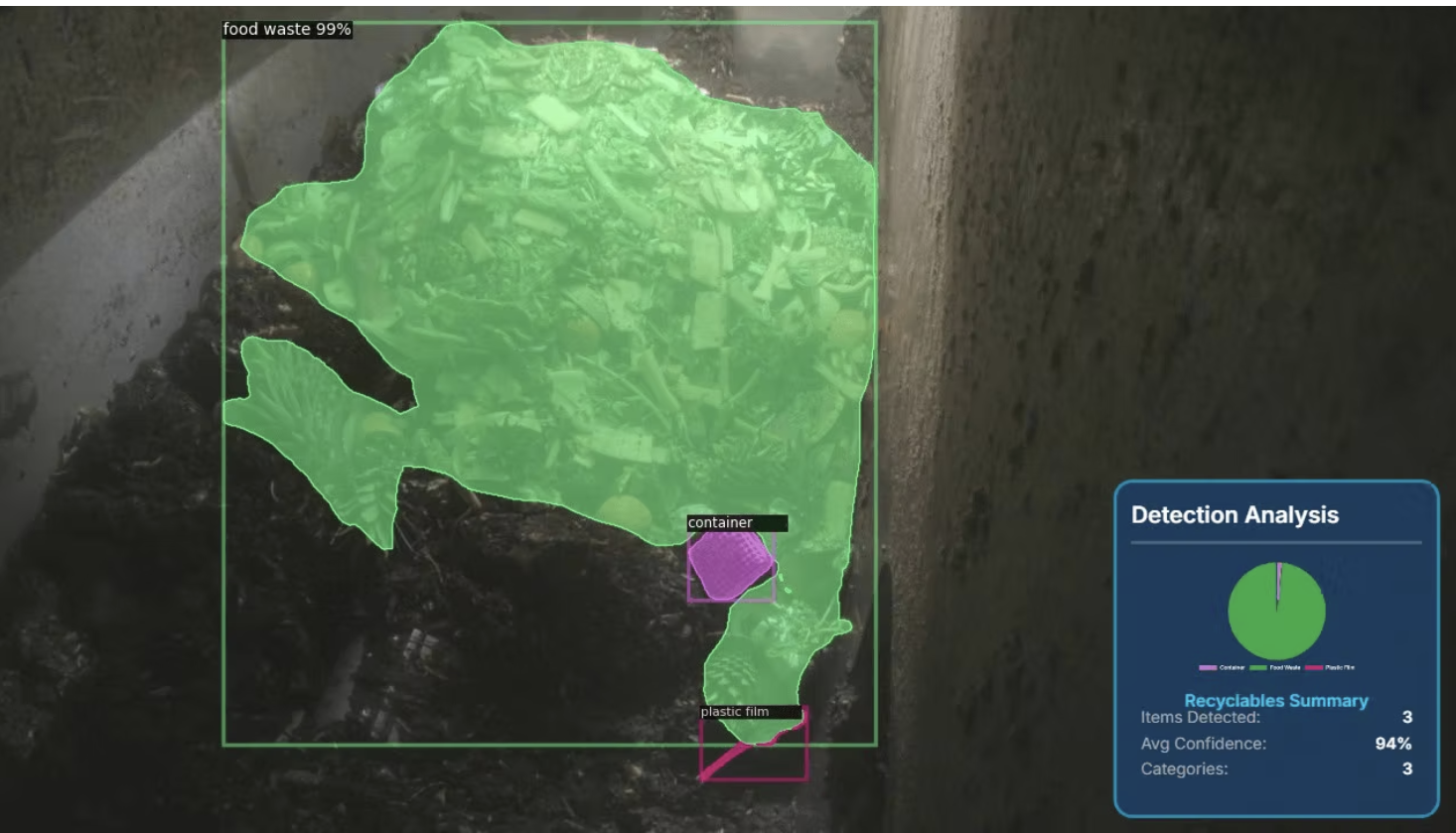
    Inside every T-REX composter unit, a protected internal camera captures material as it is deposited. Before the waste is mixed, and transformed, it is observed. Images are processed through TFS IQ AI Recognition system, where materials are segmented, classified, and logged into structured categories aligned with compost operations.

    The placement of the camera is intentional. Once materials are blended together, visual distinctions disappear. By choosing to analyze deposits immediately after the bin is loaded into the machine and saving it, the team preserves a clear record of original composition. Over time, the data collected creates a detailed picture of how a facility actually behaves, not how it assumes it behaves.

    The AI Segmentation process is triggered as needed and runs as prompted. Staff continue their routines uninterrupted, while each deposit can add to a growing dataset that reflects real material flow.

    Compostable Packaging in the Real World

    Sustainable packaging has evolved quickly. Fiber bowls, molded pulp trays, bagasse containers, compostable cutlery, and certified bioplastic lids are increasingly common. At the same time, conventional plastics often mimic the appearance of compostable alternatives. Clear PET containers resemble PLA. Coated paperboard looks identical to fiber-based packaging.

    The AI Segmentor system is continually being trained to distinguish between these materials based on shape, texture, reflectivity, thickness, and structural features. This distinction matters operationally. Fiber packaging integrates into compost predictably, while some bioplastics require sustained thermophilic conditions. Conventional plastics do not belong in the system at all.

    By identifying and logging these items, TFS IQ can reveal whether a facility’s packaging strategy aligns with its composting capability. It also is being trained to highlight when non-compostable look-alikes are entering the stream. Over time, procurement decisions can be evaluated against actual disposal data rather than sustainability assumptions.

    Coffee Cups and Beverage Waste

    Coffee cups illustrate how easily contamination can scale. In high-traffic environments, hundreds or thousands of cups may be discarded daily. Many appear to be paper, yet contain polyethylene liners. Others use compostable linings that require specific processing conditions. Lids may be polypropylene, polystyrene, or certified compostable resin.

    Within the T-REX composter system, coffee cup are classified separately. This level of detail reveals how the beverage packaging contributes to contamination trends. If plastic lids consistently enter the compost stream, signage and bin design may need adjustment. This ensures evaluations become a data-driven discussion.

    Rather than relying on periodic audits, facilities can see patterns that emerge through AI recognition.

    Produce Waste

    Plant-based waste remains the backbone of most compost streams. Lettuce trimmings, onion skins, fruit peels, herb stems, and prepared vegetable scraps supply moisture and nutrients that fuel microbial activity. These materials influence aeration, temperature curves, and stabilization rates inside the compost chamber.

    The AI recognition system can classify plant-based inputs, helping operators understand the proportion of fresh produce relative to other materials. A stream dominated by high-moisture vegetables behaves differently from one heavy in dry starches or protein scraps. By observing these shifts through continuous AI training over time, operators can interpret compost performance with greater precision.

    The system also brings clarity to the difference between pre-consumer waste from food preparation and post-consumer waste from plate returns. That distinction supports broader waste reduction initiatives upstream.

    Protein and Nitrogen-Heavy Inputs

    Animal-based materials introduce additional biological complexity. Meat scraps, poultry bones, fish remains, and dairy residues contain dense proteins and elevated nitrogen levels. In moderate amounts they contribute valuable nutrients. In excess, they can disrupt microbial balance and extend stabilization time.

    TFS IQ‘s AI Segmentor is being trained to identify these materials as distinct inputs. When protein-heavy waste spikes, operators can correlate those changes with temperature profiles, or aeration demands. Menu cycles, catering events, and seasonal offerings become visible in the compost data itself.

    This connection between input composition and process performance strengthens operational control.

    Bread, Grains, and Starch-Dense Materials

    Bread products, pastries, pasta, and rice are fully compostable, yet they influence decomposition differently than fibrous produce waste. Starch-dense materials can compact, retain moisture, and shift carbon-to-nitrogen ratios within the compost matrix.

    The AI Segmentor system’s continuous training helps in tracking of these inputs within the broader organic stream. Facilities with high volumes of bakery waste, such as campuses or conference centers, gain insight into how these materials contribute to variations in compost texture and cycle duration. Instead of attributing changes solely to mechanical factors, operators can interpret biological drivers more accurately.

    Expanding the View of Contamination

    Metal cans and rigid plastics are obvious contaminants, but real-world waste streams contain a wider range of problematic materials. The T-REX‘s TFS IQ AI recognition system continually trained to detect a broad spectrum of inorganic and non-compostable items. When a bin containing contaminants is tipped in, the system uses AI segmentation to identify the material types, automatically generates a contamination report, and sends out an alert to the operator, allowing operators to track sources, improve sorting practices, and maintain higher-quality compost streams.

    These include aluminum beverage cans and steel food tins, plastic bottles and caps, multilayer snack wrappers, plastic films and shrink wrap, foam containers, disposable gloves, condiment packets, glass bottles, ceramic fragments, laminated paperboard, coated freezer boxes, silicone baking liners, and synthetic tea bags. Even small items such as twist ties, produce stickers, and plastic cutlery can compromise compost quality when they accumulate.

    By identifying the larger items of these materials at the point of entry, TFS IQ transforms contamination into a measurable variable. Instead of discovering foreign objects during compost extraction, facilities gain immediate awareness of how and when contamination occurs.

    From Observation to Action

    Every waste deposit can be logged through TFS IQ. Over weeks and months, patterns become visible. A specific location or day of the week may show elevated contaminations. Certain shifts may generate higher volumes of beverage packaging. A new supplier’s containers may correlate with increased non-compostable input.

    Because the data originates directly from the composter, it reflects actual behavior rather than estimated diversion rates. Sustainability managers can report with confidence. Procurement teams can evaluate packaging compatibility. Operations leaders can redesign waste stations based on evidence.

    The system does not simply identify objects. It connects material behavior to operational decisions.

    Learning From Real Environments

    Waste streams evolve. Packaging manufacturers introduce new materials. Food service models change. The AI recognition model within TFS IQ is continually refined using real operational data drawn from active facilities. Lighting variation, mixed deposits, and disposal patterns all inform ongoing model development.

    This continuous refinement ensures that the AI Segmentor accuracy remains aligned with real-world conditions rather than controlled demonstrations. The system improves as it observes more diverse material streams.

    Composting With Accountability

    Traditional composting systems focus on what happens inside the machine after materials are deposited. The TFS IQ platform expands that focus to include what enters the system in the first place. By providing the ability to identify compost materials and contaminants of the waste deposit , Terraforma Systems establishes a direct link between input behavior and compost output.

    Waste is no longer anonymous. It is categorized, quantified, and understood in context. That visibility strengthens compost consistency, reduces contamination risk, and supports measurable sustainability performance.

    Through AI recognition powered by TFS IQ, T-REX composters elevate composting from a disposal function to an intelligent, accountable component of modern resource management.
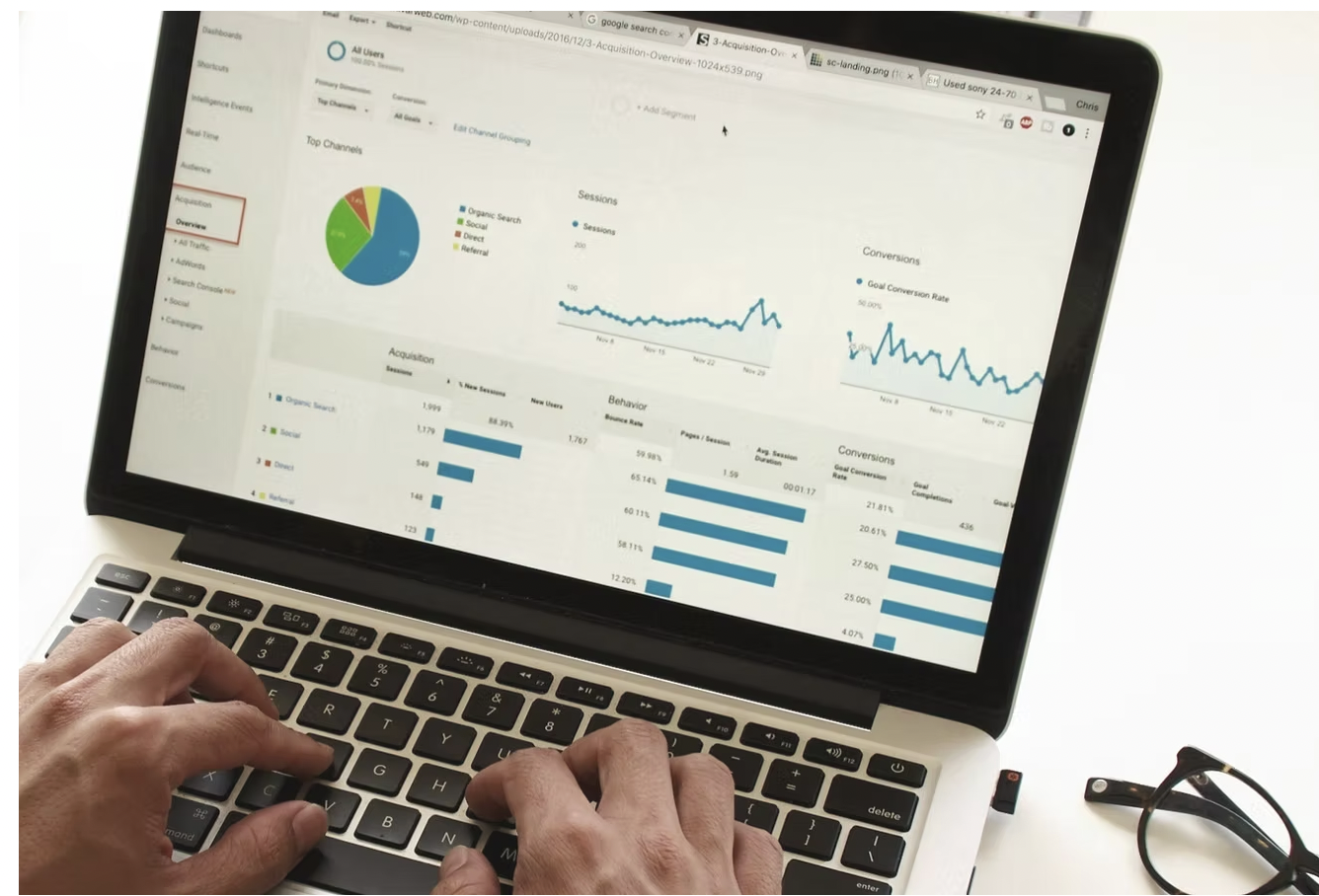
  • How Real-Time Waste Visibility Changes Decisions in ICI Facilities

    How Real-Time Waste Visibility Changes Decisions in ICI Facilities

    In Industrial, Commercial, and Institutional (ICI) facilities, waste management is a constant operational requirement. It touches sanitation, logistics, compliance, labor planning, and sustainability reporting, yet it has traditionally remained one of the least visible systems within a facility. Waste is generated continuously, but information about it often arrives late, summarized in hauling invoices, audit reports, or annual diversion statements. By the time that waste data is reviewed, the operational decisions that shaped it have already been made.

    As ICI facilities adopt more connected infrastructure, waste is beginning to shift from a background function to a visible operational input. Real-time waste data from automated equipment, sensors, and centralized platforms is allowing waste activity to be observed as it happens. This change is not about adding complexity or oversight. It is about aligning waste management with the same level of operational awareness that already exists for energy, water, and space utilization.

    Waste as an Operational Blind Spot in ICI Facilities

    ICI environments are complex by nature. Manufacturing plants, hospitals, campuses, food service operations, and large commercial buildings all generate waste across multiple departments, shifts, and use cases. Despite this complexity, waste is often managed using standardized schedules and static assumptions. Pickups occur on fixed days. Equipment is checked manually. Performance is evaluated periodically rather than continuously.

    This approach keeps operations running, but it limits how effectively waste data can inform daily decisions. When waste activity is not visible in real time, it is difficult to link it to production volumes, occupancy levels, menu changes, or seasonal demand. Sustainability targets and cost controls are managed in parallel to operations rather than embedded within them. Waste becomes something to review after the fact, instead of something that actively supports planning and coordination.

    What Real-Time Waste Visibility Changes at the Operational Level

    When waste systems are connected and monitored in real time, they begin to reflect actual operational conditions rather than averages or estimates. Facilities can see how waste volumes fluctuate throughout a short window of time, how different areas contribute to overall output, and how changes in activity immediately affect waste generation. This level of visibility provides context that static reports cannot.

    For ICI facilities, this means operational teams can align waste handling with real demand. Hauling schedules can reflect actual fill levels instead of fixed intervals. On-site processing systems such as composters can be monitored continuously to support consistent throughput. Cleaning, washing, and material handling activities can be planned based on usage patterns rather than routine checks. These adjustments improve efficiency without requiring changes to staffing levels or workflows.

    Shifting from Periodic Reporting to Continuous Awareness

    Reporting remains an essential part of waste management in the ICI sector. Facilities must meet regulatory requirements, internal targets, and corporate sustainability commitments. What changes with real-time waste visibility is the role reporting plays in decision-making.

    Instead of being the primary source of insight, reports become a summary of decisions that were already informed by live waste data. Operations teams no longer need to wait for a monthly review to identify trends or make adjustments. Issues related to volume, timing, or equipment usage are visible as they develop. This allows facilities to respond gradually and deliberately rather than reacting after inefficiencies have accumulated.

    Practical Impacts on Day-to-Day ICI Operations

    The benefits of real-time waste visibility are most evident in daily operational decisions. In industrial and commercial settings where margins, labor, and compliance matter, small adjustments can have meaningful impact over time.

    Scheduling becomes more precise because collections, processing, and sanitation activities are tied to actual conditions. Staff time is used more effectively because attention can be focused on areas with higher activity or changing demand. Communication between departments improves because waste data provides a shared reference point that supports planning discussions. When changes occur, whether due to production shifts, occupancy fluctuations, or special events, teams can respond based on current information rather than assumptions.

    These outcomes are not the result of tighter controls or increased oversight. They come from clearer information being available at the right time.

    Waste Visibility and Workforce Alignment

    In ICI facilities, waste management involves multiple roles, including operations, maintenance, sanitation, sustainability, and management. When waste activity is visible, these groups are better aligned. Waste data provides context that reduces the need for explanation and interpretation.

    Teams are able to see how their actions connect to broader facility activity. This supports more informed discussions, clearer priorities, and stronger coordination across shifts and departments. Rather than relying on reminders or corrective measures, facilities benefit from shared understanding. Waste visibility supports consistency without imposing additional administrative burden on staff.

    Integrating Waste into the Broader Facility System

    As ICI facilities continue to modernize, waste is increasingly integrated into broader operational systems. Energy, water, asset performance, and space utilization are already monitored closely. Waste data adds another layer of insight that completes the picture of how resources move through a facility.

    When waste information is part of this ecosystem, sustainability reporting becomes grounded in real operational data rather than estimates. Planning decisions are based on observed patterns. Leadership gains confidence in the accuracy and relevance of waste metrics because they reflect daily activity rather than periodic snapshots.

    Supporting Decision-Making at Every Level

    Real-time waste visibility supports decision-making across the organization. Operations teams gain flexibility and responsiveness. Facility managers gain better control over planning and performance. Sustainability leaders gain reliable waste data that aligns with operational reality. Executives gain transparency into an area that has traditionally been difficult to quantify.

    The same waste data supports immediate operational choices and long-term strategic goals. This alignment is especially valuable in the ICI sector, where waste management must balance efficiency, compliance, and sustainability.

    A More Informed Approach to Waste in the ICI Sector

    As waste becomes visible in real time, its role within ICI facilities changes. It is no longer just a downstream outcome of operations. It becomes an indicator of how the facility is functioning day to day.

    Real-time waste visibility does not seek to control behavior or eliminate variability. It provides awareness. That awareness allows facilities to plan more accurately, respond more calmly, and operate with greater confidence.

    For ICI organizations managing complex operations at scale, making waste visible is not a technological upgrade. It is an operational advantage.

  • How Sensors and Cameras Are Transforming Waste Data Management and Sustainability

    How Sensors and Cameras Are Transforming Waste Data Management and Sustainability

    Waste management is evolving into a data-driven science. As organizations across the world pursue sustainability goals, the need for accurate, continuous information about waste streams has never been greater. The traditional approach of manual audits and estimated reports no longer provides the precision or speed required for effective resource management.

    The next generation of waste management is powered by smart sensors and camera technology that automatically collect data in real time. These systems reveal how much waste moves through facilities, and where inefficiencies occur. By turning everyday waste activities into measurable data points, businesses can make informed decisions that improve recycling, reduce costs, and demonstrate environmental accountability.

    The Shift from Manual to Automated Data Collection

    Historically, waste reporting has been based on sampling and manual observation. Teams might weigh bins occasionally, record volumes during collections, and compile reports from invoices. While useful for broad estimates, this process leaves significant data gaps. It is difficult to track changes over time or respond quickly when issues arise.

    Smart waste systems address this challenge through automation. Sensors and cameras embedded in bin lifters, compactors, and composters monitor activity continuously. Instead of relying on staff to log information, these devices send precise readings to a centralized waste data management platform. The result is a complete, real-time understanding of the waste lifecycle.

    How Smart Sensors and Cameras Work Together

    Modern waste infrastructure uses a combination of sensors and camera-based systems to capture different types of information.

    1. Fill-Level and Weight Sensors

    Sensors and cameras installed inside waste processing containers measure how full a container Load cells in compactors record the exact weight of materials as they are deposited from bins. This information helps predict when a bin or waste container vessel will reach capacity, allowing for efficient collection and unloading scheduling.

    2. Environmental Sensors

    Temperature and moisture sensors can monitor organic waste to detect overheating during composting. In hazardous or industrial applications, gas sensors identify potential emissions or chemical leaks.

    3. Camera and Computer Vision Systems

    Cameras equipped with artificial intelligence (AI) analyze images of waste as it is loaded. These systems can identify material types such as paper, plastics, metals, organics, and compostable packaging. They also detect contamination, for example, a plastic bag in a organics bin pile. Over time, visual analytics build a detailed picture of waste composition, enabling better AI recognition, source separation, and educational initiatives.

    4. Integrated Data Platforms

    All this information flows into a cloud-based dashboard, such as TFS IQ, where facility managers, sustainability officers, and service providers can review live data, view trends, and generate reports. These platforms translates raw sensor readings and camera footage into actionable insights.

    Benefits of Automatic Waste Data Collection

    The value of automated data management goes far beyond operational efficiency. It reshapes how organizations think about materials, resource use, and environmental impact.

    1. Real-Time Visibility and Responsiveness

    Continuous monitoring provides immediate awareness of waste. Facility managers can see which equipment are filling faster than expected, where contamination is increasing, or whether certain waste streams are underutilized. This enables quick intervention before issues escalate.

    2. Cost Savings through Smarter Logistics

    Collection routes can be adjusted based on actual waste volume rather than fixed schedules. This reduces unnecessary truck trips, fuel consumption, carbon footprint, and labor hours. Facilities can also identify underused equipment or over-serviced zones, optimizing asset placement.

    3. Improved Sustainability Performance

    Accurate data helps organizations measure recycling rates and diversion achievements with confidence. It supports compliance reporting, ESG disclosures, and sustainability certifications by providing verified metrics instead of estimates.

    4. Data-Driven Planning and Education

    Cameras reveal exactly which materials are causing contamination. This allows targeted communication and training for employees, tenants, or students. The same insights can inform purchasing policies by showing which packaging types are least recyclable or have the slowest compostability rate.

    5. Maintenance and System Health

    Sensors continuously monitor equipment status, helping detect mechanical issues such as compactor overloads or hydraulic failures before they become costly breakdowns.

    From Raw Data to Meaningful Insights

    The true value of smart waste technology lies not in the data itself, but in how that data is used. Analytics platforms organize millions of readings and images into patterns that reveal opportunities for improvement.

    For example:

    • A manufacturing facility might discover that one production line consistently generates higher waste volumes than others.
    • A campus might identify that contamination spikes during certain events or at specific locations.
    • A retailer could correlate waste data with sales figures to forecast disposal needs more accurately.

    Machine learning algorithms can even eventually forecast future waste generation based on seasonality, occupancy, or weather conditions. This predictive capability allows organizations to plan collections, staffing, and waste disposal campaigns with precision.

    Designing a Smart Waste Data Strategy

    Implementing an automated data management system requires careful planning. Below is a step-by-step framework for organizations that want to begin their smart waste transformation.

    Step 1: Define Your Objectives

    Clarify what you want to measure and improve. Objectives may include reducing collection frequency, improving recycling accuracy or composting efficiency and quality, or meeting specific sustainability targets.

    Step 2: Audit Your Infrastructure

    Identify where sensors and cameras can provide the most value. For instance, composters, compactors, loading docks, and bin lifters are areas often generate the most useful data.

    Step 3: Choose Scalable Technology

    Select embedded sensors and camera systems and equipment that integrate easily with your existing equipment and can be expanded as operations grow. Compatibility and interoperability are critical for long-term success.

    Step 4: Integrate Data Platforms

    Use a centralized dashboard, such as Versility, that collects and analyzes all data streams. A unified system reduces duplication and ensures that insights are visible across departments.

    Step 5: Train Your Team

    Technology is only as effective as the people who use it. Provide staff with training not only to interpret dashboards, respond to alerts, and take data-informed action, but also to understand and follow equipment operating procedures, all available on a smart data management platform such as Versility.

    Step 6: Review and Optimize

    Regularly assess performance metrics and adjust operations accordingly. Over time, the system will refine its predictions and recommendations based on accumulated data.

    Real-World Example: A Smarter Facility in Action

    Consider a university campus implementing smart sensors and cameras in its bin lifters in its waste disposal centers.

    • Sensors transmit live fill-level data of the bins.
    • Cameras identify visible contamination sources.
    • Sustainability staff review weekly reports highlighting which buildings generate excess waste and which achieve the best data diversion numbers.

    Within the first year, the university cuts collection costs by 25 percent, reduces vehicle emissions, and improves its diversion rate by 40 percent. Students and staff gain awareness of their waste habits through visual data shared in sustainability campaigns.

    Challenges and Considerations

    Like any digital system, automated waste data management comes with challenges that must be addressed to ensure reliability and value.

    1. Data Volume and Storage
      Sensors and cameras generate large datasets. Cloud-based storage with scalable architecture is essential to manage and analyze this information effectively.
    2. System Integration
      Smart waste solutions must integrate with existing software such as facility management systems or dashboards.
    3. Calibration and Maintenance
      Sensors and lenses require periodic calibration and cleaning to maintain accuracy. Preventive maintenance schedules should be part of the overall waste management plan.
    4. Staff Adoption
      Change management is important. Engaging staff early in the process and demonstrating benefits through clear metrics helps build trust and long-term commitment.

    The Future of Smart Waste Systems

    The future of waste data management is intelligent, adaptive, and deeply integrated into broader sustainability strategies. Sensors will become smaller, and more energy efficient. Cameras will achieve higher resolution and improved material recognition accuracy through advanced AI models.

    We can expect fully autonomous systems that automatically adjust collection routes, signal maintenance needs, and communicate directly with resource recovery facilities. The next evolution will also link waste data with carbon accounting tools, allowing organizations to see the emissions impact of every kilogram of material they divert or landfill.

    In the long term, this intelligence will feed into citywide and regional sustainability networks, where waste, water, and energy systems operate as interconnected ecosystems.

    Conclusion

    Smart waste management is no longer a future concept. It is a practical, measurable reality powered by sensors, cameras, and intelligent data analysis. By capturing accurate information automatically, organizations gain visibility, control, and accountability across every stage of the waste lifecycle.

    At Terraforma Systems, we help businesses and institutions harness this technology to achieve real environmental and operational results. Through intelligent monitoring and connected data ecosystems, waste becomes a source of insight, innovation, and sustainability progress.

    Smart data does not just manage waste better. It changes how we understand and value resources in a circular economy.

  • Managing Risks and Maximizing Potential of Waste on Industrial Lands

    Managing Risks and Maximizing Potential of Waste on Industrial Lands

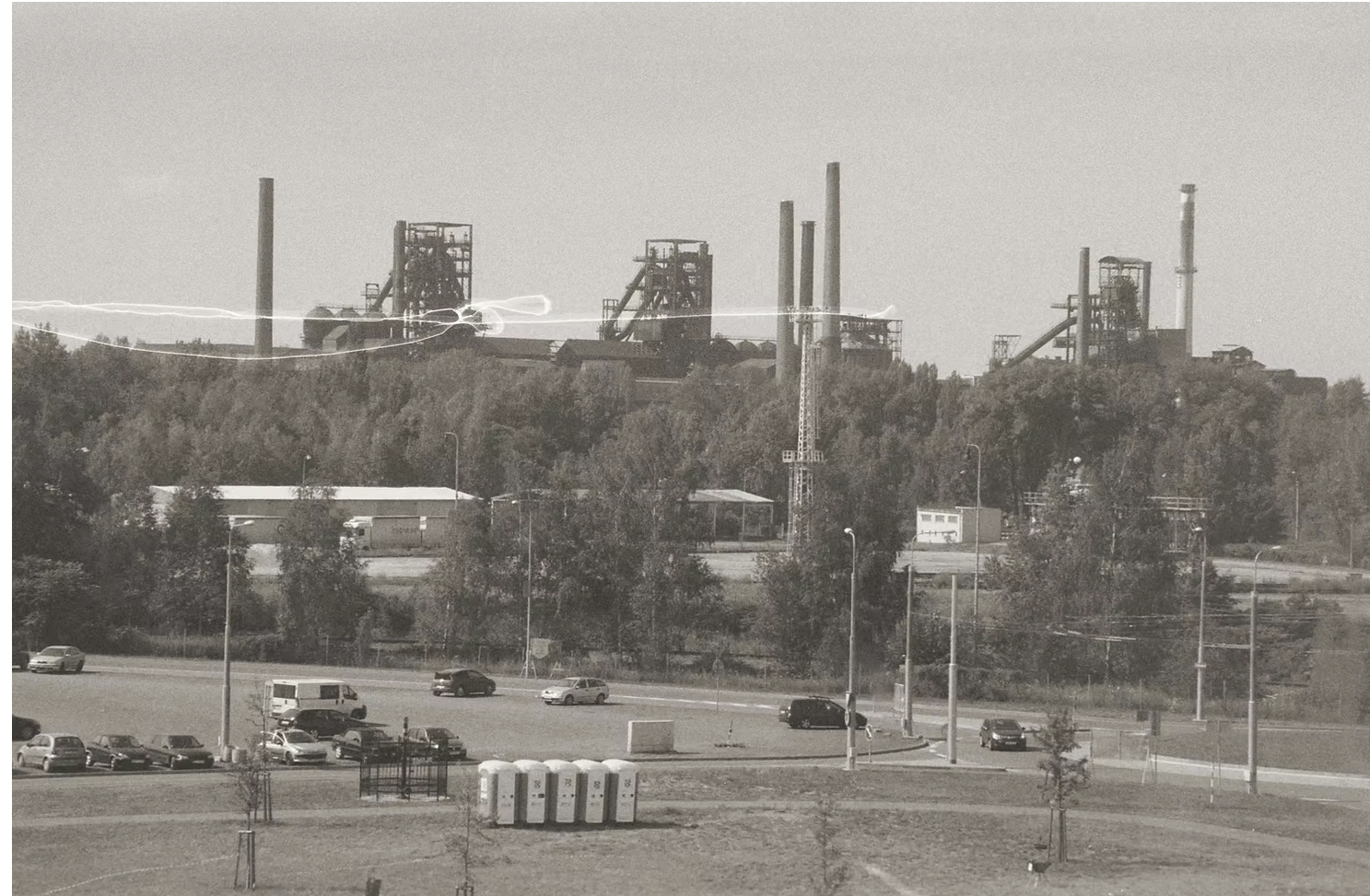
    Industrial lands are the engines of manufacturing, logistics, and heavy commercial activity. They are also significant producers and storers of waste. From packaging and production residues to hazardous chemicals and construction debris, the volume and diversity of waste on these sites pose both operational and environmental challenges.

    Historically, industrial areas have often been chosen for waste handling facilities, including landfills, transfer stations, and recycling depots, because they are zoned for heavy use and located away from residential neighborhoods. While this can make logistical sense, it also creates long-term environmental and land use considerations that require careful planning.

    Types of Waste Found on Industrial Lands

    Industrial zones generate multiple waste streams, often at high volumes. Common types include:

    Organic wasteFood scraps from cafeterias, landscaping debris, and byproducts from food processing or agricultural processing facilities.

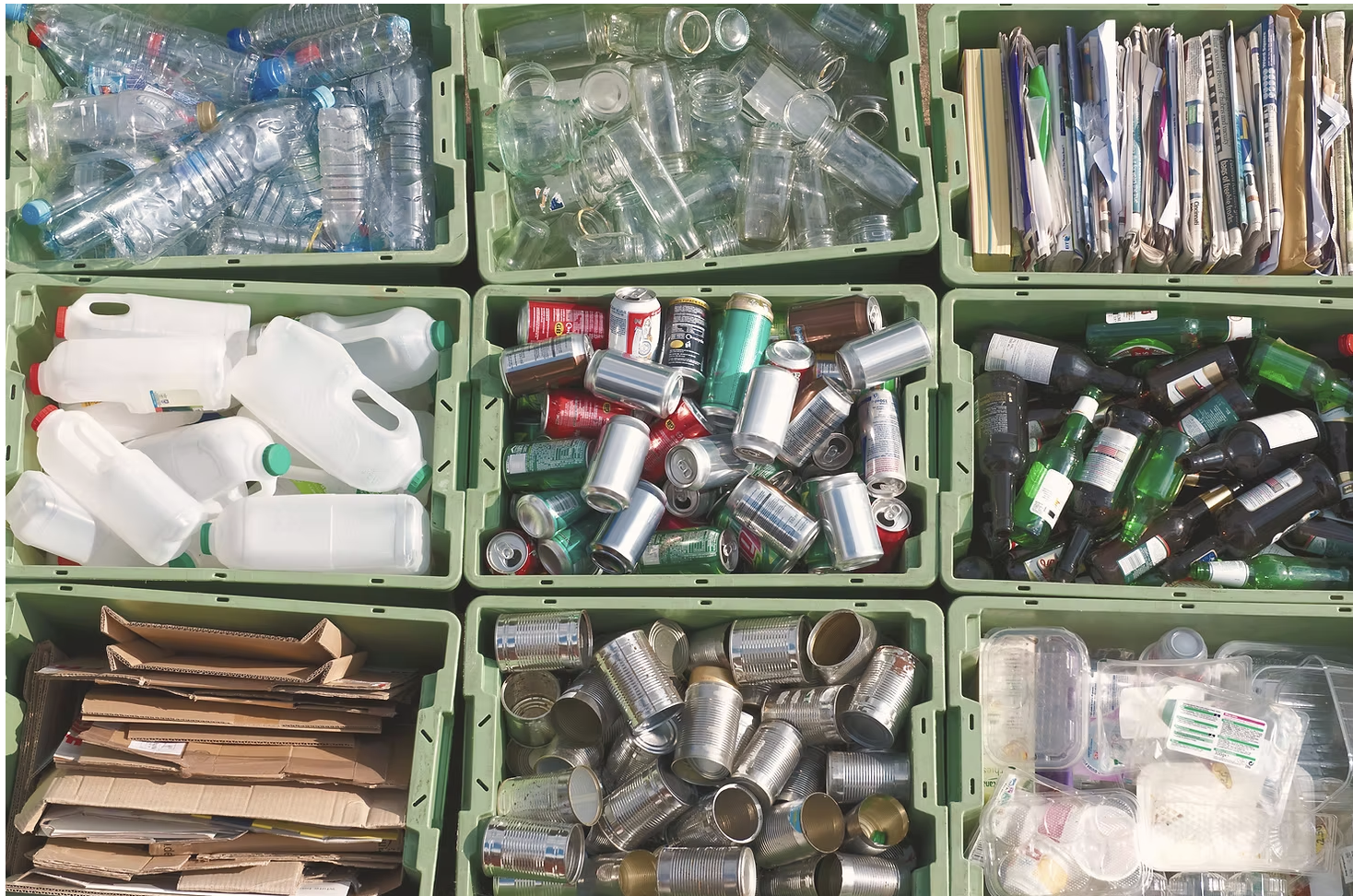
    RecyclablesCardboard, plastics, metals, and paper from packaging, shipping, and manufacturing processes.

    Residual non-recyclables – Materials contaminated with oils, adhesives, or other substances that prevent recovery.

    Hazardous and toxic waste – Chemicals, solvents, heavy metals, and other regulated substances that require specialized handling and disposal.

    Construction and demolition waste – Concrete, asphalt, treated wood, insulation, and other debris from facility expansion or tenant turnover.

    Challenges of Waste Management on Industrial Lands

    Managing waste in industrial areas is not simply about collecting and hauling it away. Several factors make the process more complex:

    • High volume and density. Multiple operators in close proximity can produce more waste than the available infrastructure can efficiently handle.
    • Environmental risk. Improperly stored or handled waste can contaminate soil, air, and groundwater.
    • Regulatory compliance. Businesses must adhere to local, provincial, and federal waste management laws, with strict penalties for violations.
    • Land use impact. Sites used for long-term waste disposal can face restrictions and costly remediation before redevelopment.

    Environmental and Economic Impacts

    Poor waste management on industrial lands can have ripple effects that last for decades. These include:

    • Soil and groundwater contamination
    • Greenhouse gas emissions from decomposing organic waste
    • Reduced land value due to contamination or remediation requirements
    • Increased costs for cleanup and compliance
    • Negative community and stakeholder perceptions

    Conversely, effective waste management can reduce operating costs, improve environmental performance, and preserve land value for future uses.

    Redevelopment of Waste-Impacted Industrial Lands

    When portions of industrial sites have been used for landfill or waste storage, redevelopment becomes a more complex but not impossible process. Common reuse options include:

    • Light industrial facilities with shallow foundations over capped landfills
    • Renewable energy installations such as solar arrays or landfill gas-to-energy projects
    • Green infrastructure including stormwater management areas or buffer zones

    The key to safe redevelopment is thorough environmental assessment, regulatory clearance, and long-term monitoring.

    Solutions for Better Waste Management in Industrial Areas

    Forward-thinking industrial operators are adopting integrated waste management systems to minimize landfill use and environmental risk. Strategies include:

    • On-site composting for organic waste to reduce hauling costs and methane emissions
    • Centralized waste facilities for multi-tenant industrial parks to improve efficiency and compliance
    • Waste tracking and analytics to identify diversion opportunities and streamline processes
    • Employee training and clear signage to improve source separation and recycling rates

    The Role of Terraforma Systems

    Terraforma Systems offers tools that help industrial operations turn waste management from a liability into a strategic advantage. The T-REX Composter processes organics directly on site, eliminating the need for landfill disposal and reducing emissions. TFS IQ provides real-time waste data, enabling operators to track performance, meet compliance requirements, and identify cost saving opportunities.

    Moving Toward Sustainable Industrial Land Use

    Waste on industrial lands is an unavoidable reality. The way it is managed determines whether it becomes a costly burden or a driver for efficiency and sustainability. By combining innovative technology, regulatory compliance, and proactive waste reduction, industrial areas can maintain their economic productivity while protecting environmental and community health.

    With the right systems in place, today’s industrial lands can continue to support industry while safeguarding their long-term value. In some cases, waste-impacted sites can even be transformed into productive assets once again.

  • Simplifying Waste Data Management With TFS IQ

    Simplifying Waste Data Management With TFS IQ

    In today’s world, effective waste management is about more than just reducing trash, it’s about understanding and optimizing the processes that handle it. That’s where TFS IQ comes in. Our platform provides immediate updates on the composting process of the T-REX Composter and tracks all the key data to help you manage waste more efficiently.

    TFS IQ gives businesses a clear view of their waste data management efforts, making it easier to track their T-REX‘s composting progress, monitor input and output, and make smarter decisions for sustainability. Whether you’re working to improve efficiency or meet waste diversion goals, TFS IQ offers the tools you need to achieve your waste reduction objectives.

    Instant Data for Smarter Waste Data Management

    One of the standout features of TFS IQ is its ability to provide instant access to data about what’s happening inside the T-REX Composter. Using advanced sensors and interior cameras, TFS IQ lets you see the composting process as it happens. These cameras track the compost’s condition and help spot any potential issues, like contamination, so you can address them without delay. The images are displayed on the machine screen and uploaded to the TFS IQ platform every few seconds, ensuring you always have access to the latest information.

    Keeping Track of T-REX Composter Machine Health

    TFS IQ isn’t just about monitoring the composting process, it also helps you keep your equipment in top shape. The platform tracks the health of your T-REX Series Composters, alerting you if any problems arise with the composter machine or the compost itself. Whether it’s a small issue that needs attention or a bigger problem requiring action, TFS IQ keeps you informed, helping prevent downtime and keeping your composting process running smoothly.

    Key Metrics to Track

    TFS IQ makes it easy to monitor a variety of important metrics during the composting process, ensuring you stay on top of your organic waste management.

    Pile Temperature: Temperature control is a vital part of composting, and TFS IQ tracks it continuously. The system allows for adjustments of the pile temperature as needed, ensuring it stays within a safe range. If the temperature falls outside of the acceptable range, the system can be reset to keep things on track.

    Heat Pad Temperature: The heating pads of the composter raise the temperature of the organic material, and TFS IQ tracks their performance. The platform ensures the heat pads are operating efficiently, helping the compost break down effectively.

    Moisture Levels: Too much moisture can hinder the composting process. TFS IQ monitors the moisture levels, ensuring the compost stays at the optimal level, so necessary adjustments can be made to further assist and optimize the composting process.

    Load Cell Weight: The system tracks the weight of the materials being composted, allowing you to compare input and output weights. This helps measure the efficiency of your composting operation and track how well the system is handling the organic and post-consumer packaging waste.

    Monthly Reports to Guide Your Decisions

    TFS IQ also provides monthly reports that give you an overview of your composting operations. These reports include data on the time spent loading and offloading, the number of totes loaded, and the comparison of input and output weights. By analyzing this data, you can spot areas for improvement, make adjustments, and refine your operations.

    Making Data-Driven Decisions

    Ultimately, TFS IQ helps businesses make better, informed decisions about waste management when using the T-REX on-site composter. By providing rapid access to data, monitoring key metrics, and diagnosing issues early, the platform helps you optimize your composting operations and improve sustainability. Whether you’re focused on improving efficiency or minimizing environmental impact, TFS IQ gives you the insights you need to succeed.

    Key Takeaways

    TFS IQ is a valuable tool for any business looking to enhance their composting operations and manage waste more effectively when using the T-REX on-site composter. With its ability to track everything from pile temperature to moisture levels, the platform ensures you have the insights needed to make informed decisions. By giving you fast access to data and detailed reports, TFS IQ makes it easier to manage waste smarter, stay efficient, and push sustainability goals forward.