Tag: Food waste T-REX Composter Food waste management Organic waste On-site composting Composting process

  • A Guide to Compostable Waste: Acceptable and Unacceptable Material For Effective Waste Management

    A Guide to Compostable Waste: Acceptable and Unacceptable Material For Effective Waste Management

    Effective food waste management is essential for sustainability. By understanding what can and cannot be composted, businesses can ensure their commercial T-REX Composters operate efficiently and safely. Here’s a concise guide to acceptable and unacceptable materials for composting.
    A Guide to Compostable Waste gallery image

    Acceptable Waste

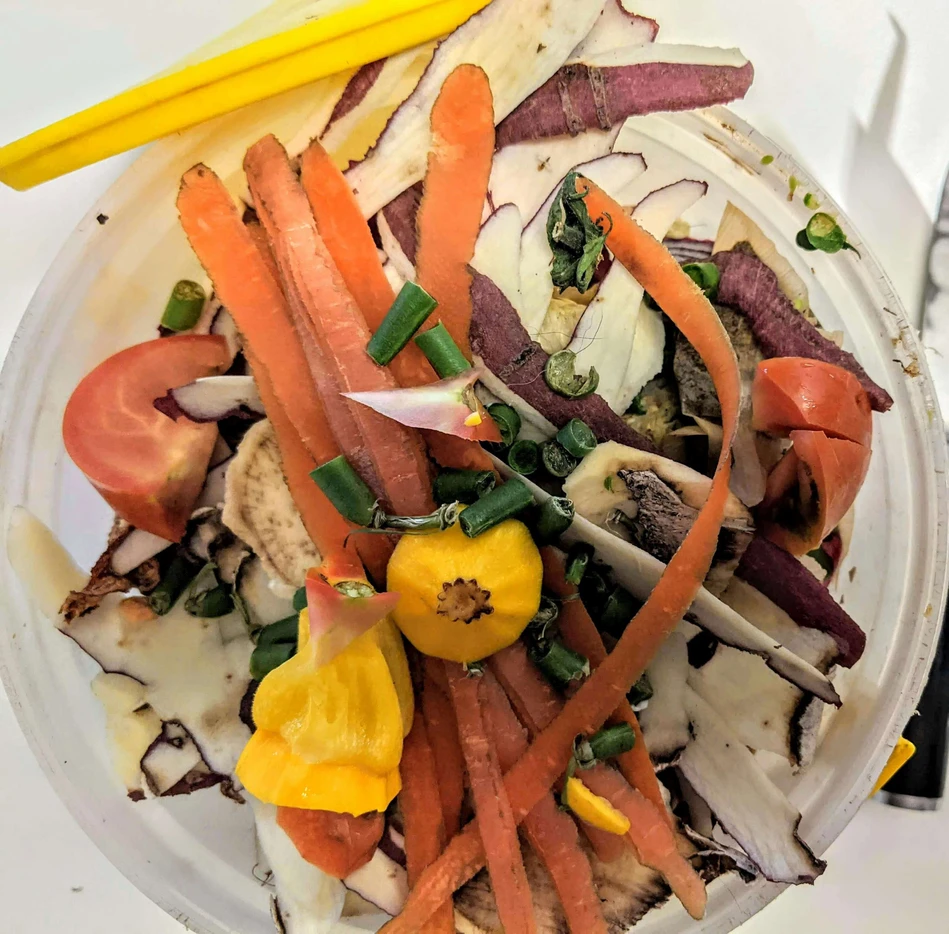
    • All Organic Food (Cooked or Raw): All food scraps, including fruit peels, vegetable scraps, and leftovers, are ideal for composting.
    • Compostable Tableware: Items made from bagasse (sugarcane fiber), such as plates and bowls, naturally break down in compost.
    • Eggshells: Eggshells contribute valuable calcium to compost.
    • Small Bones: Small bones, such as those from chicken or fish, can be composted and add essential minerals.
    • Specific Paper Products: Many paper products are compostable if they are not plastic-coated. These include:
      • Chopsticks: Wood chopsticks, which decompose naturally.
      • Coffee Cup Sleeves and Trays: Cardboard items are compostable.
      • Napkins and Paper Towels: Unbleached versions can be composted.
      • Paper Straws: These decompose naturally.
      • Paper Takeout Bags and Tray Liners: Compostable if not plastic-lined.
      • Wooden Takeout Cutlery: Biodegradable and compostable.

    Unacceptable Waste

    1. Chemicals: Toxic substances can harm the composting process and damage machinery.
    2. Coffee Cups: Most have a plastic lining that does not decompose properly, and can contaminate the compost.
    3. Cooking Oil or Frying Fat: Can coat machinery, causing malfunctions and disrupting the composting process.
    4. Course Woody Debris: Large branches or wood pieces can jam and damage the composters.
    5. Glass: Non-biodegradable and can damage composters.
    6. Large Bones & Shellfish: These take too long to decompose and can wear out machinery.
    7. Metal: Non-organic and can cause severe damage to composters.
    8. Plants or Roots: These can entangle around the machine’s pedals and damage the machinery.
    9. Plastic (Bags & Cutlery): Non-biodegradable and can contaminate the compost, in addition to not decomposing.
    10. Pure Liquids: Disrupt moisture balance and can cause corrosion in machinery.
    11. Toxic Substances: Harmful to both the composting process and equipment.
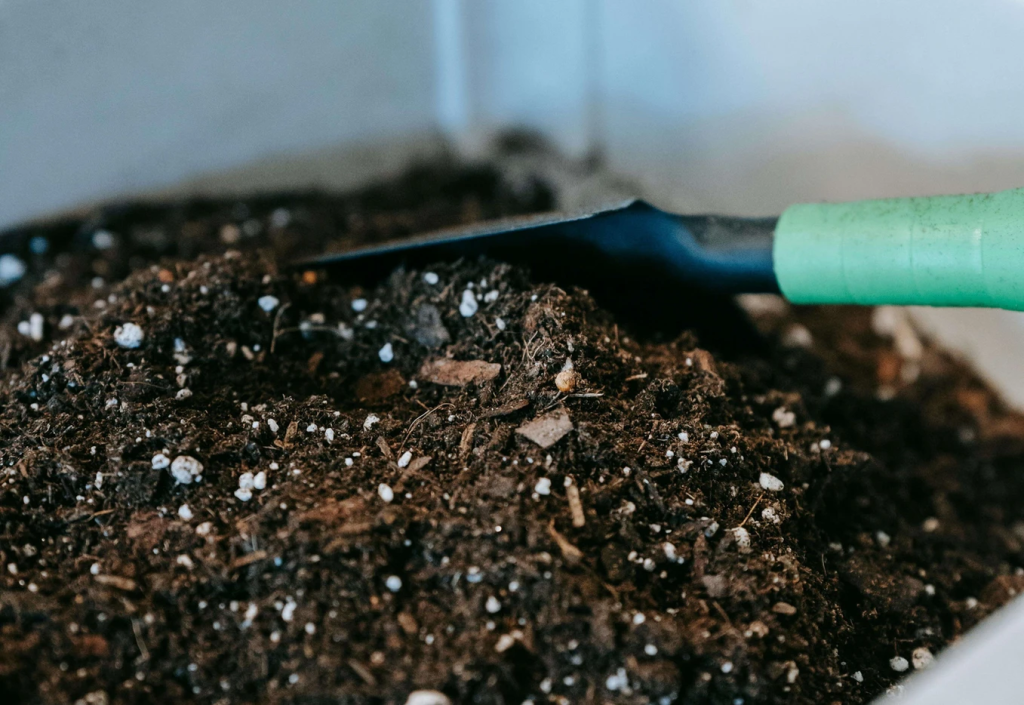
    A Guide to Compostable Waste

    Efficient Food Waste Management

    With the T-REX Composters relies on understanding acceptable materials. These commercial composters can process material by up to 80% in just 24 hours, making it crucial to avoid contaminants that could hinder this rapid composting process. By following these guidelines, businesses can ensure streamlined, safe, and sustainable food waste solutions. Being mindful of compostable materials and avoiding harmful contaminants will lead to richer, healthier soil amendment and a more sustainable future.
  • Safety Measures and Protocols for Your T-REX Composter

    Safety Measures and Protocols for Your T-REX Composter

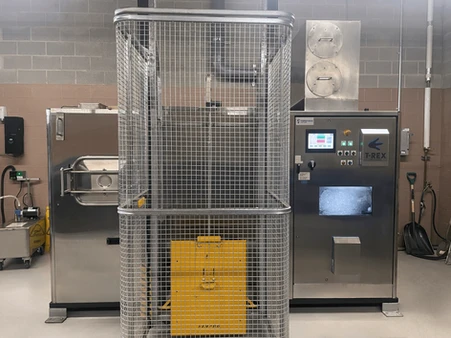
    Safety is paramount when operating the T-REX Composter. This guide outlines the critical safety measures and protocols necessary to ensure the secure and effective use of this advanced food waste composter.

    Safety Measures and Protocols for Your T REX Composter gallery image

    Installation and Training

    • Certified Technicians Only: Installation and any repair work on the T-REX Composter machine must be performed by a certified Terraforma Systems technician. Always ensure that the power is off and disconnected before any dismantling or repair work.
    • Trained Personnel: Only trained operators are permitted to use the machine. All operators must undergo comprehensive training and familiarize themselves with the User Manual. Keeping a copy of the manual near the machine ensures that safety and operational information is readily accessible.

    General Composter Safety Guidelines

    • Avoid Physical Contact: Never climb on top of or into the composter. Never insert limbs or foreign objects into the composter.
    • Water Precautions: Do not spray the composter with water.
    • Lockout Procedures: Always follow proper lockout procedures before servicing or maintenance.
    • Avoid Moving Parts: Do not touch any moving parts while the machine is in operation.

    Detailed Safety Measures

    • Approved Technicians: Installation and repair work must be done by qualified technicians. For any service and repair concerns, please contact us through our Contact Us page.
    • Trained Operators: Only personnel who have received proper training by a Terraforma Systems representative are allowed to operate the composter. It is crucial that all operators read and understand the User Manual thoroughly.
      • Hands-Free Operation: Never insert your hands into the machine while it is running.
      • Entry Prohibition: Operators should never enter the composter.
      • Maintenance Protocol: Follow the outlined maintenance protocol for powering off the machine and for tasks requiring two operators.
    • Approved Waste: The composter is designed for organic waste and compostable post-consumer packaging as specified in the User Manual. Operators must refuse contaminated material and follow site-specific procedures for dealing with contaminated waste to prevent damage to the machine.
    • PPE Recommendation: While not mandatory, using personal protective equipment (PPE) such as gloves and protective glasses is recommended during operation.

    Safety Mechanisms

    • Welded Mesh and Sheet-Metal Panel: These prevent personnel access to all moving parts on the tote lifter.
    • Safety Interlock System: This system disables the machine unless the tote lifter door is shut and electrically locks the door as soon as the tote leaves the ground.
    Safety Measures and Protocols for Your T REX Composter

    Emergency Stop Protocol

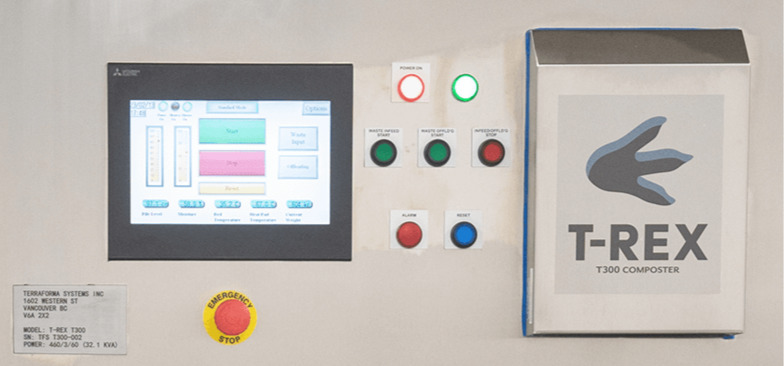
    In the event of a dangerous situation, immediately push the Emergency Stop Button to halt the machine. This button stops the operation to prevent harm or damage. To restart, pull the Emergency Stop Button out, but note that the composting process will not resume automatically. Refer to the User Manual for detailed instructions.

    Residual Hazards

    Despite the comprehensive safety measures, some hazards may remain. It is essential that operators are aware of these residual hazards and know how to prevent harm.

    Responsibilities of the Owner:

    • Training Monitoring: Ensure operators are trained and follow safety protocols.
    • Standard Operating Procedures (SOPs): Implement and enforce SOPs tailored to specific site needs.
    • Disciplinary Measures: Use appropriate measures to enforce SOPs.
    • Safety Signage: Post signage and floor markings to highlight hazards.
    • Safety Culture: Develop a culture of safety awareness and open communication within the workplace.

    By adhering to these safety guidelines and measures, businesses can ensure the safe and reliable operation of their T-REX Composter, contributing to effective food waste management and sustainability.

  • Soil Amendment: What It Is and How to Use It

    Soil Amendment: What It Is and How to Use It

    Soil amendments are a crucial practice for those seeking to optimize the health of their agricultural and garden soils. While natural soil can be inconsistent in nutrient levels, texture, and water retention, the use of soil amendments helps address these issues. The T-REX Composter, with its advanced technology, provides a sustainable way to create high-quality soil amendments, transforming organic waste into a valuable resources.Comprehensive Maintenance Plan for Your T-REX Composter

    Understanding Soil Amendment

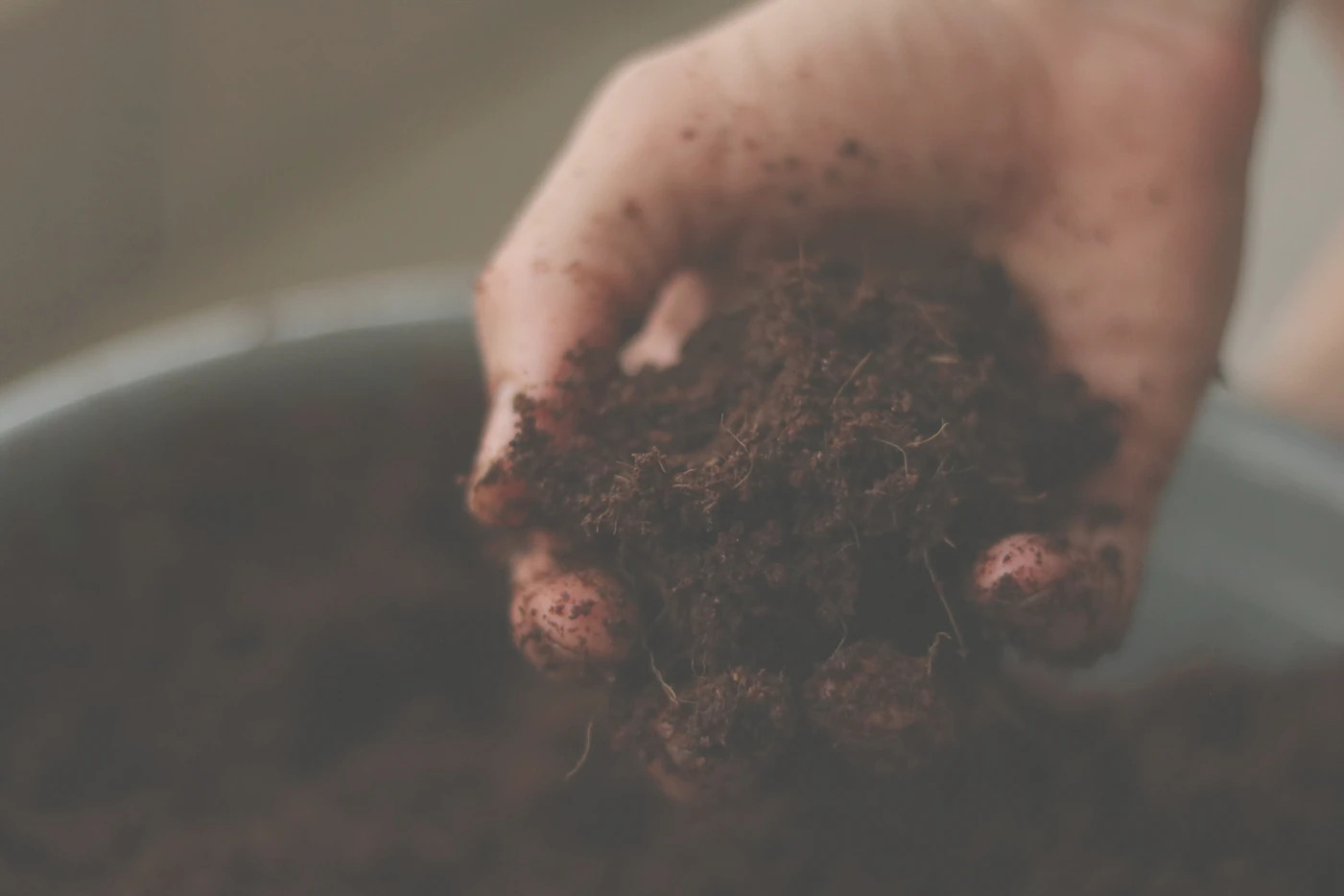
    Soil amendments are materials added to soil to improve its physical properties, nutrient content, and overall structure. Unlike fertilizers, which directly supply nutrients to plants, soil amendments enhance the soil’s capacity to support plant growth. This includes improving aeration, water retention, drainage, and nutrient availability. The T-REX Composter produces a rich compost that serves as an excellent soil amendment, offering a balanced blend of organic matter that boosts soil health.

    Why Soil Amendment Is Important

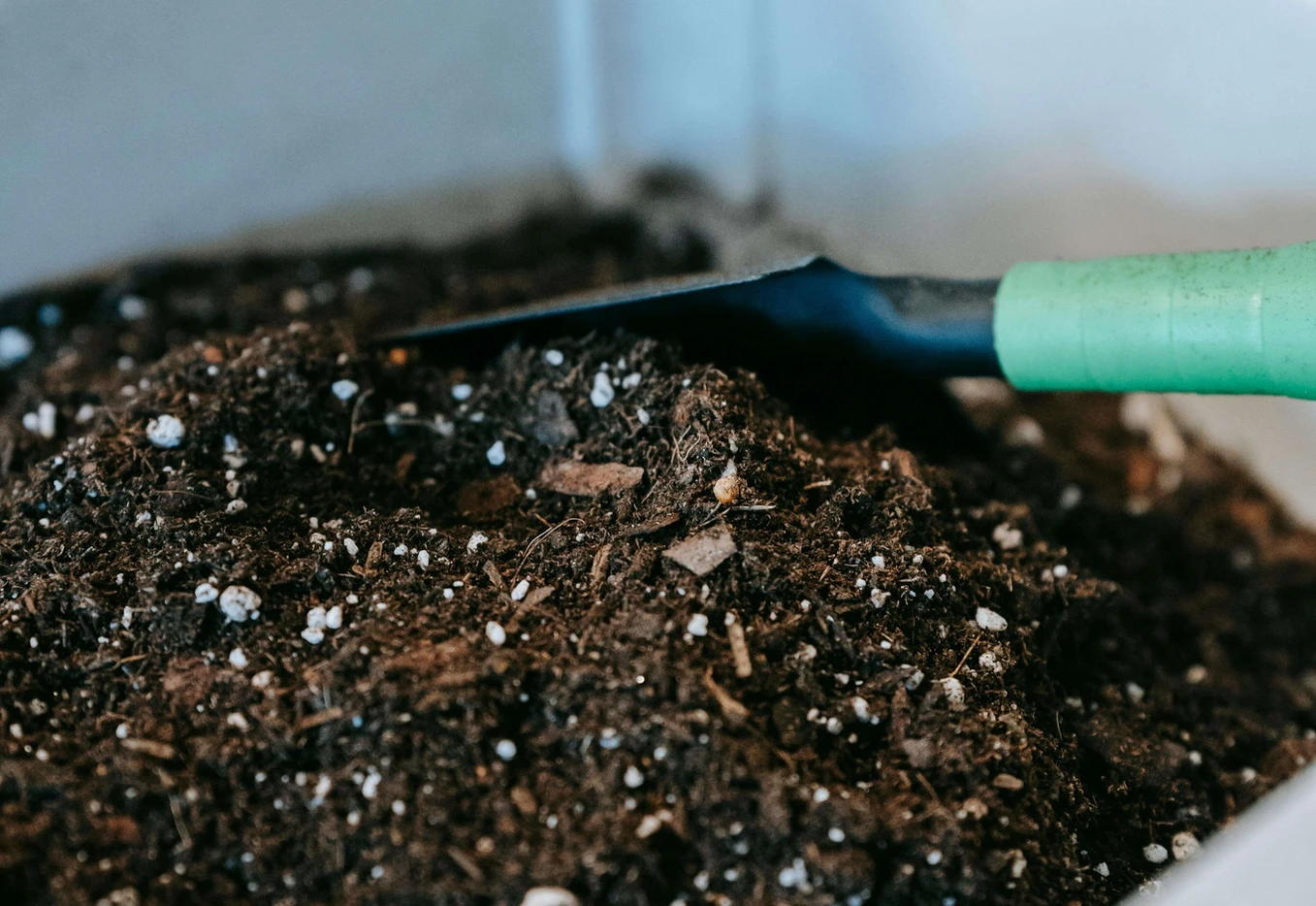
    Most soils are far from perfect. They can be too sandy, or simply lacking in organic matter. These conditions can lead to poor plant growth, waterlogging, or drought stress. Soil amendments help to address these issues by modifying the soil’s structure and composition. For instance, the compost generated by the T-REX Composter can loosen compacted soil, improving root penetration and water movement, while also helping sandy soils retain moisture and nutrients.

    How to Use Soil Amendment from the T-REX Composter

    Before applying any soil amendments, it’s essential to conduct a soil test to understand your soil’s needs. This will guide you in determining the right amount and type of amendment to use. Once you have your results, incorporating compost from the T-REX Composter is straightforward.

    For existing agricultural soils and garden beds, spread a layer of compost about 1-2 inches thick over the soil surface. Then, gently work it into the top few inches of soil. This method improves the soil structure and introduces essential nutrients gradually, promoting long-term soil fertility. In new areas with very poor soil, you can incorporate a thicker layer, around 2-4 inches, to give your plants the best possible start.

    The compost from the T-REX Composter is particularly effective because it is fully decomposed and rich in organic matter. It not only provides nutrients but also supports beneficial microbial activity in the soil, which is vital for plant health. Additionally, regular application of compost helps maintain soil structure, preventing compaction and ensuring that your plants receive the water and nutrients they need.

    Benefits of Regular Soil Amendment

    Using compost from the T-REX Composter as a soil amendment offers numerous benefits. It enhances soil fertility by adding essential nutrients and organic matter, improves soil texture, and increases the soil’s ability to retain moisture. Over time, this leads to healthier plants, higher yields, and a more resilient farmland and garden ecosystem.

    Moreover, by using compost as a soil amendment, you contribute to sustainable gardening practices. The T-REX Composter turns food scraps and other organic waste into a valuable resource, reducing landfill waste and promoting a circular approach to agriculture and gardening. This not only benefits your garden but also helps in conserving natural resources and protecting the environment.

    Soil Amendment gallery image

    In Summary

    Soil amendments are an essential practice for any farmer or gardener looking to improve soil health and plants. The T-REX Composter provides a convenient and eco-friendly way to produce high-quality compost, which can be used to amend your soil effectively. By regularly incorporating this compost into your land and garden, you can create a fertile, well-structured soil that supports plant growth and a thriving farmland and garden ecosystems.

  • Mapleview Shopping Centre Turns Sustainability Goals into Real Savings with On-Site Composting

    Mapleview Shopping Centre Turns Sustainability Goals into Real Savings with On-Site Composting

    At Mapleview Shopping Centre, sustainability is more than just a buzzword—it’s a mission that drives real change. Faced with the challenge of high organic waste hauling costs, and ambitious sustainability goal of achieving 80% waste diversion and achieving Net Zero Carbon by 2040, they needed to find a way to meet their environmental goals while keeping their operations efficient. The solution came with the introduction of on-site composting, which not only aligned with their sustainability vision but also resulted in significant cost savings.

    Sustainability That Pays Off

    Traditional methods of hauling organic waste long distances were expensive and counterproductive to their emissions reduction goals. By processing organic waste on-site with the T-REX Composter, Mapleview reduced transportation needs, cut emissions, and made substantial progress toward their waste diversion targets.

    Within the first few months of the T-REX’s operation, Mapleview Shopping Centre reduced their organics hauling frequency from twice a week to once every two weeks, cutting organics hauling costs by 75%. They are on track to achieve substantial savings within their first year of operation.

    The integration of the T-REX Composter has proven to be a game-changer in their sustainability efforts. It’s an example of how smart solutions can turn environmental responsibility into operational efficiency, and how investing in green technology can yield both environmental and financial returns.

    Shifting Mindsets Across the Centre

    The impact of the on-site composting program goes beyond just logistics. Positioned in a visible, high-traffic area within the building, the T-REX Composter has sparked a shift in how tenants and staff approach waste management. Having the system in a central location fosters engagement and responsibility among tenants, helping to ensure proper waste sorting.

    Small but impactful changes, like adding magnets to bins to catch stray cutlery, helped reduce contamination levels, which have dropped significantly. This improvement has ensured that the compost produced is of the highest quality, reinforcing Mapleview’s commitment to sustainability and operational excellence.

    Building a Circular Future

    Mapleview is not stopping here. Looking ahead, they plan to introduce Hosted Sorting Stations for food court waste, further increasing their diversion rates and reducing the amount of waste sent to landfills. These stations will be managed by staff to ensure all consumer waste is correctly sorted into appropriate categories, significantly reducing contamination and capturing food waste that would have otherwise ended up in the garbage. 

    They are also exploring partnerships with local gardens to distribute the high-quality compost, keeping the benefits within the community and reducing external hauling even further. These efforts align with their broader vision of creating a circular economy—where waste is transformed into a resource and sustainability becomes a natural part of business operations. 

    What’s Next for  Mapleview?

    Mapleview’s success story illustrates how sustainability can drive long-term value. By turning organic waste into a resource and cutting operational costs, they’ve positioned themselves as leaders in both environmental responsibility and business efficiency. They’ve proven that by making sustainable changes today, businesses can create lasting benefits for both the planet and their bottom line.

    Curious about how they did it? Download the full success story to dive deeper into how Mapleview achieved their sustainability goals and saved costs through on-site composting.

    Would On-Site Composting Work for Your Property?

    Take a quick quiz to see if an on-site composting solution could benefit your property:

    1. Does your property experience high hauling costs for organic waste?
    2. Are you aiming to reach specific sustainability or waste diversion targets?
    3. Would reducing the frequency of waste hauling trips improve your operations?
    4. Are you facing contamination issues with your current waste sorting methods?
    5. Do you want to increase tenant engagement in sustainability efforts?

    If you answered ‘Yes’ to any of these questions, on-site composting could be a smart, sustainable solution for your property.