Tag: food waste

  • Safety Measures and Protocols for Your T-REX Composter

    Safety Measures and Protocols for Your T-REX Composter

    Safety is paramount when operating the T-REX Composter. This guide outlines the critical safety measures and protocols necessary to ensure the secure and effective use of this advanced food waste composter.
    Safety Measures and Protocols for Your T REX Composter gallery image

    Installation and Training

    • Certified Technicians Only: Installation and any repair work on the T-REX Composter machine must be performed by a certified Terraforma Systems technician. Always ensure that the power is off and disconnected before any dismantling or repair work.
    • Trained Personnel: Only trained operators are permitted to use the machine. All operators must undergo comprehensive training and familiarize themselves with the User Manual. Keeping a copy of the manual near the machine ensures that safety and operational information is readily accessible.

    General Composter Safety Guidelines

    • Avoid Physical Contact: Never climb on top of or into the composter. Never insert limbs or foreign objects into the composter.
    • Water Precautions: Do not spray the composter with water.
    • Lockout Procedures: Always follow proper lockout procedures before servicing or maintenance.
    • Avoid Moving Parts: Do not touch any moving parts while the machine is in operation.

    Detailed Safety Measures

    • Approved Technicians: Installation and repair work must be done by qualified technicians. For any service and repair concerns, please contact us through our Contact Us page.
    • Trained Operators: Only personnel who have received proper training by a Terraforma Systems representative are allowed to operate the composter. It is crucial that all operators read and understand the User Manual thoroughly.
      • Hands-Free Operation: Never insert your hands into the machine while it is running.
      • Entry Prohibition: Operators should never enter the composter.
      • Maintenance Protocol: Follow the outlined maintenance protocol for powering off the machine and for tasks requiring two operators.
    • Approved Waste: The composter is designed for organic waste and compostable post-consumer packaging as specified in the User Manual. Operators must refuse contaminated material and follow site-specific procedures for dealing with contaminated waste to prevent damage to the machine.
    • PPE Recommendation: While not mandatory, using personal protective equipment (PPE) such as gloves and protective glasses is recommended during operation.

    Safety Mechanisms

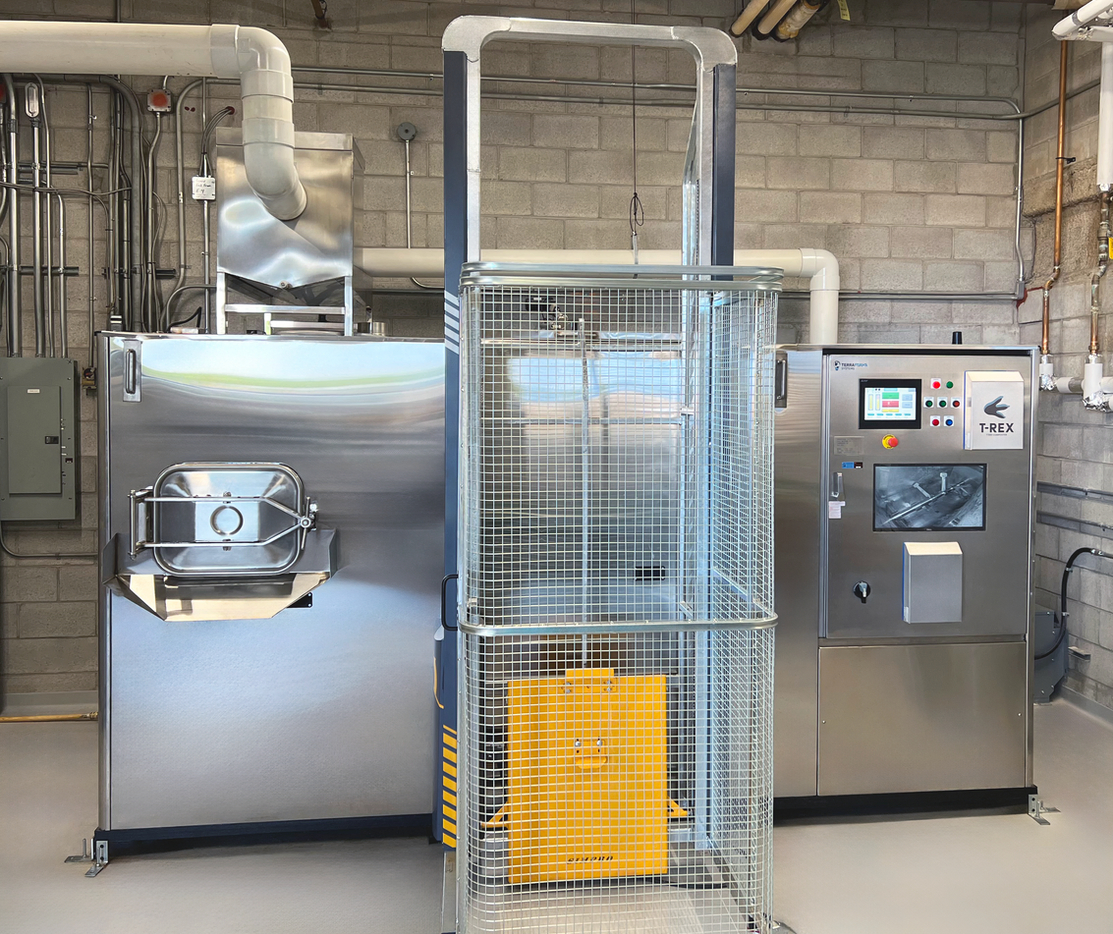
    • Welded Mesh and Sheet-Metal Panel: These prevent personnel access to all moving parts on the tote lifter.
    • Safety Interlock System: This system disables the machine unless the tote lifter door is shut and electrically locks the door as soon as the tote leaves the ground.
    Safety Measures and Protocols for Your T REX Composter

    Emergency Stop Protocol

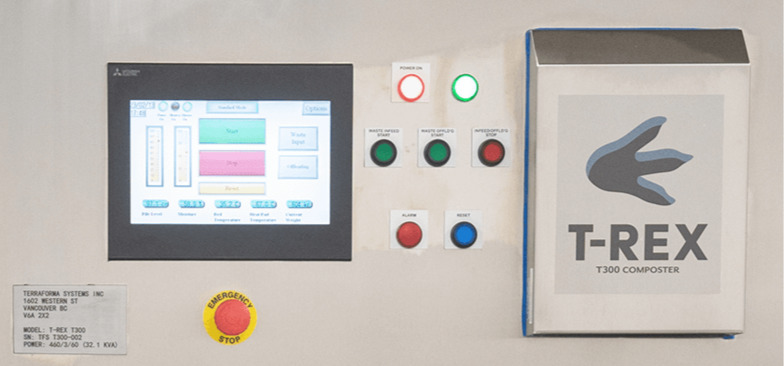
    In the event of a dangerous situation, immediately push the Emergency Stop Button to halt the machine. This button stops the operation to prevent harm or damage. To restart, pull the Emergency Stop Button out, but note that the composting process will not resume automatically. Refer to the User Manual for detailed instructions.

    Residual Hazards

    Despite the comprehensive safety measures, some hazards may remain. It is essential that operators are aware of these residual hazards and know how to prevent harm.

    Responsibilities of the Owner:

    • Training Monitoring: Ensure operators are trained and follow safety protocols.
    • Standard Operating Procedures (SOPs): Implement and enforce SOPs tailored to specific site needs.
    • Disciplinary Measures: Use appropriate measures to enforce SOPs.
    • Safety Signage: Post signage and floor markings to highlight hazards.
    • Safety Culture: Develop a culture of safety awareness and open communication within the workplace.

    By adhering to these safety guidelines and measures, businesses can ensure the safe and reliable operation of their T-REX Composter, contributing to effective food waste management and sustainability.
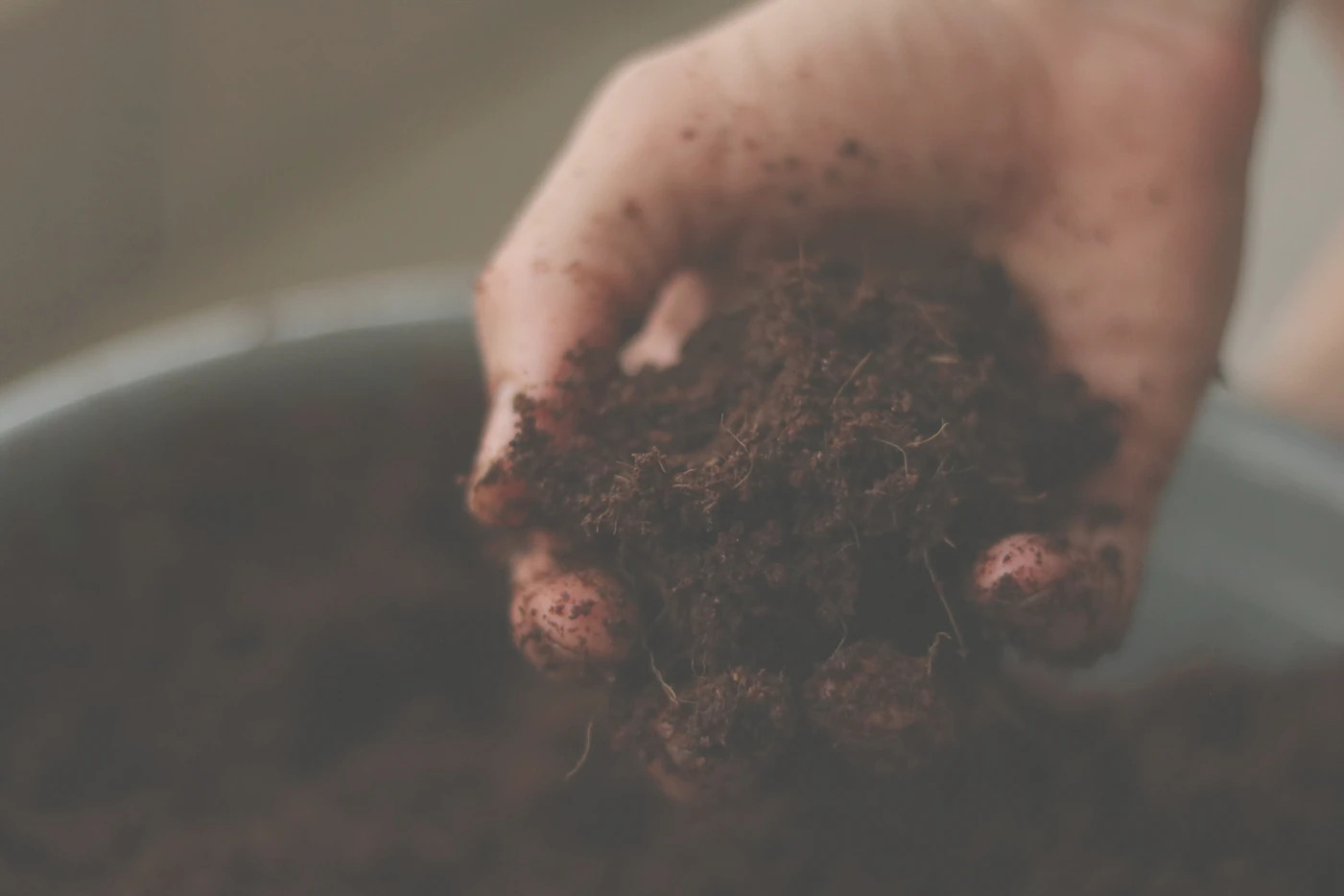

  • Soil Amendment: What It Is and How to Use It

    Soil Amendment: What It Is and How to Use It

    Soil amendments are a crucial practice for those seeking to optimize the health of their agricultural and garden soils. While natural soil can be inconsistent in nutrient levels, texture, and water retention, the use of soil amendments helps address these issues. The T-REX Composter, with its advanced technology, provides a sustainable way to create high-quality soil amendments, transforming organic waste into a valuable resources.Comprehensive Maintenance Plan for Your T-REX Composter

    Understanding Soil Amendment

    Soil amendments are materials added to soil to improve its physical properties, nutrient content, and overall structure. Unlike fertilizers, which directly supply nutrients to plants, soil amendments enhance the soil’s capacity to support plant growth. This includes improving aeration, water retention, drainage, and nutrient availability. The T-REX Composter produces a rich compost that serves as an excellent soil amendment, offering a balanced blend of organic matter that boosts soil health.

    Why Soil Amendment Is Important

    Most soils are far from perfect. They can be too sandy, or simply lacking in organic matter. These conditions can lead to poor plant growth, waterlogging, or drought stress. Soil amendments help to address these issues by modifying the soil’s structure and composition. For instance, the compost generated by the T-REX Composter can loosen compacted soil, improving root penetration and water movement, while also helping sandy soils retain moisture and nutrients.

    How to Use Soil Amendment from the T-REX Composter

    Before applying any soil amendments, it’s essential to conduct a soil test to understand your soil’s needs. This will guide you in determining the right amount and type of amendment to use. Once you have your results, incorporating compost from the T-REX Composter is straightforward.

    For existing agricultural soils and garden beds, spread a layer of compost about 1-2 inches thick over the soil surface. Then, gently work it into the top few inches of soil. This method improves the soil structure and introduces essential nutrients gradually, promoting long-term soil fertility. In new areas with very poor soil, you can incorporate a thicker layer, around 2-4 inches, to give your plants the best possible start.

    The compost from the T-REX Composter is particularly effective because it is fully decomposed and rich in organic matter. It not only provides nutrients but also supports beneficial microbial activity in the soil, which is vital for plant health. Additionally, regular application of compost helps maintain soil structure, preventing compaction and ensuring that your plants receive the water and nutrients they need.

    Benefits of Regular Soil Amendment

    Using compost from the T-REX Composter as a soil amendment offers numerous benefits. It enhances soil fertility by adding essential nutrients and organic matter, improves soil texture, and increases the soil’s ability to retain moisture. Over time, this leads to healthier plants, higher yields, and a more resilient farmland and garden ecosystem.

    Moreover, by using compost as a soil amendment, you contribute to sustainable gardening practices. The T-REX Composter turns food scraps and other organic waste into a valuable resource, reducing landfill waste and promoting a circular approach to agriculture and gardening. This not only benefits your garden but also helps in conserving natural resources and protecting the environment.

    Soil Amendment gallery image

    In Summary

    Soil amendments are an essential practice for any farmer or gardener looking to improve soil health and plants. The T-REX Composter provides a convenient and eco-friendly way to produce high-quality compost, which can be used to amend your soil effectively. By regularly incorporating this compost into your land and garden, you can create a fertile, well-structured soil that supports plant growth and a thriving farmland and garden ecosystems.

  • Why Companies Are Switching to On-Site Composting

    Why Companies Are Switching to On-Site Composting

    In today’s world, where sustainability and cost-efficiency are paramount, businesses across various industries are increasingly adopting on-site composting solutions. While environmental benefits such as waste reduction and soil enhancement are significant drivers, a primary motivator for this shift is the substantial cost savings associated with reducing or eliminating the need to haul organic and post-consumer packaging waste to external composting facilities. This article explores why companies are making the switch to on-site composting and how this decision is reshaping waste management practices.

    Cost Savings and Waste Management Efficiency

    One of the most compelling reasons businesses are transitioning to on-site composting is the potential for substantial cost savings. Traditional waste management methods often involve significant fees for hauling organic and post-consumer packaging waste to off-site facilities. These costs can quickly add up, especially for businesses generating large volumes of waste.

    By implementing on-site composting systems, such as the T-REX Series Composters, companies can drastically reduce these hauling fees. This not only helps to cut operational costs but also frees up resources for other critical areas of the business. On-site composting also enhances waste management efficiency by streamlining waste handling processes and simplifying waste disposal logistics. This results in smoother operations and fewer disruptions, providing a more controlled and predictable waste management system.

    Environmental Benefits: Sustainability and Reduced Carbon Footprint

    On-site composting offers significant environmental benefits that extend beyond cost savings. One major advantage is its contribution to sustainability. By diverting organic waste from landfills, companies can significantly reduce their environmental impact. Organic waste decomposing in landfills generates methane (CH4), a potent greenhouse gas that contributes to climate change.

    On-site composting converts organic waste into nutrient-rich soil amendment, helping to mitigate this issue and support local ecosystems. Reducing the carbon footprint is another critical benefit of on-site composting. Managing organic waste on-site reduces the need for waste transportation, thereby lowering carbon emissions from transportation vehicles. This aligns with broader sustainability goals and helps businesses meet the increasing environmental regulations and standards.

    Enhanced Soil Health and Odor Management

    On-site composting systems offer practical advantages for businesses as well. The soil amendment produced can be used to enhance soil health, which is particularly beneficial for companies with green spaces, landscaping needs, or agricultural operations. The nutrient-rich soil amendment improves soil quality, boosts plant growth, and reduces the need for synthetic fertilizers, leading to healthier plants and more vibrant green spaces.

    Additionally, on-site composting systems can effectively manage and reduce odors associated with organic waste. Properly managed composting processes use advanced aeration and decomposition methods to minimize unpleasant smells. This not only enhances the working environment for employees but also improves the overall experience for clients and visitors.

    Strategies for Successful Implementation

    To effectively implement on-site composting, businesses should consider a few key strategies. Conducting a waste audit is essential to understanding the volume and types of organic waste generated. This information will guide the selection of the most suitable composting system for the company’s needs.

    Engaging employees through training programs can also foster a culture of sustainability and ensure proper waste separation. Collaborating with waste management experts and composting technology providers, such as the Terraforma Systems team with the T-REX Series Composters, can further streamline the implementation process. These partnerships offer valuable insights and support, making it easier for businesses to integrate on-site composting into their operations.

    Transforming Waste Management Through On-Site Composting

    The shift towards on-site composting such as the T-REX Composter represents a transformative change in how businesses manage their organic and post-consumer packaging waste. By embracing this approach, companies can achieve significant cost savings, enhance their environmental sustainability, and improve operational efficiency. As more businesses recognize the benefits of on-site composting, this practice is likely to become increasingly prevalent, contributing to a more sustainable and resource-efficient future.

  • Taking Control of Your Organic Waste Process— Why Relying Solely on External Contractors May Be Holding You Back

    Taking Control of Your Organic Waste Process— Why Relying Solely on External Contractors May Be Holding You Back

    Meeting sustainability goals is a growing priority for businesses, andwaste management is a crucial part of that effort. However, relying only on external contractors to handle organic waste processes can present challenges that make it difficult to meet these targets. From inconsistent service to regional limitations, outsourcing waste management often means losing the control necessary to drive measurable change. Here’s why managing your organic waste process internally might be the solution.

    The Limitations of Relying on External Contractors

    External contractors often have set processes and timelines that don’t always align with your sustainability goals. While they can help with waste removal, many businesses find that these services aren’t tailored to their specific needs, especially when it comes to reducing emissions or reaching diversion targets. Service providers may focus more on logistics than on achieving the kind of deep environmental impact that companies desire.

    Moreover, depending on where your business is located, you might face regional limitations regarding recycling or composting services. In some areas, external contractors may not offer the services you need, or those services might not be consistent. This makes it challenging to track and report on sustainability progress with accuracy.​

    Why Taking Control of Your Organic Waste Process Matters

    To meet sustainability targets, companies need a more reliable, transparent way to manage their waste. Implementing internal waste solutions, like on-site composting or waste tracking systems, allows businesses to gain full control over their processes. This not only ensures that sustainability goals are met, but also gives companies the ability to monitor and adjust their practices as needed.

    For example, having an on-site composting system like the T-REX Composter can drastically reduce the reliance on external hauling services,cutting transportation costs and lowering emissions. It also helps companies more accurately track their waste diversion efforts, providing the data needed to demonstrate real progress toward sustainability goals.​

    Benefits of Internal Waste Management Solutions

    Taking control of your organic waste process internally comes with several key benefits. For one, it allows you to customize your approach. Whether it’s waste diversion, or carbon reduction you can ensure that your strategy aligns with your specific sustainability targets.

    Internal waste management solutions also make it easier to integrate technology that can help streamline operations. Real-time data tracking and automated reporting ensure that your company stays on top of waste reduction goals and can adjust strategies quickly if needed. This data-driven approach also gives businesses the insight they need to optimize their waste practices, improve efficiency, and make smarter decisions.

    Achieving SustainabilityGoals with Internal Control

    By managing waste internally, businesses are able to meet sustainability goals more effectively. It’s easier to adjust your organic waste process to meet changing needs and to address gaps in service when you have direct control. The transparency and data provided by internal solutions ensure that progress can be tracked and adjusted, giving companies the confidence that they’re on the right path.

    More importantly, taking control of your organic waste process fosters a culture of sustainability within the company. Employees are more likely to engage with and support sustainability initiatives when they see the direct impact of their actions on the business’s environmental footprint.

    Internal Solutions Drive Consistent Results

    While relying on external contractors may seem convenient, it often leads to inconsistencies and gaps in meeting sustainability targets. By taking control of your organic waste process internally, you can ensure your strategies align with your sustainability goals. Internal solutions, such as on-site composting and waste tracking technologies, offer greater flexibility, efficiency, and accountability—helping your business make tangible progress toward a greener future.

    Investing in internal waste management solutions isn’t just about reducing dependence on external contractors; it’s about creating a sustainable, efficient, and data-driven process that drives real results. The benefits are clear: greater control, better cost management, and a more resilient approach to meeting your environmental goals.

  • Transform Waste into Opportunity with On-Site Composting

    Transform Waste into Opportunity with On-Site Composting

    Imagine a busy food court or office cafeteria where trays of leftover food are tossed into the trash, bound for a landfill. This is a common sight in many places. Now, consider an alternative where those scraps never leave the building. Instead of being discarded, they are transformed into something valuable right on-site. This is the potential of on-site composting, offering a practical and sustainable solution for managing organic waste.

    The Composting Process

    Composting is nature’s way of recycling organic materials such as food scraps into nutrient-rich soil amendment. Items often seen as waste, including vegetable peels and coffee grounds, become valuable resources through this process. Rather than contributing to landfills, these materials enrich the soil and support plant growth.

    Microbes are the driving force behind composting. When organic waste is collected and placed in a composting system, these organisms immediately begin breaking it down. Initially, the process remains cool as softer materials like fruit peels decompose. Over time, the compost heats up, breaking down tougher materials while eliminating harmful pathogen.

    Aeration is essential to the process. Without oxygen, decomposition slows and unpleasant odors can develop. Regularly turning the compost or using a system with built-in aeration keeps oxygen circulating, ensuring efficient breakdown and odor control.

    On-Site Composting for Your Business

    Before implementing on-site composting, it is important to determine if your business produces enough organic waste to make it effective. Consider whether your building generates a steady stream of food scraps and if there is enough space to accommodate a composting system, keeping in mind that Terraforma Systems offers several different machine sizes depending on your building needs and requirements.

    Businesses with a consistent flow of organic waste can benefit from reduced waste hauling costs and enhanced sustainability practices. On-site composting is an ideal solution for organizations committed to reducing their environmental impact while managing waste more efficiently.

    The Journey of Waste to Compost

    The process begins when organic waste, such as banana peels, eggshells, or coffee grounds, enters the composter. Businesses and malls often place designated bins in food courts, cafeterias, kitchens, or outdoor areas to collect these scraps. Inside the composter, microbes break down the organic material into simpler compounds, eventually forming a nutrient-rich and dark soil amendment.

    As decomposition continues, heat naturally builds up, accelerating the breakdown process and eliminating harmful pathogens. Many composting systems include aeration features to keep microbes active and prevent odors, making the process efficient and clean.

    The Benefits of Using The Output Soil Amendment

    Within up to 24 hours, the organic material transforms into dark, crumbly soil amendment that is ready to be used to enrich soil after treatment. This nutrient-packed product can be used to enhance landscaping, gardens, or urban farms, reducing the need for chemical fertilizers.

    Businesses with large campuses or green spaces can use compost to maintain their grounds sustainably. In urban areas, excess compost can be donated to community gardens, supporting local food production and fostering stronger community ties. On-site composting not only reduces waste but also creates a positive environmental impact.

    Reducing Costs and Environmental Impact

    On-site composting helps businesses save on waste hauling expenses by eliminating the need to transport food scraps to external facilities. This approach reduces transportation costs and disposal fees, providing a cost-effective waste management solution.

    By sending less organic waste to landfills, businesses also cut methane emissions, a significant contributor to climate change. On-site composting helps lower a company’s carbon footprint while demonstrating a strong commitment to sustainability.

    Supporting the Circular Economy

    On-site composting supports the circular economy by viewing waste as a resource rather than something to be discarded. Businesses that adopt this approach demonstrate leadership in sustainability, which resonates with eco-conscious clients and consumers. By transforming waste into a valuable resource, companies contribute to a healthier planet and enhance their brand image.

    A Step Toward Sustainability

    On-site composting goes beyond waste reduction by reshaping how businesses view organic material. Instead of discarding valuable resources, companies can turn them into a product that nourishes the environment, reduces costs, and supports sustainability efforts. This simple yet impactful step transforms waste into an asset, benefitting both the business and the planet.