

Tag: hosted sorting station

  • Fostering a Green Company Culture Through Employee Engagement in Sustainability

    Fostering a Green Company Culture Through Employee Engagement in Sustainability

    Sustainability isn’t just a talking point—it’s a practical necessity for companies aiming to thrive while making a positive impact. But sustainability efforts are only as strong as the people behind them. That’s why engaging employees is critical, and the T-REX Composter provides the perfect tool to bring sustainability to life. By turning food waste into nutrient-rich compost on-site, the T-REX Composter makes sustainability tangible, empowering employees to actively participate in reducing waste and improving environmental outcomes.

    Hands holding a wooden tray with three small plant seedlings in brown pots. Neutral background, focus on growth and nurturing. Cultivating green company culture.

    Why the T-REX Composter Drives Employee Engagement

    A Hands-On Sustainability Tool

    The T-REX Composter turns sustainability into something employees can see, touch, and contribute to daily. Instead of simply disposing of food waste, employees become part of a process that transforms waste into valuable compost. However, it’s important to note that only designated operators are authorized to run the machine. This ensures safe and efficient operation while maintaining employee involvement in waste separation and sustainability efforts.

    A Visible Commitment to Sustainability

    When employees see a T-REX Composter in action, it’s a clear signal that the company is serious about reducing its environmental footprint. Unlike temporary campaigns or generic recycling programs, the T-REX Composter is a long-term, impactful solution that shows sustainability is embedded in the company’s operations—not just a box to check.

    Inspiring Innovation and Ownership

    Employees involved in waste separation and tracking composting results often generate new ideas for reducing waste and utilizing compost effectively. Whether it’s streamlining waste collection or finding creative ways to use the finished compost, the T-REX Composter inspires innovation and gives employees a sense of ownership in sustainability initiatives.

    Building Team Spirit

    The T-REX Composter fosters collaboration. From organizing waste separation systems to tracking composting progress, employees work together to achieve sustainability goals. This teamwork boosts morale and strengthens bonds, creating a unified culture around shared environmental values.

    Making Sustainability Part of Daily Operations with the T-REX Composter

    Educate and Involve Employees

    Introduce the T-REX Composter to your team through hands-on demonstrations or workshops. Show them how food waste is processed and turned into compost, emphasizing the environmental and financial benefits. While employees play a key role in sustainability efforts, only trained operators handle the machine itself to ensure safety and compliance.

    Integrate Composting into Routine Tasks

    Make the T-REX Composter part of employees’ everyday workflows by establishing easy-to-use waste separation systems. While only operators manage the machine, employees can actively contribute by sorting waste properly and ensuring materials are compostable. This integration normalizes sustainability as a daily practice.

    Set Clear Goals and Track Progress

    Define measurable goals for your T-REX Composter, such as reducing landfill waste by a specific percentage or producing a certain amount of compost. Share progress with employees regularly to keep them engaged and celebrate milestones together.

    Encourage Employee-Led Initiatives

    Empower employees to take charge of sustainability projects, like managing waste streams or finding uses for the compost produced. While only trained operators can run the machine, broader employee involvement builds a sense of ownership and ensures the program’s long-term success.

    The T-REX Difference

    Adopting the T-REX Composter doesn’t just benefit the environment—it transforms your company’s approach to sustainability:

    • Tangible Environmental Impact: Divert significant amounts of organic waste from landfills while reducing greenhouse gas emissions.
    • Cost Savings: Eliminate or minimize waste hauling costs while generating a valuable soil amendment for landscaping or community projects.
    • Boosting Employee Engagement: Provide a practical way for employees to contribute to sustainability efforts, increasing their connection to the company’s mission.
    • Reputation Building: Demonstrate leadership in sustainability to customers, stakeholders, and the wider community.

    A Shared Mission

    Incorporating the T-REX Composter into your operations is more than an environmental initiative—it’s a catalyst for cultural change. By involving employees in waste transformation and sustainability efforts, you create a workplace where everyone feels invested in making a difference. While the T-REX is operated exclusively by trained personnel, its presence and impact inspire employee engagement in sustainability. The T-REX Composter isn’t just a tool; it’s a bridge between company goals and employee action, driving meaningful progress for your business and the planet.
  • Hosted Sorting Stations— A Key to Sustainable Waste Management

    Hosted Sorting Stations— A Key to Sustainable Waste Management

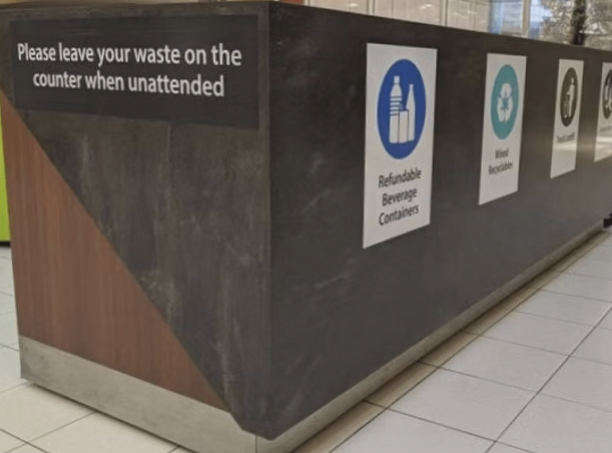
    Hosted sorting stations are emerging as an integral solution to improving waste management in high-traffic areas like food courts, and malls. These systems combine human oversight with innovative waste diversion techniques to minimize landfill contributions, reduce contamination in recycling, and align with environmental regulations.

    What Are Hosted Sorting Stations?

    Hosted sorting stations are designated areas where one can dispose of waste under guidance. Unlike traditional waste bins, these stations often include multiple clearly marked receptacles for organics, recyclables, and landfill waste. Staff members stationed there help ensure waste is sorted correctly, preventing common mistakes that contaminate recycling streams. Some systems are enhanced with signage or digital displays to educate users on proper disposal practices.

    Environmental and Operational Benefits

    Waste Diversion

    Hosted sorting stations significantly improve waste diversion rates by ensuring organics and recyclables are properly separated from non-recyclable waste. This not only reduces landfill waste but also supports broader on-site composting and recycling goals.

    Sustainability Goals

    With initiatives like Canada’s Zero Plastic Waste mandate by 2030 and regional organic waste bans, these stations help public spaces comply with environmental regulations. Facilities that implement these systems report reduced environmental footprints and improved waste management efficiency.

    Material Reuse

    Hosted sorting stations are often built with recycled or sustainable materials, such as high-density polyethylene (HDPE) plastics. This approach aligns the construction of sorting stations with their purpose—reducing waste throughout the entire lifecycle.

    Educational Opportunities

    Sorting stations serve a dual purpose as both waste management tools and educational platforms. By providing clear instructions and real-time assistance, these stations foster public awareness about sustainable practices. The presence of trained personnel can also encourage behavioral changes, transforming how people view waste disposal in public settings.

    Challenges and Opportunities

    Challenges

    Engagement

    Encouraging users to actively participate in waste sorting can be difficult, especially in fast-paced environments like food halls.

    Costs

    Staffing and maintaining these systems involve operational expenses that some facilities might find challenging to justify without external funding or subsidies.

    Opportunities

    Regulatory Compliance

    As governments tighten waste disposal regulations, hosted sorting stations are a proactive way for businesses to align with new requirements.

    Branding and Public Image

    Facilities that adopt these stations position themselves as sustainability leaders, which can attract eco-conscious customers and boost community efforts.

    Future Directions

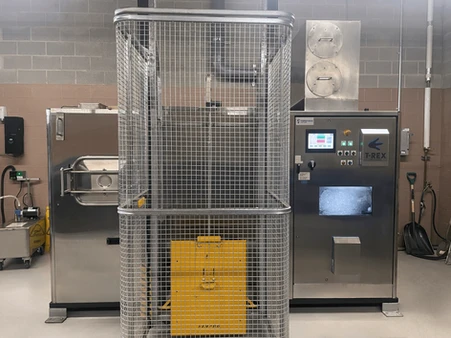
    Looking forward, hosted sorting stations will continue to evolve as an effective way to reduce waste contamination and improve diversion rates. Incorporating solutions like the T-REX Composter enhances these efforts by processing organic waste on-site, turning it into valuable soil amendments and supporting sustainability goals.

    By combining practical solutions with education and innovation, hosted sorting stations represent a pivotal step in tackling the global waste crisis. Whether reducing contamination, supporting waste diversion, or meeting sustainability mandates, these stations are setting the stage for a greener future.

  • Mapleview Shopping Centre Turns Sustainability Goals into Real Savings with On-Site Composting

    Mapleview Shopping Centre Turns Sustainability Goals into Real Savings with On-Site Composting

    At Mapleview Shopping Centre, sustainability is more than just a buzzword—it’s a mission that drives real change. Faced with the challenge of high organic waste hauling costs, and ambitious sustainability goal of achieving 80% waste diversion and achieving Net Zero Carbon by 2040, they needed to find a way to meet their environmental goals while keeping their operations efficient. The solution came with the introduction of on-site composting, which not only aligned with their sustainability vision but also resulted in significant cost savings.

    Sustainability That Pays Off

    Traditional methods of hauling organic waste long distances were expensive and counterproductive to their emissions reduction goals. By processing organic waste on-site with the T-REX Composter, Mapleview reduced transportation needs, cut emissions, and made substantial progress toward their waste diversion targets.

    Within the first few months of the T-REX’s operation, Mapleview Shopping Centre reduced their organics hauling frequency from twice a week to once every two weeks, cutting organics hauling costs by 75%. They are on track to achieve substantial savings within their first year of operation.

    The integration of the T-REX Composter has proven to be a game-changer in their sustainability efforts. It’s an example of how smart solutions can turn environmental responsibility into operational efficiency, and how investing in green technology can yield both environmental and financial returns.

    Shifting Mindsets Across the Centre

    The impact of the on-site composting program goes beyond just logistics. Positioned in a visible, high-traffic area within the building, the T-REX Composter has sparked a shift in how tenants and staff approach waste management. Having the system in a central location fosters engagement and responsibility among tenants, helping to ensure proper waste sorting.

    Small but impactful changes, like adding magnets to bins to catch stray cutlery, helped reduce contamination levels, which have dropped significantly. This improvement has ensured that the compost produced is of the highest quality, reinforcing Mapleview’s commitment to sustainability and operational excellence.

    Building a Circular Future

    Mapleview is not stopping here. Looking ahead, they plan to introduce Hosted Sorting Stations for food court waste, further increasing their diversion rates and reducing the amount of waste sent to landfills. These stations will be managed by staff to ensure all consumer waste is correctly sorted into appropriate categories, significantly reducing contamination and capturing food waste that would have otherwise ended up in the garbage. 

    They are also exploring partnerships with local gardens to distribute the high-quality compost, keeping the benefits within the community and reducing external hauling even further. These efforts align with their broader vision of creating a circular economy—where waste is transformed into a resource and sustainability becomes a natural part of business operations. 

    What’s Next for  Mapleview?

    Mapleview’s success story illustrates how sustainability can drive long-term value. By turning organic waste into a resource and cutting operational costs, they’ve positioned themselves as leaders in both environmental responsibility and business efficiency. They’ve proven that by making sustainable changes today, businesses can create lasting benefits for both the planet and their bottom line.

    Curious about how they did it? Download the full success story to dive deeper into how Mapleview achieved their sustainability goals and saved costs through on-site composting.

    Would On-Site Composting Work for Your Property?

    Take a quick quiz to see if an on-site composting solution could benefit your property:

    1. Does your property experience high hauling costs for organic waste?
    2. Are you aiming to reach specific sustainability or waste diversion targets?
    3. Would reducing the frequency of waste hauling trips improve your operations?
    4. Are you facing contamination issues with your current waste sorting methods?
    5. Do you want to increase tenant engagement in sustainability efforts?

    If you answered ‘Yes’ to any of these questions, on-site composting could be a smart, sustainable solution for your property.