Tag: on-site composting

  • What Happens to the End Product of On-site Composting?

    What Happens to the End Product of On-site Composting?

    One of the most frequently asked questions we hear is: What can actually be done with the end product of on-site composting? The answer, like many things in sustainability, depends on the site, and the system in place to manage it.

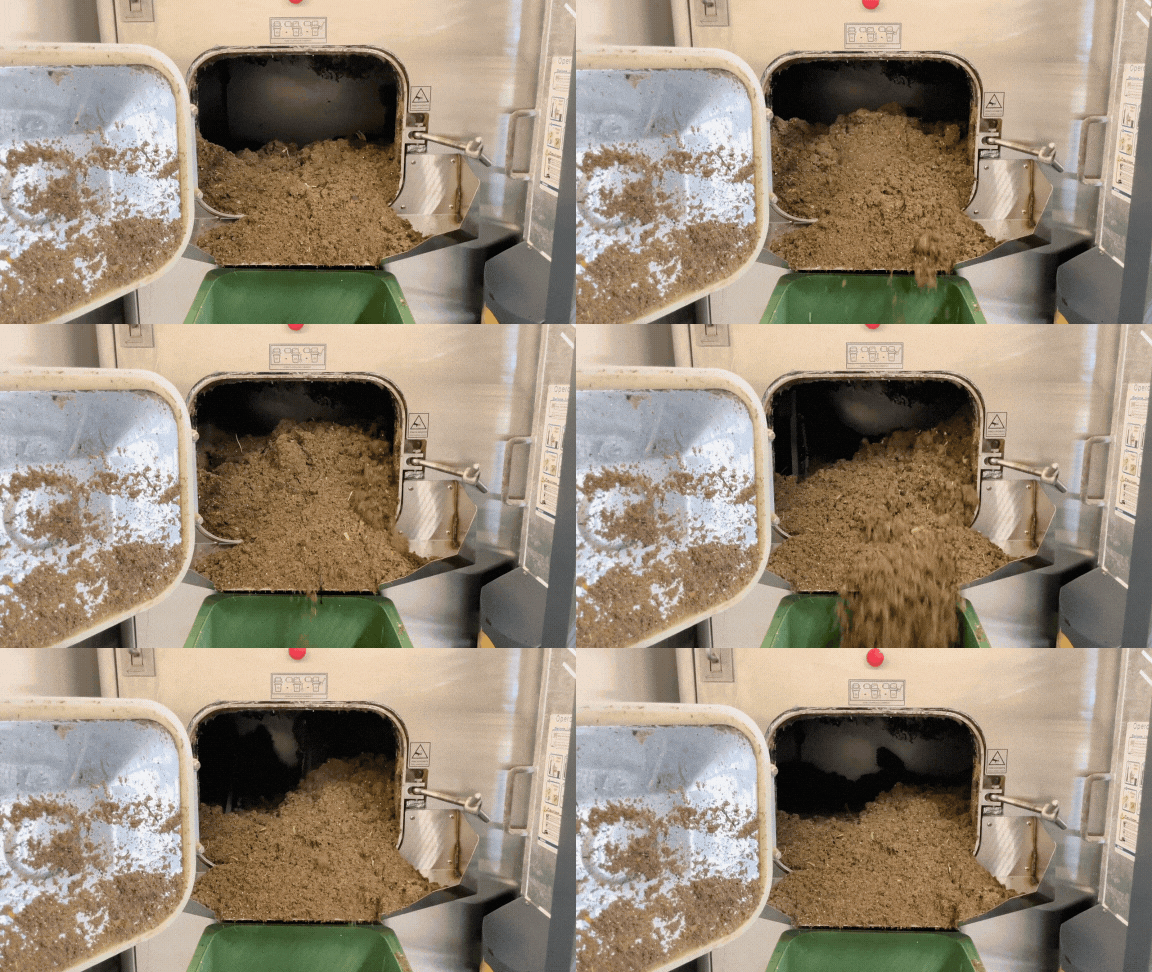
    At the core of on-site composting solutions is the production of soil amendment, a material rich in nitrates and other nutrients. However, this product isn’t quite compost yet. It typically requires time outside of the composter to properly cure, maturing into a stable, usable compost product. This phase is essential, especially if the end goal is to utilize it for landscaping, gardening, or green space maintenance.

    But curing requires space, and not every site has that luxury. On top of that, most commercial facilities generate far more soil amendment than they can realistically use.

    Ideally, sites can process all organic waste and reuse the resulting compost directly on their property or through community partners, creating a fully integrated closed-loop system. While many organizations aspire to manage their own outputs, the reality is that this isn’t always practical.

    Instead, we often see sites utilizing only a small portion of their compost outputs. Producing and applying compost in-house also requires dedicated space, time, and staff capacity, which introduces an entirely new layer of operational management that may not be feasible for every team.

    For operations like shopping centers, hospitals, or airports with limited storage or landscaping needs, managing the amendment on-site may not be feasible. These sites must consider how to close the loop through other practical and scalable end-use options.

    The Hybrid Model: On-site + Traditional Composting

    For many facilities, the most effective solution lies in a hybrid approach: using On-site composters to reduce organic waste volume before sending the remaining soil amendment to a centralized industrial composting facility.

    This model brings two major benefits:

    1. Reduced Hauling Costsand Emissions
      On-site composting can reduce the volume of organic waste by up to 80%, significantly cutting down the need for frequent hauling. Unlike raw organic waste, which must be removed regularly to avoid issues like odors and pests, soil amendment produced through on-site composting is more stable and easier to store. This allows facilities to hold material onsite for longer periods without the challenges associated with storing unprocessed organics.
      By reducing both volume and the urgency of removal, sites can schedule fewer hauls, lowering operational costs and emissions from transportation.
    2. Improved Diversion of Compostable Packaging
      Industrial composting facilities can reject commercial organic loads contaminated with compostable and non-compostable packaging. With the rise of look-alike compostable—items that appear compostable but aren’t—it’s becoming harder for these facilities to ensure clean streams. This leads to entire organics loads being landfilled due to contamination.
      On-site composters offer a key advantage in addressing this challenge. They can process compostable packaging materials on-site, breaking them down along with food waste into a soil amendment. Once in this form, the material is significantly less likely to be flagged or rejected by traditional composting facilities.
      Because on-site composting systems typically operate under more controlled conditions, facilities are better positioned to verify and manage the types of compostable packaging being used. This makes it far easier to ensure only accepted materials enter the stream, reducing the burden on end processors and increasing overall diversion. In short, breaking it down at the source creates a cleaner, more reliable output, and keeps more compostable out of the landfill.

    Why Closing the Loop Matters

    By integrating on-site composting systems with traditional composting infrastructure, organizations can improve waste diversion rates, reduce emissions, and support cleaner processing practices.

    More importantly, it allows for flexibility. Whether you’re a facility with ample land and landscaping needs or a high-density commercial site with limited space, there’s a pathway to creating a closed-loop organics system that works for you.

    In a time when landfills are reaching their limits and climate targets are tightening, every percentage of diverted waste counts. And when we think realistically about where the end product goes and the benefits of each pathway, we take another important step toward a truly sustainable system.


  • How Sustainability Builds Customer Loyalty

    How Sustainability Builds Customer Loyalty

    Sustainability is now a necessity, not an option. Customers are paying attention to how businesses handle waste, and those that take real steps toward reducing their environmental impact earn stronger loyalty. On-site composting is one of the most effective ways to show a commitment to sustainability while also creating deeper connections with customers.

    Why Customers Care About Sustainability 

    More people are making buying decisions based on a company’s environmental impact. Many are even willing to pay more for products and services from businesses that actively reduce waste. Younger generations, in particular, choose brands that align with their values and back up their claims with action.

    On-site composting is a simple but powerful way to demonstrate sustainability. It keeps organic waste out of landfills, reduces methane emissions, and contributes to healthier soil. Unlike vague green marketing claims, composting provides immediate and visible results. Businesses that integrate composting into their operations not only help the environment but also show customers they are serious about making a difference.

    How On-Site Composting Strengthens Customer Loyalty

    Customers Value Authenticity

    People appreciate businesses that follow through on their sustainability commitments. On-site composting is a transparent action that shows real results. Restaurants, hotels, and retailers can highlight theiron-site composting efforts with signage, social media updates, or direct customer engagement. When customers see a business taking meaningful steps, they are more likely to return and recommend it to others.

    A Better Customer Experience

    Sustainability improves the customer experience. A café that composts coffee grounds and food scraps attracts eco-conscious customers who want to support businesses that reflect their values. Hotels and resorts that compost organic waste reinforce their commitment to sustainability, which can lead to better reviews, higher guest satisfaction, and repeat stays.

    A Competitive Advantage in a Changing Market

    Many industries are seeing sustainability shift from an optional initiative to a customer expectation. Businesses that reduce waste and communicate their efforts effectively stand out. A grocery store, restaurant, or hospitality brand with an on-site composting program will attract customers who actively seek environmentally responsible choices. Showcasing these efforts on a website, in marketing materials, or through customer conversations reinforces a company’s leadership in sustainability.

    Beyond Customer Loyalty and the Business Benefits of On-Site Composting

    On-site composting does more than enhance a company’s reputation. It can also reduce waste disposal costs, improve overall waste management, and in some cases, qualify businesses for sustainability grants or incentives. As environmental regulations become stricter, businesses that adopt on-site composting with the T-REX composter will be better prepared for future requirements.

    Turning On-Site Composting Into a Brand Strength

    Customers want to support businesses that take sustainability seriously. On-site composting is a simple yet impactful way to show real commitment while gaining a competitive edge. When businesses share their on-site composting efforts through signage, marketing, or direct engagement, they build trust, strengthen customer relationships, and create long-term brand loyalty.

    Companies that embrace on-site composting are not just reducing waste. They are positioning themselves as leaders in sustainability and giving customers a compelling reason to keep coming back.

  • A Sustainable Solution for Organic Waste Management in Hospitals

    A Sustainable Solution for Organic Waste Management in Hospitals

    Hospitals are crucial for saving lives, but like many large institutions, they also produce a significant amount of waste. Food waste is one of the biggest contributors. From patient meals to staff cafeteria leftovers, food waste can quickly add up. As sustainability takes center stage, more hospitals are turning to on-site food composting to manage this waste effectively. Systems like the T-REX composter are helping healthcare facilities transform food scraps into valuable compost right on the premises. Let’s dive into why this method is gaining traction and how it benefits hospitals.

    The Food Waste Management Problem in Hospitals

    It’s easy to overlook, but hospitals can produce a lot of food waste. In fact, food waste often makes up around 25% of a hospital’s total waste. Traditionally, this waste ends up in landfills or is incinerated, both of which have a significant environmental impact. Food waste in landfills decomposes slowly, releasing methane, which is a potent greenhouse gas that accelerates climate change.

    On top of the environmental effects, managing waste isn’t cheap. Hospitals have to pay hefty fees for landfills and hauling services, eating into their budgets. With sustainability becoming a key priority, many hospitals are seeking solutions that are both cost-effective and eco-friendly.

    Why On-Site Composting Is a Smart Choice

    On-site composting is an increasingly popular solution for hospitals. Instead of sending food scraps to a landfill, hospitals can compost them right at their facility, reducing waste and creating a valuable resource in the process. Here are some reasons why it’s such a good fit for hospitals:

    1. Lower Waste Disposal Costs: Hospital waste removal services can get pricey, especially with food waste making up a significant portion. By composting on-site, hospitals save money on tipping fees and hauling charges. The T-REX composter is efficient, compact, and designed to handle the job quickly – even in facilities with limited space.
    2. Waste Reduction: Food waste often takes up a huge portion of a hospital’s total waste. By turning food scraps into compost, hospitals can cut down on the amount of waste they send to landfills, decreasing their carbon footprint.
    3. Turning Waste into a Resource: The compost created can be used for hospital gardens, landscaping, or even donated to local farms. This not only helps the environment but can also contribute to a more sustainable food system, especially in hospitals that grow their own food or support local agriculture.
    4. Advancing Green Credentials: Sustainability is now a priority more than ever before. By adopting composting, hospitals can improve their environmental impact and show their commitment to sustainability. This can also help them earn certifications like LEED (Leadership in Energy and Environmental Design), which further enhances their reputation.

    How the T-REX Composter Works

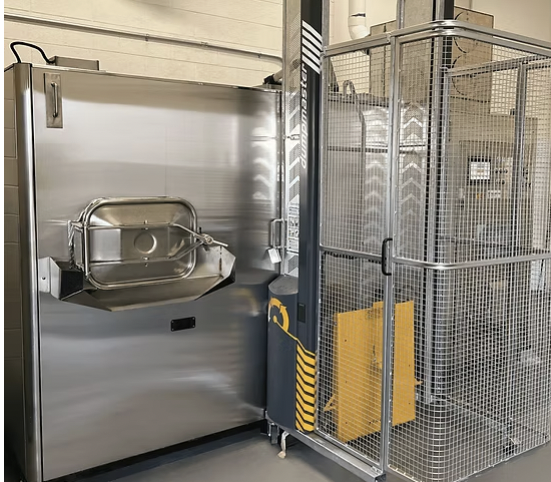
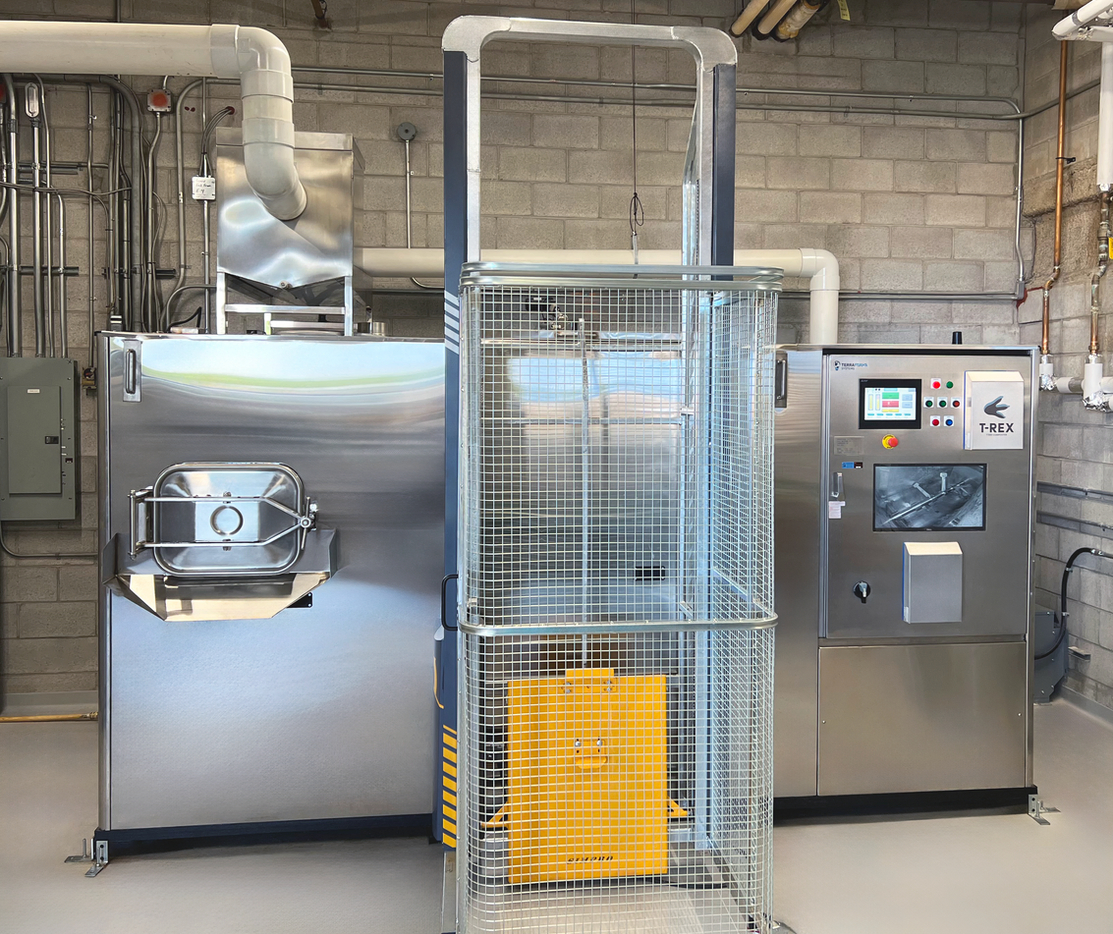
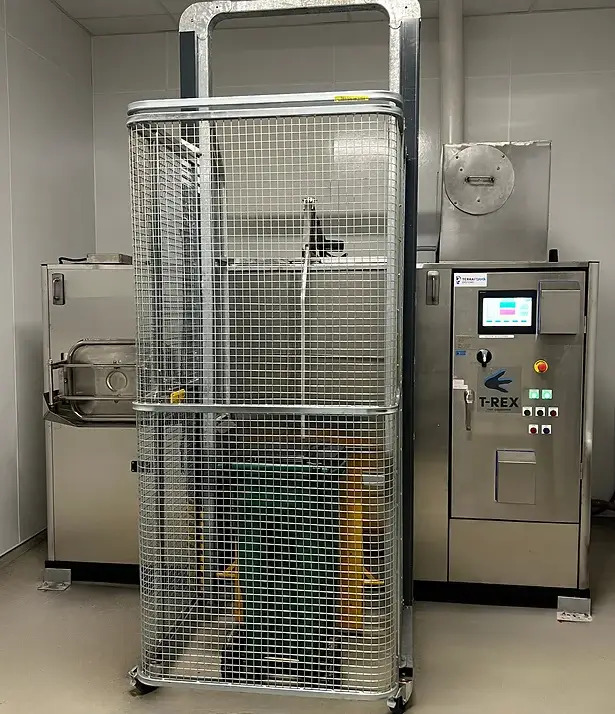
    The T-REX composter is designed to make composting simple and efficient. It uses aerobic decomposition, a process in which microbes break down organic waste in the presence of oxygen. The system features a rotating drum to mix food scraps, air vents for proper aeration, and heating elements that maintain an ideal temperature for composting.

    What makes the T-REX system ideal for hospitals is its compact design, meaning it can fit into smaller spaces while still handling large volumes of food waste. It can process everything from fruit and vegetable scraps to dairy and meat, making it versatile enough for any hospital kitchen.

    Success Stories: Hospitals Leading the Way

    Hospitals in both Canada and the U.S. are already seeing the benefits of on-site composting. For example:

    Canada: The Canadian Coalition for Green Healthcare (CCGHC)

    In Canada, hospitals are successfully reducing their food waste footprint. One hospital, supported by the Canadian Coalition for Green Healthcare, managed to reduce its total waste volume by 25%. Through on-site composting, they saved money on waste disposal while creating valuable compost that was used for landscaping and even donated to local farms. This case highlights how Canadian hospitals can reduce waste while supporting sustainability in their communities. Hospitals looking to adopt similar practices could find both financial and environmental rewards, as seen in this success story.

    United States: California Hospital Food Waste Recovery

    In the U.S., a California hospital was able to save thousands of dollars in waste disposal costs after implementing an on-site composting system. This hospital not only cut costs but also improved its garden areas using the compost produced. Some of the compost was even donated to local farms, contributing to the region’s agricultural sustainability. This example shows how U.S. hospitals can make an impact by reducing their waste while supporting local food systems.

    Overcoming Common Challenges

    Like any new system, on-site composting comes with its challenges. But with a little planning and the right equipment, hospitals can make the transition smoothly. Here are some common hurdles and how to overcome them:

    • Space Constraints: Hospitals in urban areas or those with limited space may worry about fitting a composting system into their facilities. Thankfully, the T-REX composter is designed to be compact, making it easy to fit into smaller spaces while still being able to handle a significant amount of food waste.
    • Staff Training: Properly sorting food waste is essential for a successful composting program. Hospitals will need to train staff on how to separate compostable food scraps from non-compostable items. Clear signage and periodic training can help keep things running smoothly.
    • Initial Investment: While composting can save money in the long run, there is an upfront cost to set up the system. However, these costs are typically offset by the savings on waste disposal fees, making it a worthwhile investment for most hospitals.

    Wrapping It Up

    On-site food composting is a practical, affordable, and sustainable solution for hospitals looking to manage their food waste more effectively. With systems like the T-REX composter, hospitals can turn food scraps into valuable compost, reducing waste, saving money, and contributing to a more sustainable future. Whether it’s through cutting down on disposal costs, lowering their carbon footprint, or supporting local agriculture, hospitals are finding that on-site composting offers a range of benefits that extend well beyond the kitchen.

    Hospitals in Canada and the U.S. have already seen the positive impact of on-site composting, and the numbers are telling. With composting solutions like T-REX, hospitals can reduce waste, cut costs, and improve their sustainability practices. It’s clear that on-site composting isn’t just a passing trend – it’s a smart, long-term investment that will help hospitals operate more efficiently and contribute to a greener future.

  • Fostering a Green Company Culture Through Employee Engagement in Sustainability

    Fostering a Green Company Culture Through Employee Engagement in Sustainability

    Sustainability isn’t just a talking point—it’s a practical necessity for companies aiming to thrive while making a positive impact. But sustainability efforts are only as strong as the people behind them. That’s why engaging employees is critical, and the T-REX Composter provides the perfect tool to bring sustainability to life. By turning food waste into nutrient-rich compost on-site, the T-REX Composter makes sustainability tangible, empowering employees to actively participate in reducing waste and improving environmental outcomes.

    Hands holding a wooden tray with three small plant seedlings in brown pots. Neutral background, focus on growth and nurturing. Cultivating green company culture.

    Why the T-REX Composter Drives Employee Engagement

    A Hands-On Sustainability Tool

    The T-REX Composter turns sustainability into something employees can see, touch, and contribute to daily. Instead of simply disposing of food waste, employees become part of a process that transforms waste into valuable compost. However, it’s important to note that only designated operators are authorized to run the machine. This ensures safe and efficient operation while maintaining employee involvement in waste separation and sustainability efforts.

    A Visible Commitment to Sustainability

    When employees see a T-REX Composter in action, it’s a clear signal that the company is serious about reducing its environmental footprint. Unlike temporary campaigns or generic recycling programs, the T-REX Composter is a long-term, impactful solution that shows sustainability is embedded in the company’s operations—not just a box to check.

    Inspiring Innovation and Ownership

    Employees involved in waste separation and tracking composting results often generate new ideas for reducing waste and utilizing compost effectively. Whether it’s streamlining waste collection or finding creative ways to use the finished compost, the T-REX Composter inspires innovation and gives employees a sense of ownership in sustainability initiatives.

    Building Team Spirit

    The T-REX Composter fosters collaboration. From organizing waste separation systems to tracking composting progress, employees work together to achieve sustainability goals. This teamwork boosts morale and strengthens bonds, creating a unified culture around shared environmental values.

    Making Sustainability Part of Daily Operations with the T-REX Composter

    Educate and Involve Employees

    Introduce the T-REX Composter to your team through hands-on demonstrations or workshops. Show them how food waste is processed and turned into compost, emphasizing the environmental and financial benefits. While employees play a key role in sustainability efforts, only trained operators handle the machine itself to ensure safety and compliance.

    Integrate Composting into Routine Tasks

    Make the T-REX Composter part of employees’ everyday workflows by establishing easy-to-use waste separation systems. While only operators manage the machine, employees can actively contribute by sorting waste properly and ensuring materials are compostable. This integration normalizes sustainability as a daily practice.

    Set Clear Goals and Track Progress

    Define measurable goals for your T-REX Composter, such as reducing landfill waste by a specific percentage or producing a certain amount of compost. Share progress with employees regularly to keep them engaged and celebrate milestones together.

    Encourage Employee-Led Initiatives

    Empower employees to take charge of sustainability projects, like managing waste streams or finding uses for the compost produced. While only trained operators can run the machine, broader employee involvement builds a sense of ownership and ensures the program’s long-term success.

    The T-REX Difference

    Adopting the T-REX Composter doesn’t just benefit the environment—it transforms your company’s approach to sustainability:

    • Tangible Environmental Impact: Divert significant amounts of organic waste from landfills while reducing greenhouse gas emissions.
    • Cost Savings: Eliminate or minimize waste hauling costs while generating a valuable soil amendment for landscaping or community projects.
    • Boosting Employee Engagement: Provide a practical way for employees to contribute to sustainability efforts, increasing their connection to the company’s mission.
    • Reputation Building: Demonstrate leadership in sustainability to customers, stakeholders, and the wider community.

    A Shared Mission

    Incorporating the T-REX Composter into your operations is more than an environmental initiative—it’s a catalyst for cultural change. By involving employees in waste transformation and sustainability efforts, you create a workplace where everyone feels invested in making a difference. While the T-REX is operated exclusively by trained personnel, its presence and impact inspire employee engagement in sustainability. The T-REX Composter isn’t just a tool; it’s a bridge between company goals and employee action, driving meaningful progress for your business and the planet.

  • How Bin Lifters Can Protect Your Workers and Improve Efficiency in Waste Collection

    How Bin Lifters Can Protect Your Workers and Improve Efficiency in Waste Collection

    Waste collection is hard work. It’s physically demanding and requires workers to repeatedly lift heavy bins, often in difficult conditions. As a result, injuries related to lifting and repetitive movements are a serious concern for many waste management companies. At Terraforma Systems, we believe worker safety should always come first, which is why we offer Simpro bin lifters – a solution that helps reduce physical strain, boost efficiency, and improve safety for your team.

    In this blog, we’ll talk about why bin lifters are so important and how they can make a difference for your waste collection operation.

    Why Worker Safety Should Be a Top Priority

    Anyone who’s worked in waste collection knows it’s tough. Constant bending, lifting, and carrying heavy loads can take a toll on the body. The risk of back injuries, muscle strains, and other musculoskeletal disorders is high, especially with the repetitive nature of the job. These types of injuries are not only painful for the workers but can also be costly for businesses in terms of medical bills, insurance, and lost productivity.

    Investing in equipment that helps minimize physical strain is an essential step toward preventing injuries and promoting a safer workplace.

    How Bin Lifters Make a Difference

    Simprobin lifters are designed to do the heavy lifting for your waste collection team. These machines make it easier to lift and empty bins, reducing the need for manual labor. Here’s how they can benefit your business:

    Reduced Risk of Injury

    Lifting heavy bins is hard on the body, especially when workers have to do it repeatedly. By using a bin lifter, you eliminate the need for manual lifting. This means less strain on workers’ backs, shoulders, and joints, which helps reduce the risk of injuries and long-term health issues.

    More Efficient Operations

    Time is money, and the more efficiently you can collect waste, the better. Bin lifters make the process faster by automating the lifting and emptying of bins. With these machines, workers can complete routes more quickly, reducing downtime and increasing productivity. This leads to smoother operations and quicker turnarounds.

    Improved Worker Morale

    When employees know their safety is a priority, it can have a positive impact on their job satisfaction. Bin lifters take away some of the physical toll that waste collection places on workers, which can reduce fatigue and stress. Happier, healthier employees are more likely to stay with the company, leading to lower turnover and better overall performance.

    Compliance with Safety Regulations

    Safety regulations around manual handling are strict, and for good reason. By using bin lifters, you can ensure your waste collection operations comply with the necessary safety standards. These machines help you avoid costly fines or penalties, while also protecting your workforce from potential harm.

    Why Choose Simpro Bin Lifters?

    At Terraforma Systems, we partner with Simpro because their bin lifters are built to last and designed for maximum efficiency. Here’s what sets them apart:

    Durability

    Simpro bin lifters are designed to handle tough, daily use, in any weather condition, and can withstand the challenges of the waste collection industry.

    Seamless Integration

    These lifters work with most existing waste collection vehicles, meaning they can be easily integrated into your current fleet without major disruptions.

    Custom Options

    Whether you need a solution for residential bins or large industrial containers, there is a range of lifters that can be tailored to fit your needs.

    Easy Operation

    Simprobin lifters come with user-friendly controls, making them easy for your team to operate with minimal training.

    By using Simprobin lifters, you’re not only protecting your workers but also improving the overall efficiency of your waste collection process.

    Safer, Smarter, and More Efficient Waste Collection

    At Terraforma Systems, we know that investing in your workforce and the right equipment pays off. Simprobin lifters help reduce injuries, boost productivity, and improve the overall safety of your waste collection operation. These machines make a real difference for both your workers and your bottom line, with innovative new features on the horizon.

    If you’re ready to improve safety and efficiency in your waste collection operations, reach out to us today. We’d be happy to help you find the perfect bin lifter solution for your needs.

    For more information, contact us.

  • Simplifying Waste Data Management With TFS IQ

    Simplifying Waste Data Management With TFS IQ

    In today’s world, effective waste management is about more than just reducing trash, it’s about understanding and optimizing the processes that handle it. That’s where TFS IQ comes in. Our platform provides immediate updates on the composting process of the T-REX Composter and tracks all the key data to help you manage waste more efficiently.

    TFS IQ gives businesses a clear view of their waste data management efforts, making it easier to track their T-REX‘s composting progress, monitor input and output, and make smarter decisions for sustainability. Whether you’re working to improve efficiency or meet waste diversion goals, TFS IQ offers the tools you need to achieve your waste reduction objectives.

    Instant Data for Smarter Waste Data Management

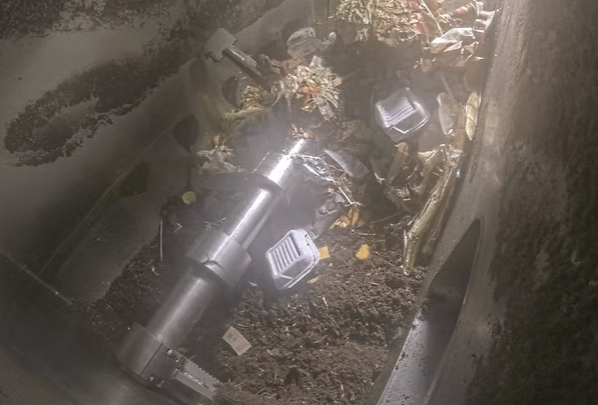
    One of the standout features of TFS IQ is its ability to provide instant access to data about what’s happening inside the T-REX Composter. Using advanced sensors and interior cameras, TFS IQ lets you see the composting process as it happens. These cameras track the compost’s condition and help spot any potential issues, like contamination, so you can address them without delay. The images are displayed on the machine screen and uploaded to the TFS IQ platform every few seconds, ensuring you always have access to the latest information.

    Keeping Track of T-REX Composter Machine Health

    TFS IQ isn’t just about monitoring the composting process, it also helps you keep your equipment in top shape. The platform tracks the health of your T-REX Series Composters, alerting you if any problems arise with the composter machine or the compost itself. Whether it’s a small issue that needs attention or a bigger problem requiring action, TFS IQ keeps you informed, helping prevent downtime and keeping your composting process running smoothly.

    Key Metrics to Track

    TFS IQ makes it easy to monitor a variety of important metrics during the composting process, ensuring you stay on top of your organic waste management.

    Pile Temperature: Temperature control is a vital part of composting, and TFS IQ tracks it continuously. The system allows for adjustments of the pile temperature as needed, ensuring it stays within a safe range. If the temperature falls outside of the acceptable range, the system can be reset to keep things on track.

    Heat Pad Temperature: The heating pads of the composter raise the temperature of the organic material, and TFS IQ tracks their performance. The platform ensures the heat pads are operating efficiently, helping the compost break down effectively.

    Moisture Levels: Too much moisture can hinder the composting process. TFS IQ monitors the moisture levels, ensuring the compost stays at the optimal level, so necessary adjustments can be made to further assist and optimize the composting process.

    Load Cell Weight: The system tracks the weight of the materials being composted, allowing you to compare input and output weights. This helps measure the efficiency of your composting operation and track how well the system is handling the organic and post-consumer packaging waste.

    Monthly Reports to Guide Your Decisions

    TFS IQ also provides monthly reports that give you an overview of your composting operations. These reports include data on the time spent loading and offloading, the number of totes loaded, and the comparison of input and output weights. By analyzing this data, you can spot areas for improvement, make adjustments, and refine your operations.

    Making Data-Driven Decisions

    Ultimately, TFS IQ helps businesses make better, informed decisions about waste management when using the T-REX on-site composter. By providing rapid access to data, monitoring key metrics, and diagnosing issues early, the platform helps you optimize your composting operations and improve sustainability. Whether you’re focused on improving efficiency or minimizing environmental impact, TFS IQ gives you the insights you need to succeed.

    Key Takeaways

    TFS IQ is a valuable tool for any business looking to enhance their composting operations and manage waste more effectively when using the T-REX on-site composter. With its ability to track everything from pile temperature to moisture levels, the platform ensures you have the insights needed to make informed decisions. By giving you fast access to data and detailed reports, TFS IQ makes it easier to manage waste smarter, stay efficient, and push sustainability goals forward.

  • Managing the Holiday Waste Surge with Organic Waste and Packaging Challenges

    Managing the Holiday Waste Surge with Organic Waste and Packaging Challenges

    The holidays bring plenty of joy, celebration, and sharing, but they also lead to an overwhelming increase in waste. Whether it’s uneaten leftovers from festive meals or packaging from the season’s gift-giving, the holiday period generates significantly more organic and post-consumer waste compared to other times of the year. This spike creates challenges for waste management, particularly for businesses handling large volumes of food and customers.

    Increased Holiday Waste

    Organic waste often sees a dramatic rise during the holiday season, with estimates suggesting up to 30% more food waste. Over-purchasing, over-preparing, and poor meal planning are key contributors. Businesses in the hospitality sector face an even steeper increase due to banquets, catered events, and larger customer numbers, resulting in excess food that frequently ends up being discarded.

    Packaging waste adds another layer of complexity. Gift wrap, disposable containers, boxes, and plastic materials pile up, with many of these items being difficult or impossible to recycle. The seasonal peak in shopping and gift-giving exacerbates this issue, with waste from packaging increasing by roughly the same proportion as food waste.

    Environmental and Financial Impact

    Holiday waste doesn’t just disappear. Organic materials in landfills break down anaerobically, releasing methane, a greenhouse gas with a far greater impact than carbon dioxide. Mismanaged packaging waste often contaminates recycling systems, sending otherwise recoverable materials to landfills. Businesses are hit financially, too, with increased hauling and waste processing costs during the holiday rush.

    Role of On-Site Composting

    On-site composting offers an effective solution to handle the surge in organic waste and post-consumer packaging. The T-REX Composter provides a practical and sustainable approach to managing food scraps directly at the source.

    The T-REX can process up to anywhere between 275 to 1370 kilograms of organic waste daily depending on the machine size, making it well-suited for busy environments such as restaurants, event spaces, and large residential complexes. By reducing the need for off-site transportation, businesses can save significantly on hauling costs while reducing their carbon footprint. The soil-amendment produced on-site can be repurposed for landscaping, donated to local gardens, or even sold, turning waste into a valuable resource.

    Addressing Packaging Waste

    While on-site composting is a game changer for organic materials, holiday packaging waste remains a challenge. Businesses and individuals can take steps to reduce their impact by switching to compostable post-consumer packaging, encouraging proper sorting, and minimizing the use of single-use materials in favor of recyclable, reusable, or compostable alternatives. These small changes add up, lightening the load on waste systems and reducing the overall environmental impact. Additionally, compostable post-consumer packaging is processable through the T-REX Composter and can be added to the machine along with organic waste.

    A Sustainable Holiday Season

    The surge in waste during the holidays is a predictable challenge, but it doesn’t have to remain an inevitable problem. While adopting on-site composting with the T-REX Composter won’t solve this year’s holiday waste, planning now ensures businesses will be ready to handle next season’s challenges with a sustainable, efficient solution.

    The T-REX Composter is built to order, a process that takes time to ensure it meets the specific needs of high-volume environments. By acting early, businesses can position themselves to take control of their organic waste in time for the next holiday season, reducing costs, cutting emissions, and transforming what was once trash into a valuable resource.

    Taking steps today to prepare for future holidays allows businesses to align their operations with long-term sustainability goals. Managing holiday waste effectively isn’t just good for the environment—it’s an investment in a cleaner, more efficient future for both the planet and the business.

  • Why Companies Are Switching to On-Site Composting

    Why Companies Are Switching to On-Site Composting

    In today’s world, where sustainability and cost-efficiency are paramount, businesses across various industries are increasingly adopting on-site composting solutions. While environmental benefits such as waste reduction and soil enhancement are significant drivers, a primary motivator for this shift is the substantial cost savings associated with reducing or eliminating the need to haul organic and post-consumer packaging waste to external composting facilities. This article explores why companies are making the switch to on-site composting and how this decision is reshaping waste management practices.

    Cost Savings and Waste Management Efficiency

    One of the most compelling reasons businesses are transitioning to on-site composting is the potential for substantial cost savings. Traditional waste management methods often involve significant fees for hauling organic and post-consumer packaging waste to off-site facilities. These costs can quickly add up, especially for businesses generating large volumes of waste.

    By implementing on-site composting systems, such as the T-REX Series Composters, companies can drastically reduce these hauling fees. This not only helps to cut operational costs but also frees up resources for other critical areas of the business. On-site composting also enhances waste management efficiency by streamlining waste handling processes and simplifying waste disposal logistics. This results in smoother operations and fewer disruptions, providing a more controlled and predictable waste management system.

    Environmental Benefits: Sustainability and Reduced Carbon Footprint

    On-site composting offers significant environmental benefits that extend beyond cost savings. One major advantage is its contribution to sustainability. By diverting organic waste from landfills, companies can significantly reduce their environmental impact. Organic waste decomposing in landfills generates methane (CH4), a potent greenhouse gas that contributes to climate change.

    On-site composting converts organic waste into nutrient-rich soil amendment, helping to mitigate this issue and support local ecosystems. Reducing the carbon footprint is another critical benefit of on-site composting. Managing organic waste on-site reduces the need for waste transportation, thereby lowering carbon emissions from transportation vehicles. This aligns with broader sustainability goals and helps businesses meet the increasing environmental regulations and standards.

    Enhanced Soil Health and Odor Management

    On-site composting systems offer practical advantages for businesses as well. The soil amendment produced can be used to enhance soil health, which is particularly beneficial for companies with green spaces, landscaping needs, or agricultural operations. The nutrient-rich soil amendment improves soil quality, boosts plant growth, and reduces the need for synthetic fertilizers, leading to healthier plants and more vibrant green spaces.

    Additionally, on-site composting systems can effectively manage and reduce odors associated with organic waste. Properly managed composting processes use advanced aeration and decomposition methods to minimize unpleasant smells. This not only enhances the working environment for employees but also improves the overall experience for clients and visitors.

    Strategies for Successful Implementation

    To effectively implement on-site composting, businesses should consider a few key strategies. Conducting a waste audit is essential to understanding the volume and types of organic waste generated. This information will guide the selection of the most suitable composting system for the company’s needs.

    Engaging employees through training programs can also foster a culture of sustainability and ensure proper waste separation. Collaborating with waste management experts and composting technology providers, such as the Terraforma Systems team with the T-REX Series Composters, can further streamline the implementation process. These partnerships offer valuable insights and support, making it easier for businesses to integrate on-site composting into their operations.

    Transforming Waste Management Through On-Site Composting

    The shift towards on-site composting such as the T-REX Composter represents a transformative change in how businesses manage their organic and post-consumer packaging waste. By embracing this approach, companies can achieve significant cost savings, enhance their environmental sustainability, and improve operational efficiency. As more businesses recognize the benefits of on-site composting, this practice is likely to become increasingly prevalent, contributing to a more sustainable and resource-efficient future.

  • Reduce Cost of Hauling Food Waste with the T-REX Composter

    Reduce Cost of Hauling Food Waste with the T-REX Composter

    Food waste is a growing problem worldwide, with serious economic, environmental, and logistical consequences. In Canada alone, nearly over half of all food produced is wasted annually, leading to billions in lost revenue while also contributing to climate change.

    In addition to the waste itself, the transportation of this organic material to disposal sites or composting facilities is another costly factor. As the cost of hauling food waste rises, businesses, particularly in the foodservice industry, are searching for solutions that can help reduce these expenses.

    TheT-REX Composter provides an effective alternative by enabling companies to process waste directly on-site, eliminating the need for expensive transportation and reducing the environmental footprint of waste disposal.

    Hidden Cost of Hauling Organic and Post-Consumer Waste

    While many businesses are aware of the price tag attached to food waste, they often overlook how much they are spending on transporting that waste. In some areas, hauling fees can exceed $75 per ton, a significant cost for industries generating large amounts of organic waste.

    Restaurants, for instance, generate food waste during both the preparation and serving stages, creating a continuous need for waste removal. These waste materials are often transported to landfills or composting centers that may be located far from the source, which drives up the cost further. Additionally, the vehicles involved in this process contribute to carbon emissions, adding to the overall environmental impact.

    Beyond financial expenses, organic waste that ends up in landfills decomposes and releases methane, a powerful greenhouse gas that is much more effective at trapping heat in the atmosphere than carbon dioxide. By reducing the amount of organic waste transported to landfills, businesses not only cut costs but also play a role in lessening their environmental footprint.

    On-Site Composting: A Practical Solution

    One highly effective strategy for tackling these issues is the adoption of on-site composting. With the T-REX Composter, businesses can process their organic waste at the location where it’s produced, transforming it into nutrient-dense soil amendment that can be reused in landscaping or agriculture.

    This significantly reduces reliance on external hauling services and can lead to substantial savings in waste management costs. Unlike conventional composting methods that take months to complete, the T-REX Composter rapidly processes waste into usable soil amendment within 24 hours.

    By lowering hauling expenses and minimizing the need for external facilities, companies can enjoy direct savings while also reducing their carbon footprint. The process is not only cost-efficient but also contributes to a circular economy by turning waste into a resource.

    Environmental and Financial Advantages

    Incorporating on-site composting technology like the T-REX Composter enables businesses to mitigate the environmental impact of food waste. Organic waste diverted from landfills no longer contributes to methane emissions, thereby reducing a company’s environmental footprint. In addition to these environmental benefits, businesses can also avoid the costs associated with landfill disposal and position themselves as leaders in sustainability.

    In essence, on-site composting reduces the cost of hauling food waste and addresses the larger challenge of managing waste throughout the food supply chain. Whether it’s during production, distribution, or consumption, substantial amounts of food are lost or wasted due to inefficiencies. By focusing on waste reduction at the source, businesses can cut costs and contribute to a more sustainable system overall.

    Reduce Cost of Hauling Food Waste with the T REX Composter gallery image

    T-REX Series Composter: A Comprehensive Solution

    The T-REX Composter offers much more than just a cost-saving measure for waste hauling. It provides an innovative, eco-friendly solution for businesses seeking to enhance their waste management practices. By handling waste on-site, companies can reduce their waste management expenses and streamline their operations. Over time, the investment in a system like the T-REX Composter can pay for itself by eliminating recurring hauling fees and reducing the overall volume of waste sent to landfills.

    For businesses in the industrial, commercial and institutional (ICI) sector, where food waste is a constant challenge, the T-REX Composter delivers immediate results. By efficiently managing both pre-consumer and post-consumer waste, it prevents organic waste from ending up in landfills and significantly decreases the total waste volume, further lowering disposal costs.

    Unlock Cost Savings and Sustainability with On-Site Composting

    In today’s business landscape, achieving sustainability and cost-efficiency is critical. The T-REX Composter provides an all-in-one solution for businesses facing rising food waste hauling costs. By processing waste on-site, companies can cut costs, minimize their environmental impact, and improve operational efficiency. As businesses confront rising waste management expenses and increasing pressure to adopt more sustainable practices, the T-REX Composter presents a practical, forward-thinking solution.

  • Drive Environmental Change: Reduce Your Carbon Footprint with On-Site Composting Solutions

    Drive Environmental Change: Reduce Your Carbon Footprint with On-Site Composting Solutions

    In the journey toward a sustainable future, businesses are increasingly taking steps to minimize their environmental impact. One powerful way to contribute to global carbon dioxide emission reduction goals is by implementing on-site composting solutions. This approach not only diverts waste from landfills but also helps reduce greenhouse gas emissions, ultimately supporting a healthier planet.

    Reducing Carbon Emissions with On-Site Composting

    One of the primary environmental benefits of on-site composting lies in its ability to significantly reduce carbon emissions. Traditional waste management methods often involve transporting organic waste to off-site facilities, which requires fuel-intensive hauling. This process contributes to carbon dioxide (CO2) emissions, adding to a company’s overall carbon footprint. By processing organic waste on-site, businesses significantly reduce the need for transportation, leading to immediate carbon emission mitigation.

    Additionally, organic waste decomposing in landfills generates methane (CH4), a potent greenhouse gas with over 25 times the warming potential of CO2. Methane emissions from landfills contribute substantially to climate change. On-site composting reduces the need to send waste to landfills, thereby cutting down on methane emissions. Through composting, organic waste is converted into soil amendment instead of releasing harmful gases, supporting the environment on a broader scale.

    Supporting Soil Health and Ecosystems

    The by-product of on-site composting is nutrient-rich soil amendment, which offers additional environmental advantages. By returning this organic matter to the soil, companies enhance local ecosystems. Healthier soil contributes to carbon sequestration by improving plant growth and supporting biodiverse environments, which further absorbs CO2 from the atmosphere.

    For organizations with green spaces or agricultural interests, this soil amendment can be used to enrich soil quality, promoting a closed-loop circular economy system that supports the environment.

    Enhancing Air Quality and the Local Environment

    Another advantage of on-site composting is improved air quality. Organic waste in landfills can emit unpleasant odors and contribute to local air pollution. On-site composting uses controlled decomposition processes that minimize these emissions, creating a cleaner and more pleasant environment around the company’s facilities. This improvement in air quality benefits employees, local communities, and contributes to broader environmental sustainability goals.

    Steps Toward Implementation for Maximum Environmental Impact

    While the environmental benefits are clear, implementing on-site composting effectively requires careful planning. Conducting a waste audit helps businesses understand the volume of organic waste generated, ensuring they select the right composting system for their specific needs. Working with on-site composting technology providers, like Terraforma Systems and the T-REX Series Composters, enables companies to adopt tailored solutions that maximize environmental impact.

    A Commitment to Sustainability and Reduced Carbon Footprint

    By embracing on-site composting, companies can align their waste management practices with sustainability goals and actively reduce their carbon footprint. This shift represents more than just a waste management solution—it’s a tangible step toward combating climate change. As more organizations recognize the environmental value of on-site composting, the cumulative effect can lead to a more sustainable and carbon-conscious future.