Tag: recycling

  • The Hidden Cost of Landfill Dependence in Modern Facilities

    The Hidden Cost of Landfill Dependence in Modern Facilities

    The System No One Questions

    Behind most large facilities, there is an area that rarely makes it into strategy meetings. It may sit behind cafeterias, along old commercial buildings’ loading docks, or besides industrial areas. Containers line the wall. Trucks arrive on schedule, empty them, and leave. The process feels routine and dependable. Because it has always functioned this way, it often goes unquestioned.

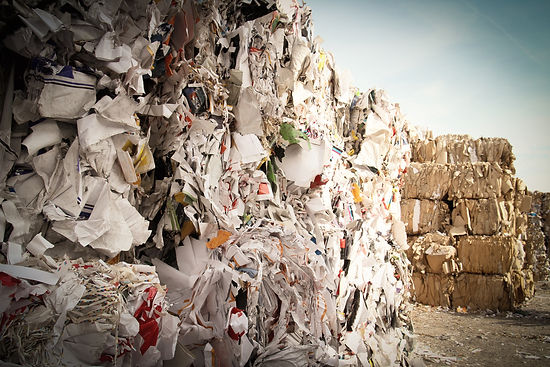
    Landfill disposal became the default decades ago, and for many organizations it still defines waste management. Yet default does not mean optimal. Over time, reliance on landfill creates layers of financial exposure and operational strain that are easy to overlook because they build gradually. A large portion of what many facilities send to landfill is recyclable, or organic materials such as food scraps and compostable items. When that material is buried instead of processed differently, the consequences extend far beyond the dumpster.

    The Growing Financial Weight of Landfill Waste

    Organic waste carries literal weight, and in waste management, weight drives cost. Food scraps and compostable materials add significant mass to containers, causing them to fill faster and require more frequent hauling. Every additional pickup increases transportation charges and landfill tipping fees. At first, these expenses appear manageable. Waste removal is simply another operating cost, absorbed into the annual budget.

    The pressure builds quietly over time. Hauling contracts are renegotiated. Disposal rates increase. Fuel costs fluctuate. In high volume environments and facilities’ operations, even small increases in pickup frequency can translate into meaningful annual expense. What once felt like a predictable cost becomes a steadily expanding obligation, tied largely to material that never needed to leave the property in the first place.

    The Overlooked Challenges Few Measure

    The financial impact tells only part of the story. Organic waste does not remain stable while it waits for removal. It breaks down quickly. Odors intensify, especially in warmer months. Sanitation teams must spend additional time managing cleanliness. Pest control demands increase. Storage areas fill rapidly, which can require added coordination to prevent overflow or emergency pickups.

    None of this typically triggers a crisis. Instead, it becomes background noise in daily operations. Staff adapt. Managers accept it as part of the workflow. Time and labor are quietly diverted to managing material that is simply waiting to be hauled away. Over months and years, this friction accumulates, affecting morale, efficiency, and the overall environment within the facility.

    Shifting from Disposal to Control

    Composting changes the structure of the problem. When facilities process organic material on site, the weight and volume of waste leaving the property decline significantly. Fewer pickups are required. Exposure to rising tipping fees is reduced. Budget forecasting becomes more stable because the organization is not entirely dependent on external disposal costs that it cannot control.

    Instead of repeatedly paying to transport decomposing material, the facility gains visibility into one of its largest waste streams. Organic waste becomes something measured and managed rather than something removed and forgotten. That shift alone can stabilize long term waste management costs and create a clearer understanding of operational performance.

    A Cleaner, More Predictable Operation

    The operational improvements are often immediate. With less organic material sitting in containers, odors decrease and sanitation improves. Storage areas remain cleaner and easier to maintain. Kitchens and loading docks operate with greater consistency because waste handling becomes structured rather than reactive.

    Staff time is no longer spent managing overflow or coordinating urgent pickups. Instead, processes become routine in a different way, built around internal management rather than external removal. In facilities where food preparation and high foot traffic are constant, this predictability supports both hygiene standards and overall workflow.

    Preparing for Regulatory and Reporting Pressure

    Waste management does not exist in isolation from broader trends. Regulatory frameworks in many regions are increasingly focused on organic waste diversion. Sustainability reporting expectations continue to evolve, and leadership teams are under growing pressure to demonstrate measurable environmental performance.

    Facilities that rely heavily on landfill disposal may find themselves needing to adapt quickly if requirements change. By implementing composting infrastructure proactively, organizations move on their own timeline. They can document diversion rates, strengthen ESG performance metrics, and demonstrate forward thinking operational management without waiting for external mandates to force action.

    The Environmental Reality Beneath the Surface

    When organic waste is buried in landfill conditions, it decomposes in a way that contributes to greenhouse gas emissions. Diverting that material through composting reduces environmental impact and aligns day to day operations with broader sustainability goals. Increasingly, stakeholders from employees to investors are paying attention to these decisions. Waste strategy is no longer invisible. It is part of how organizations are evaluated.

    Composting offers visible and reportable progress. It connects environmental responsibility with practical facility management in a way that is measurable and concrete.

    The True Cost of Waiting

    The most overlooked cost of landfill dependence is time. No single year feels dramatic. The increases in hauling expenses are incremental. The operational strain feels manageable. Regulatory expectations advance gradually. Yet each year that organic material continues to leave the facility as landfill waste represents ongoing financial outflow and missed opportunity.

    What could have been a deliberate transition becomes a reactive adjustment when external pressure intensifies. Familiarity with landfill systems can create a false sense of stability, but stability built on rising costs and growing scrutiny is fragile.

    Facilities that integrate composting into their waste strategy take control of one of their heaviest and most expensive waste streams. They reduce landfill exposure, create more predictable budgets, improve sanitation standards, and strengthen long term resilience. The decision is not only environmental. It is operational and financial.

    The cost of inaction rarely appears in a single invoice. It accumulates quietly. Organizations that recognize this early position themselves for stability and measurable progress rather than allowing gradual increases in cost and complexity to define their future.
  • Implementation of Our Highest-Capacity On-Site Composter

    Implementation of Our Highest-Capacity On-Site Composter

    Every breakthrough starts small. In this case, it began with a simple idea, and a series of smaller machines that consistently outperformed expectations. Those early successes raised an important question. Why not go bigger, bolder, and better?

    That question led to the next evolution of on-site composting technology. On-site composters have already proven their value by efficiently processing organic waste streams, compostable materials, and biodegradable packaging, while reducing waste volume by up to 80 percent in less than 24 hours. Until recently, the largest systems commissioned were capable of processing up to 500 tonnes annually. That milestone has now been surpassed, opening the door to a new scale of organics management.

    Introducing the T1000 On-Site Composter

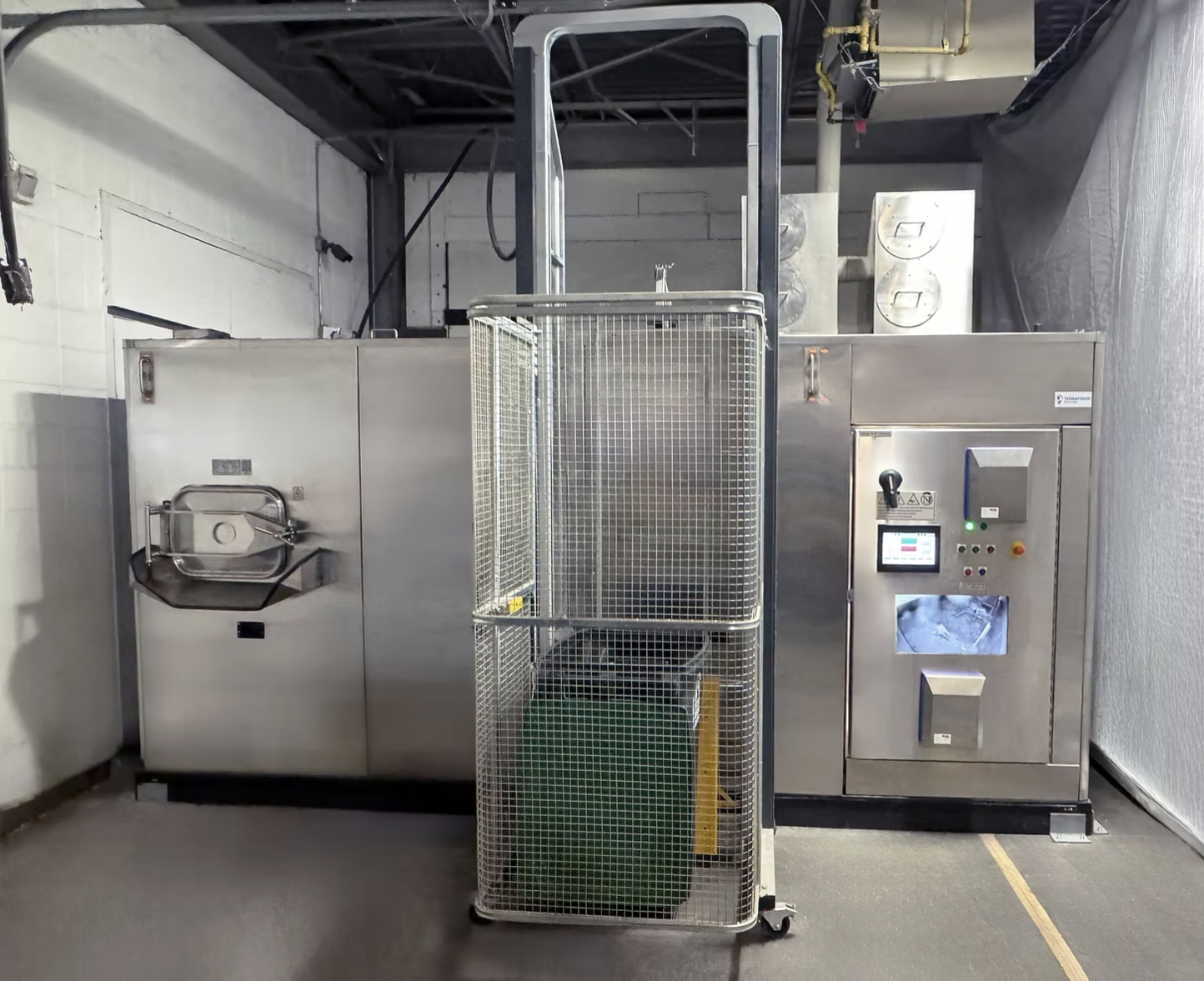
    The newly commissioned T-REX T1000 on-site composter represents a significant step forward in scale and performance. Designed to process up to 1,000 tonnes of organic waste annually, the T1000 doubles the capacity of previous installations and establishes a new benchmark for high-volume organics processing.

    In addition to increased capacity, the system incorporates a newly designed technology variation that significantly expands processing potential and enables the system to handle up to 2,500 tonnes annually. This represents a 500% increase over the original maximum processing capability of earlier T-REX machines.

    This advancement demonstrates how continued innovation and engineering refinement can unlock substantial performance gains while maintaining reliability, efficiency, and environmental integrity.

    Engineering for Performance and Reliability

    High-capacity composting requires more than scale alone. Systems must be engineered to manage moisture, oxygen levels, temperature, and material consistency across diverse organic waste streams. The T1000 has been designed with these operational realities in mind, ensuring stable performance even as throughput increases.

    Improved technology allows for more consistent biological activity, faster processing times, and reduced risk of anaerobic conditions. This results in better material breakdown, improved odor control, and a more predictable end product.

    By integrating these engineering improvements, the T1000 supports both operational efficiency and long-term system durability.

    A Fully Integrated Sustainability Hub

    The T-REX T1000 has been implemented at Recycling Alternative’s greenHUB, where it operates alongside a wide range of material recovery and recycling technologies. The greenHUB includes optical sorting systems for plastic waste, balers for plastics, packaging, and paper, a Styrofoam densifier, a paper shredder, and additional processing equipment.

    This integrated approach allows multiple waste streams to be managed within a single facility. Organic waste can be processed alongside recyclable materials, creating efficiencies in logistics, labor, and infrastructure while maximizing diversion from landfill.

    Centralized processing also allows for better data tracking and reporting, which is increasingly important for organizations measuring waste diversion, carbon reduction, and ESG performance.

    From Waste Reduction to Resource Creation

    Beyond reducing waste volume, the T1000 enables Recycling Alternative to convert organic material into a valuable soil amendment. This material supports soil health, water retention, and nutrient cycling, turning what was once considered waste into a useful resource.

    The potential to offer this soil amendment back to clients creates additional value within the waste management process. Clients benefit not only from reduced disposal volumes, but also from tangible sustainability outcomes that can be reintegrated into landscaping, restoration, or agricultural applications.

    This closed-loop approach strengthens the environmental impact of composting while reinforcing the economic and operational benefits.

    Expanding Access to Advanced Composting Solutions

    While on-site composting remains the ideal solution for many large generators of organic waste, not every organization has the space, volume, or capital required to install its own system. High-capacity facilities like the greenHUB help bridge this gap by extending the benefits of advanced composting technology to a wider range of users.

    By leveraging large-scale processing capabilities, smaller food producers, commercial kitchens, and mixed-use properties can participate in effective organic waste diversion without needing to operate their own equipment. This model supports broader adoption of composting practices while maintaining high processing standards.

    Improving Operational Conditions and Odor Management

    Effective organic waste management delivers benefits beyond sustainability metrics. Organic material can begin producing unpleasant odors within a short period of time, which can negatively impact hygiene, staff working conditions, and customer experience.

    By reducing storage time and processing organic waste efficiently, facilities can significantly improve cleanliness and odor control at the source. This leads to safer, more pleasant environments and supports better relationships with surrounding communities.

    Supporting ESG Goals and Regulatory Readiness

    As regulations around organic waste diversion continue to evolve, organizations are under increasing pressure to demonstrate responsible waste management practices. High-capacity on-site composting systems help future-proof operations by supporting compliance with landfill diversion mandates and sustainability reporting requirements.

    The ability to track processed volumes, diversion rates, and end-product outcomes provides valuable data for ESG reporting. This transparency helps organizations communicate progress to stakeholders while aligning operations with long-term environmental goals.

    A New Era for Commercial and Residential Composting

    The commissioning of the T-REX T1000 marks an important milestone for Recycling Alternative and the broader composting sector. Increased capacity, advanced technology, and integration within a comprehensive recycling ecosystem enable faster progress toward scalable and effective organic waste management.

    This development signals a shift toward smarter, higher-capacity composting solutions that support environmental responsibility, operational efficiency, and long-term sustainability across commercial and residential sectors.

  • How Sensors and Cameras Are Transforming Waste Data Management and Sustainability

    How Sensors and Cameras Are Transforming Waste Data Management and Sustainability

    Waste management is evolving into a data-driven science. As organizations across the world pursue sustainability goals, the need for accurate, continuous information about waste streams has never been greater. The traditional approach of manual audits and estimated reports no longer provides the precision or speed required for effective resource management.

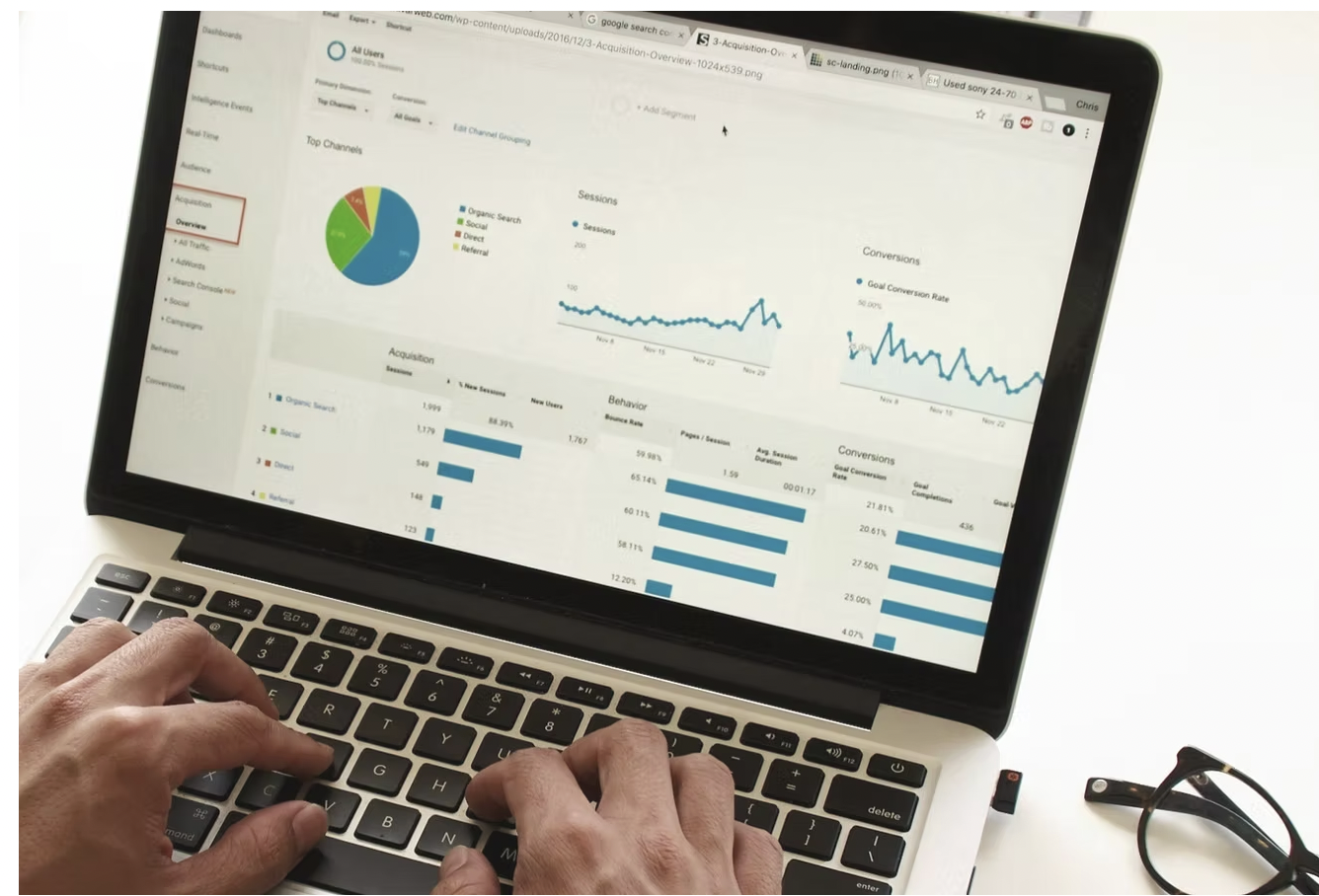
    The next generation of waste management is powered by smart sensors and camera technology that automatically collect data in real time. These systems reveal how much waste moves through facilities, and where inefficiencies occur. By turning everyday waste activities into measurable data points, businesses can make informed decisions that improve recycling, reduce costs, and demonstrate environmental accountability.

    The Shift from Manual to Automated Data Collection

    Historically, waste reporting has been based on sampling and manual observation. Teams might weigh bins occasionally, record volumes during collections, and compile reports from invoices. While useful for broad estimates, this process leaves significant data gaps. It is difficult to track changes over time or respond quickly when issues arise.

    Smart waste systems address this challenge through automation. Sensors and cameras embedded in bin lifters, compactors, and composters monitor activity continuously. Instead of relying on staff to log information, these devices send precise readings to a centralized waste data management platform. The result is a complete, real-time understanding of the waste lifecycle.

    How Smart Sensors and Cameras Work Together

    Modern waste infrastructure uses a combination of sensors and camera-based systems to capture different types of information.

    1. Fill-Level and Weight Sensors

    Sensors and cameras installed inside waste processing containers measure how full a container Load cells in compactors record the exact weight of materials as they are deposited from bins. This information helps predict when a bin or waste container vessel will reach capacity, allowing for efficient collection and unloading scheduling.

    2. Environmental Sensors

    Temperature and moisture sensors can monitor organic waste to detect overheating during composting. In hazardous or industrial applications, gas sensors identify potential emissions or chemical leaks.

    3. Camera and Computer Vision Systems

    Cameras equipped with artificial intelligence (AI) analyze images of waste as it is loaded. These systems can identify material types such as paper, plastics, metals, organics, and compostable packaging. They also detect contamination, for example, a plastic bag in a organics bin pile. Over time, visual analytics build a detailed picture of waste composition, enabling better AI recognition, source separation, and educational initiatives.

    4. Integrated Data Platforms

    All this information flows into a cloud-based dashboard, such as TFS IQ, where facility managers, sustainability officers, and service providers can review live data, view trends, and generate reports. These platforms translates raw sensor readings and camera footage into actionable insights.

    Benefits of Automatic Waste Data Collection

    The value of automated data management goes far beyond operational efficiency. It reshapes how organizations think about materials, resource use, and environmental impact.

    1. Real-Time Visibility and Responsiveness

    Continuous monitoring provides immediate awareness of waste. Facility managers can see which equipment are filling faster than expected, where contamination is increasing, or whether certain waste streams are underutilized. This enables quick intervention before issues escalate.

    2. Cost Savings through Smarter Logistics

    Collection routes can be adjusted based on actual waste volume rather than fixed schedules. This reduces unnecessary truck trips, fuel consumption, carbon footprint, and labor hours. Facilities can also identify underused equipment or over-serviced zones, optimizing asset placement.

    3. Improved Sustainability Performance

    Accurate data helps organizations measure recycling rates and diversion achievements with confidence. It supports compliance reporting, ESG disclosures, and sustainability certifications by providing verified metrics instead of estimates.

    4. Data-Driven Planning and Education

    Cameras reveal exactly which materials are causing contamination. This allows targeted communication and training for employees, tenants, or students. The same insights can inform purchasing policies by showing which packaging types are least recyclable or have the slowest compostability rate.

    5. Maintenance and System Health

    Sensors continuously monitor equipment status, helping detect mechanical issues such as compactor overloads or hydraulic failures before they become costly breakdowns.

    From Raw Data to Meaningful Insights

    The true value of smart waste technology lies not in the data itself, but in how that data is used. Analytics platforms organize millions of readings and images into patterns that reveal opportunities for improvement.

    For example:

    • A manufacturing facility might discover that one production line consistently generates higher waste volumes than others.
    • A campus might identify that contamination spikes during certain events or at specific locations.
    • A retailer could correlate waste data with sales figures to forecast disposal needs more accurately.

    Machine learning algorithms can even eventually forecast future waste generation based on seasonality, occupancy, or weather conditions. This predictive capability allows organizations to plan collections, staffing, and waste disposal campaigns with precision.

    Designing a Smart Waste Data Strategy

    Implementing an automated data management system requires careful planning. Below is a step-by-step framework for organizations that want to begin their smart waste transformation.

    Step 1: Define Your Objectives

    Clarify what you want to measure and improve. Objectives may include reducing collection frequency, improving recycling accuracy or composting efficiency and quality, or meeting specific sustainability targets.

    Step 2: Audit Your Infrastructure

    Identify where sensors and cameras can provide the most value. For instance, composters, compactors, loading docks, and bin lifters are areas often generate the most useful data.

    Step 3: Choose Scalable Technology

    Select embedded sensors and camera systems and equipment that integrate easily with your existing equipment and can be expanded as operations grow. Compatibility and interoperability are critical for long-term success.

    Step 4: Integrate Data Platforms

    Use a centralized dashboard, such as Versility, that collects and analyzes all data streams. A unified system reduces duplication and ensures that insights are visible across departments.

    Step 5: Train Your Team

    Technology is only as effective as the people who use it. Provide staff with training not only to interpret dashboards, respond to alerts, and take data-informed action, but also to understand and follow equipment operating procedures, all available on a smart data management platform such as Versility.

    Step 6: Review and Optimize

    Regularly assess performance metrics and adjust operations accordingly. Over time, the system will refine its predictions and recommendations based on accumulated data.

    Real-World Example: A Smarter Facility in Action

    Consider a university campus implementing smart sensors and cameras in its bin lifters in its waste disposal centers.

    • Sensors transmit live fill-level data of the bins.
    • Cameras identify visible contamination sources.
    • Sustainability staff review weekly reports highlighting which buildings generate excess waste and which achieve the best data diversion numbers.

    Within the first year, the university cuts collection costs by 25 percent, reduces vehicle emissions, and improves its diversion rate by 40 percent. Students and staff gain awareness of their waste habits through visual data shared in sustainability campaigns.

    Challenges and Considerations

    Like any digital system, automated waste data management comes with challenges that must be addressed to ensure reliability and value.

    1. Data Volume and Storage
      Sensors and cameras generate large datasets. Cloud-based storage with scalable architecture is essential to manage and analyze this information effectively.
    2. System Integration
      Smart waste solutions must integrate with existing software such as facility management systems or dashboards.
    3. Calibration and Maintenance
      Sensors and lenses require periodic calibration and cleaning to maintain accuracy. Preventive maintenance schedules should be part of the overall waste management plan.
    4. Staff Adoption
      Change management is important. Engaging staff early in the process and demonstrating benefits through clear metrics helps build trust and long-term commitment.

    The Future of Smart Waste Systems

    The future of waste data management is intelligent, adaptive, and deeply integrated into broader sustainability strategies. Sensors will become smaller, and more energy efficient. Cameras will achieve higher resolution and improved material recognition accuracy through advanced AI models.

    We can expect fully autonomous systems that automatically adjust collection routes, signal maintenance needs, and communicate directly with resource recovery facilities. The next evolution will also link waste data with carbon accounting tools, allowing organizations to see the emissions impact of every kilogram of material they divert or landfill.

    In the long term, this intelligence will feed into citywide and regional sustainability networks, where waste, water, and energy systems operate as interconnected ecosystems.

    Conclusion

    Smart waste management is no longer a future concept. It is a practical, measurable reality powered by sensors, cameras, and intelligent data analysis. By capturing accurate information automatically, organizations gain visibility, control, and accountability across every stage of the waste lifecycle.

    At Terraforma Systems, we help businesses and institutions harness this technology to achieve real environmental and operational results. Through intelligent monitoring and connected data ecosystems, waste becomes a source of insight, innovation, and sustainability progress.

    Smart data does not just manage waste better. It changes how we understand and value resources in a circular economy.

  • Managing Risks and Maximizing Potential of Waste on Industrial Lands

    Managing Risks and Maximizing Potential of Waste on Industrial Lands

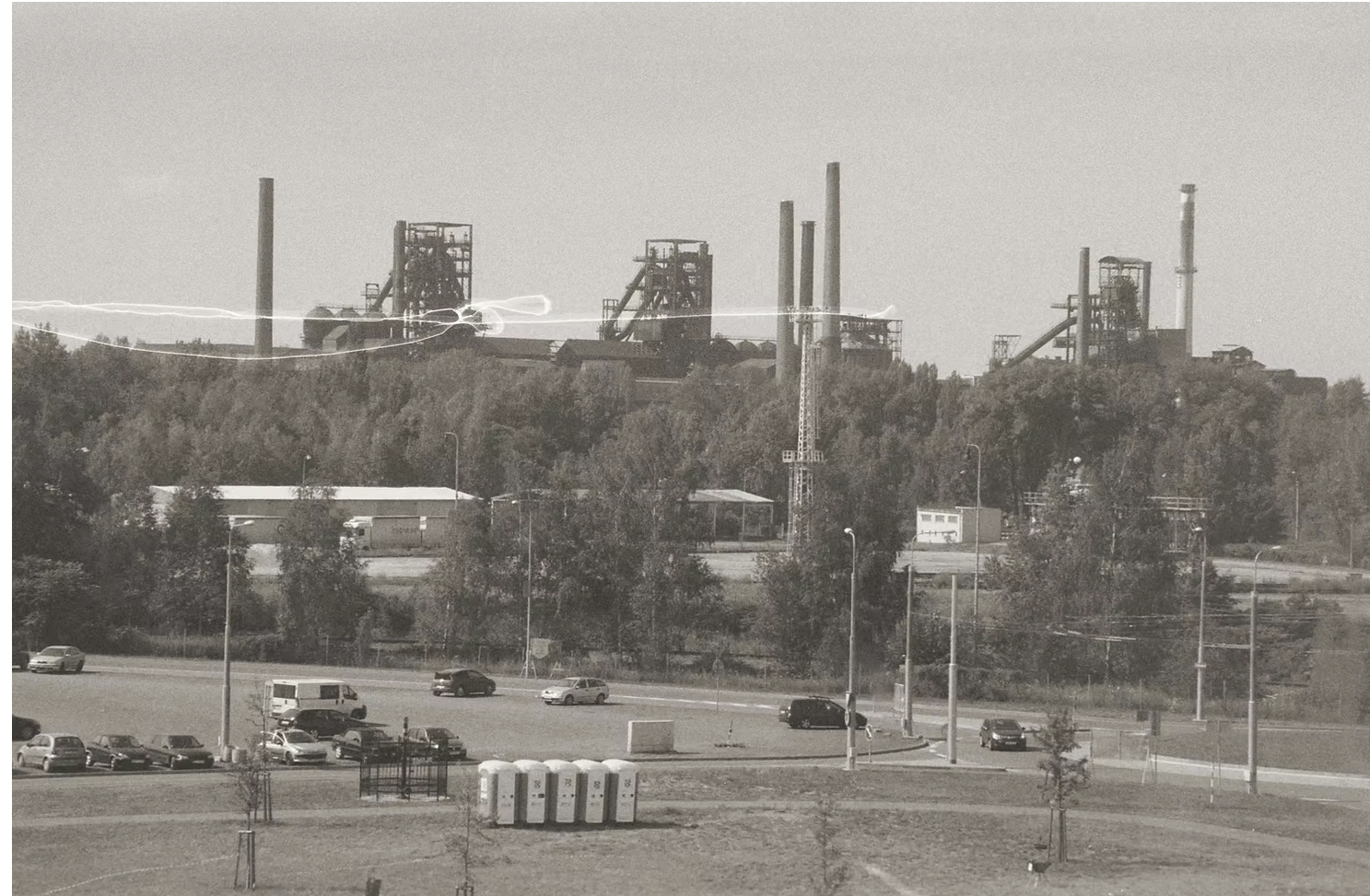
    Industrial lands are the engines of manufacturing, logistics, and heavy commercial activity. They are also significant producers and storers of waste. From packaging and production residues to hazardous chemicals and construction debris, the volume and diversity of waste on these sites pose both operational and environmental challenges.

    Historically, industrial areas have often been chosen for waste handling facilities, including landfills, transfer stations, and recycling depots, because they are zoned for heavy use and located away from residential neighborhoods. While this can make logistical sense, it also creates long-term environmental and land use considerations that require careful planning.

    Types of Waste Found on Industrial Lands

    Industrial zones generate multiple waste streams, often at high volumes. Common types include:

    Organic wasteFood scraps from cafeterias, landscaping debris, and byproducts from food processing or agricultural processing facilities.

    RecyclablesCardboard, plastics, metals, and paper from packaging, shipping, and manufacturing processes.

    Residual non-recyclables – Materials contaminated with oils, adhesives, or other substances that prevent recovery.

    Hazardous and toxic waste – Chemicals, solvents, heavy metals, and other regulated substances that require specialized handling and disposal.

    Construction and demolition waste – Concrete, asphalt, treated wood, insulation, and other debris from facility expansion or tenant turnover.

    Challenges of Waste Management on Industrial Lands

    Managing waste in industrial areas is not simply about collecting and hauling it away. Several factors make the process more complex:

    • High volume and density. Multiple operators in close proximity can produce more waste than the available infrastructure can efficiently handle.
    • Environmental risk. Improperly stored or handled waste can contaminate soil, air, and groundwater.
    • Regulatory compliance. Businesses must adhere to local, provincial, and federal waste management laws, with strict penalties for violations.
    • Land use impact. Sites used for long-term waste disposal can face restrictions and costly remediation before redevelopment.

    Environmental and Economic Impacts

    Poor waste management on industrial lands can have ripple effects that last for decades. These include:

    • Soil and groundwater contamination
    • Greenhouse gas emissions from decomposing organic waste
    • Reduced land value due to contamination or remediation requirements
    • Increased costs for cleanup and compliance
    • Negative community and stakeholder perceptions

    Conversely, effective waste management can reduce operating costs, improve environmental performance, and preserve land value for future uses.

    Redevelopment of Waste-Impacted Industrial Lands

    When portions of industrial sites have been used for landfill or waste storage, redevelopment becomes a more complex but not impossible process. Common reuse options include:

    • Light industrial facilities with shallow foundations over capped landfills
    • Renewable energy installations such as solar arrays or landfill gas-to-energy projects
    • Green infrastructure including stormwater management areas or buffer zones

    The key to safe redevelopment is thorough environmental assessment, regulatory clearance, and long-term monitoring.

    Solutions for Better Waste Management in Industrial Areas

    Forward-thinking industrial operators are adopting integrated waste management systems to minimize landfill use and environmental risk. Strategies include:

    • On-site composting for organic waste to reduce hauling costs and methane emissions
    • Centralized waste facilities for multi-tenant industrial parks to improve efficiency and compliance
    • Waste tracking and analytics to identify diversion opportunities and streamline processes
    • Employee training and clear signage to improve source separation and recycling rates

    The Role of Terraforma Systems

    Terraforma Systems offers tools that help industrial operations turn waste management from a liability into a strategic advantage. The T-REX Composter processes organics directly on site, eliminating the need for landfill disposal and reducing emissions. TFS IQ provides real-time waste data, enabling operators to track performance, meet compliance requirements, and identify cost saving opportunities.

    Moving Toward Sustainable Industrial Land Use

    Waste on industrial lands is an unavoidable reality. The way it is managed determines whether it becomes a costly burden or a driver for efficiency and sustainability. By combining innovative technology, regulatory compliance, and proactive waste reduction, industrial areas can maintain their economic productivity while protecting environmental and community health.

    With the right systems in place, today’s industrial lands can continue to support industry while safeguarding their long-term value. In some cases, waste-impacted sites can even be transformed into productive assets once again.

  • Fostering a Green Company Culture Through Employee Engagement in Sustainability

    Fostering a Green Company Culture Through Employee Engagement in Sustainability

    Sustainability isn’t just a talking point—it’s a practical necessity for companies aiming to thrive while making a positive impact. But sustainability efforts are only as strong as the people behind them. That’s why engaging employees is critical, and the T-REX Composter provides the perfect tool to bring sustainability to life. By turning food waste into nutrient-rich compost on-site, the T-REX Composter makes sustainability tangible, empowering employees to actively participate in reducing waste and improving environmental outcomes.

    Hands holding a wooden tray with three small plant seedlings in brown pots. Neutral background, focus on growth and nurturing. Cultivating green company culture.

    Why the T-REX Composter Drives Employee Engagement

    A Hands-On Sustainability Tool

    The T-REX Composter turns sustainability into something employees can see, touch, and contribute to daily. Instead of simply disposing of food waste, employees become part of a process that transforms waste into valuable compost. However, it’s important to note that only designated operators are authorized to run the machine. This ensures safe and efficient operation while maintaining employee involvement in waste separation and sustainability efforts.

    A Visible Commitment to Sustainability

    When employees see a T-REX Composter in action, it’s a clear signal that the company is serious about reducing its environmental footprint. Unlike temporary campaigns or generic recycling programs, the T-REX Composter is a long-term, impactful solution that shows sustainability is embedded in the company’s operations—not just a box to check.

    Inspiring Innovation and Ownership

    Employees involved in waste separation and tracking composting results often generate new ideas for reducing waste and utilizing compost effectively. Whether it’s streamlining waste collection or finding creative ways to use the finished compost, the T-REX Composter inspires innovation and gives employees a sense of ownership in sustainability initiatives.

    Building Team Spirit

    The T-REX Composter fosters collaboration. From organizing waste separation systems to tracking composting progress, employees work together to achieve sustainability goals. This teamwork boosts morale and strengthens bonds, creating a unified culture around shared environmental values.

    Making Sustainability Part of Daily Operations with the T-REX Composter

    Educate and Involve Employees

    Introduce the T-REX Composter to your team through hands-on demonstrations or workshops. Show them how food waste is processed and turned into compost, emphasizing the environmental and financial benefits. While employees play a key role in sustainability efforts, only trained operators handle the machine itself to ensure safety and compliance.

    Integrate Composting into Routine Tasks

    Make the T-REX Composter part of employees’ everyday workflows by establishing easy-to-use waste separation systems. While only operators manage the machine, employees can actively contribute by sorting waste properly and ensuring materials are compostable. This integration normalizes sustainability as a daily practice.

    Set Clear Goals and Track Progress

    Define measurable goals for your T-REX Composter, such as reducing landfill waste by a specific percentage or producing a certain amount of compost. Share progress with employees regularly to keep them engaged and celebrate milestones together.

    Encourage Employee-Led Initiatives

    Empower employees to take charge of sustainability projects, like managing waste streams or finding uses for the compost produced. While only trained operators can run the machine, broader employee involvement builds a sense of ownership and ensures the program’s long-term success.

    The T-REX Difference

    Adopting the T-REX Composter doesn’t just benefit the environment—it transforms your company’s approach to sustainability:

    • Tangible Environmental Impact: Divert significant amounts of organic waste from landfills while reducing greenhouse gas emissions.
    • Cost Savings: Eliminate or minimize waste hauling costs while generating a valuable soil amendment for landscaping or community projects.
    • Boosting Employee Engagement: Provide a practical way for employees to contribute to sustainability efforts, increasing their connection to the company’s mission.
    • Reputation Building: Demonstrate leadership in sustainability to customers, stakeholders, and the wider community.

    A Shared Mission

    Incorporating the T-REX Composter into your operations is more than an environmental initiative—it’s a catalyst for cultural change. By involving employees in waste transformation and sustainability efforts, you create a workplace where everyone feels invested in making a difference. While the T-REX is operated exclusively by trained personnel, its presence and impact inspire employee engagement in sustainability. The T-REX Composter isn’t just a tool; it’s a bridge between company goals and employee action, driving meaningful progress for your business and the planet.