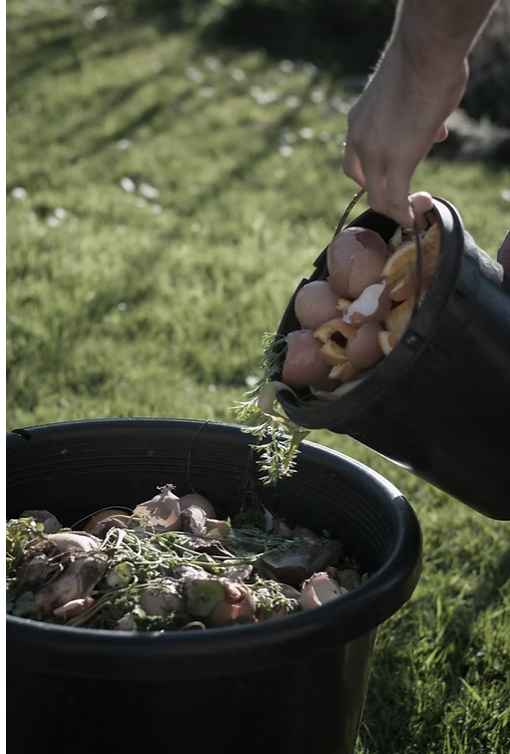

When people discuss sustainability, the conversation often focuses on carbon footprints, renewable energy, or recycling programs. One key part of the equation is often overlooked is biodiversity. From invisible microbes to essential insects and plants, biodiversity plays a powerful and often underappreciated role in how we manage waste in sustainable ways.
What Is Biodiversity and Why Does It Matter?
Biodiversity is the variety of life found in ecosystems. This includes everything from bacteria and fungi to plants, insects, and animals. In the context of waste management, biodiversity doesn’t just support nature in general. It directly helps break down, recycle, and renew organic materials.
Nature already processes waste with impressive efficiency. When organic waste is handled properly, it becomes a valuable resource rather than something to throw away. That transformation happens because of the many living organisms working together in the system.
Microbial Diversity Drives Decomposition
A single handful of healthy compost contains billions of microorganisms. These include bacteria, fungi, and protozoa. Each one has a specific job in breaking down organic matter and turning it into stable, nutrient-rich compost.
The more diverse these microbes are, the better they are at breaking things down. A rich microbial community adapts more easily to changes, produces fewer odors, and results in higher-quality compost. These tiny organisms may be invisible, but they are essential to the entire process.
Insects and Decomposers Do the Heavy Lifting
Larger soil organisms like insects and earthworms also play a key role. Earthworms help mix and aerate compost, which allows oxygen to flow and supports microbial activity. Insects like beetles and ants break down materials into smaller pieces in nature, making it easier for microbes to continue the process.
These creatures do best in healthy, chemical-free environments. When biodiversity is protected, these decomposers thrive and help turn organic waste into something useful and sustainable.
Plant Diversity Supports Healthy Waste Cycles
Biodiversity above ground is just as important. Different types of plants have varied root systems that improve soil structure, help absorb nutrients, and create space for helpful organisms to live.
When compost is used in areas with a wide mix of plants, the impact is even greater. Soil holds water better, nutrients cycle more efficiently, and the whole ecosystem becomes healthier. Compost supports biodiversity, and in return, biodiversity strengthens the effectiveness of compost.
Threats to Biodiversity in Waste Systems
Many modern farming and industrial practices unintentionally damage biodiversity. Using synthetic fertilizers and pesticides can sterilize the soil and kill helpful organisms. Monoculture farms, which grow just one type of crop, often create waste that lacks the variety of nutrients needed for rich compost.
What Can Businesses and Communities Do?
The good news is that protecting biodiversity in waste systems doesn’t require massive changes. Small, thoughtful choices can make a big difference. Here are some simple actions to consider:
- Limit chemical use. Avoid pesticides and synthetic fertilizers that harm the organisms in soil.
- Plant native species. Native plants help maintain ecological balance and support pollinators and decomposers.
- Support regenerative practices. Choose to work with suppliers and farmers who value soil health and biodiversity.
- Educate others. Help teams and communities understand how biodiversity improves waste management.
How to Monitor Biodiversity in Waste Systems
Monitoring biodiversity doesn’t have to be complicated. Here are some simple ways to observe the health of your composting or organic waste system:
- Look for visible life. Earthworms, beetles, ants, and other small insects are clear signs that your system supports decomposers. Fungal threads or mold-like patches can also indicate healthy biological activity.
- Pay attention to compost quality. Healthy compost is dark, crumbly, and smells earthy, not sour nor rotten. This suggests microbes and decomposers are doing their jobs well.
- Notice how quickly waste breaks down. When organic matter decomposes at a steady pace without clumps of unfinished material, it often means the system has a balanced and active community of organisms.
- Use a simple observation checklist. Recording what you see over time—types of insects, presence of worms, texture of compost—can help you notice patterns and spot issues early.
These basic checks can be done without special equipment and provide a reliable snapshot of your system’s biological health.
Conclusion
Biodiversity is more than just an environmental concept. It is a living system that powers sustainability from the ground up. When we align waste management with nature, our systems become more efficient, more resilient, and more capable of renewal.
Protecting biodiversity is not only good for the environment. It is also a smart, practical approach to managing organic waste. By working with nature, we can turn waste into a resource and create systems that support life in all its forms.