

Tag: soil

  • Biodiversity’s Role in Sustainable Waste Management

    Biodiversity’s Role in Sustainable Waste Management

    When people discuss sustainability, the conversation often focuses on carbon footprints, renewable energy, or recycling programs. One key part of the equation is often overlooked is biodiversity. From invisible microbes to essential insects and plants, biodiversity plays a powerful and often underappreciated role in how we manage waste in sustainable ways.

    What Is Biodiversity and Why Does It Matter?

    Biodiversity is the variety of life found in ecosystems. This includes everything from bacteria and fungi to plants, insects, and animals. In the context of waste management, biodiversity doesn’t just support nature in general. It directly helps break down, recycle, and renew organic materials.

    Nature already processes waste with impressive efficiency. When organic waste is handled properly, it becomes a valuable resource rather than something to throw away. That transformation happens because of the many living organisms working together in the system.

    Microbial Diversity Drives Decomposition

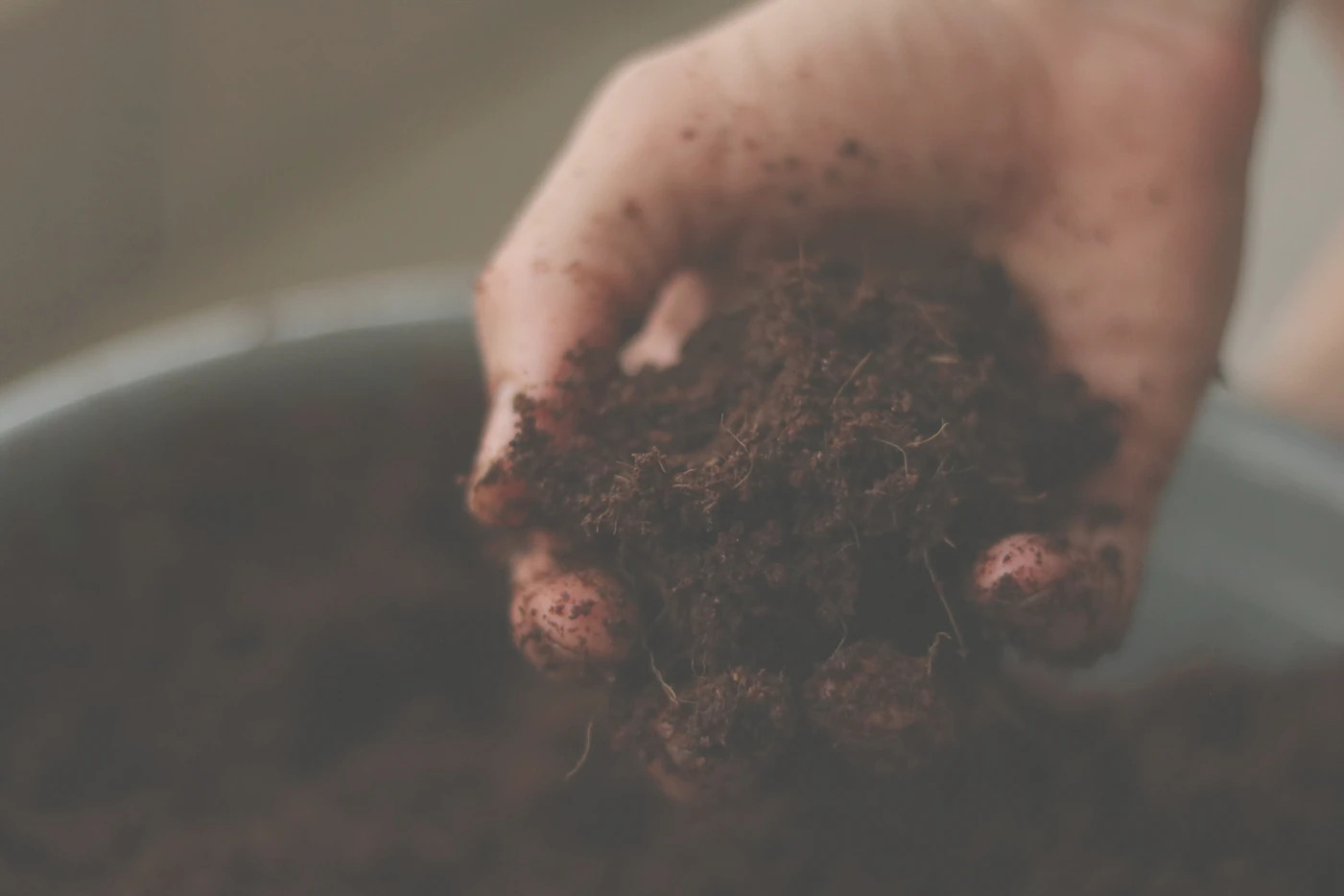
    A single handful of healthy compost contains billions of microorganisms. These include bacteria, fungi, and protozoa. Each one has a specific job in breaking down organic matter and turning it into stable, nutrient-rich compost.

    The more diverse these microbes are, the better they are at breaking things down. A rich microbial community adapts more easily to changes, produces fewer odors, and results in higher-quality compost. These tiny organisms may be invisible, but they are essential to the entire process.

    Insects and Decomposers Do the Heavy Lifting

    Larger soil organisms like insects and earthworms also play a key role. Earthworms help mix and aerate compost, which allows oxygen to flow and supports microbial activity. Insects like beetles and ants break down materials into smaller pieces in nature, making it easier for microbes to continue the process.

    These creatures do best in healthy, chemical-free environments. When biodiversity is protected, these decomposers thrive and help turn organic waste into something useful and sustainable.

    Plant Diversity Supports Healthy Waste Cycles

    Biodiversity above ground is just as important. Different types of plants have varied root systems that improve soil structure, help absorb nutrients, and create space for helpful organisms to live.

    When compost is used in areas with a wide mix of plants, the impact is even greater. Soil holds water better, nutrients cycle more efficiently, and the whole ecosystem becomes healthier. Compost supports biodiversity, and in return, biodiversity strengthens the effectiveness of compost.

    Threats to Biodiversity in Waste Systems

    Many modern farming and industrial practices unintentionally damage biodiversity. Using synthetic fertilizers and pesticides can sterilize the soil and kill helpful organisms. Monoculture farms, which grow just one type of crop, often create waste that lacks the variety of nutrients needed for rich compost.

    What Can Businesses and Communities Do?

    The good news is that protecting biodiversity in waste systems doesn’t require massive changes. Small, thoughtful choices can make a big difference. Here are some simple actions to consider:

    • Limit chemical use. Avoid pesticides and synthetic fertilizers that harm the organisms in soil.
    • Plant native species. Native plants help maintain ecological balance and support pollinators and decomposers.
    • Support regenerative practices. Choose to work with suppliers and farmers who value soil health and biodiversity.
    • Educate others. Help teams and communities understand how biodiversity improves waste management.

    How to Monitor Biodiversity in Waste Systems

    Monitoring biodiversity doesn’t have to be complicated. Here are some simple ways to observe the health of your composting or organic waste system:

    • Look for visible life. Earthworms, beetles, ants, and other small insects are clear signs that your system supports decomposers. Fungal threads or mold-like patches can also indicate healthy biological activity.
    • Pay attention to compost quality. Healthy compost is dark, crumbly, and smells earthy, not sour nor rotten. This suggests microbes and decomposers are doing their jobs well.
    • Notice how quickly waste breaks down. When organic matter decomposes at a steady pace without clumps of unfinished material, it often means the system has a balanced and active community of organisms.
    • Use a simple observation checklist. Recording what you see over time—types of insects, presence of worms, texture of compost—can help you notice patterns and spot issues early.

    These basic checks can be done without special equipment and provide a reliable snapshot of your system’s biological health.

    Conclusion

    Biodiversity is more than just an environmental concept. It is a living system that powers sustainability from the ground up. When we align waste management with nature, our systems become more efficient, more resilient, and more capable of renewal.

    Protecting biodiversity is not only good for the environment. It is also a smart, practical approach to managing organic waste. By working with nature, we can turn waste into a resource and create systems that support life in all its forms.
  • Boosting Soil Health and Odor Management with On-Site Composting

    Boosting Soil Health and Odor Management with On-Site Composting

    As businesses strive for more sustainable and efficient operations, on-site composting is gaining traction as a powerful tool. Beyond minimizing waste and cutting down on hauling costs, this approach brings two often-overlooked but crucial benefits, improved soil health and effective odor management. Below are some of the reasons why these advantages are encouraging more companies to switch to on-site composting and how they can transform your sustainability strategy.

    Hidden Benefit of On-Site Composting ― Nurturing Soil Health

    Healthy soil is the unsung hero behind thriving landscapes and agricultural productivity. On-site composting turns your organic waste into a nutrient-rich soil amendment resource that enriches soil structure, supports beneficial microorganisms, and promotes long-term soil health in the right conditions. Unlike chemical fertilizers that may deliver a short-lived boost but risk depleting the land over time, soil amendment fosters a balanced, regenerative environment.

    The soil amendment created through on-site organics and post-consumer packaging composting helps improve water retention and soil aeration, which in turn leads to healthier plant growth and greater resilience against erosion. For businesses with landscaping needs or agricultural interests, this results in robust, fertile soil that supports sustainable growth year after year. The process of transforming waste into a valuable soil amendment embodies a circular approach to sustainability that not only reduces waste but enhances natural ecosystems.

    Debunking Odor Management Myths

    A common misconception about composting is that it comes with inevitable, off-putting odors. However, on-site composting can be managed effectively to keep odor concerns at bay. By maintaining a balance of carbon-rich and nitrogen-rich materials and ensuring proper aeration, businesses can create the ideal environment for composting that minimizes unwanted smells.

    The advantage of on-site composting over traditional waste handling methods lies in the control it offers. When organic waste is left to sit for days before being transported, decomposition can lead to unpleasant odors that affect operations and relationships with neighboring properties. On-site composting systems address this by processing waste promptly, reducing the potential for odor development. This is especially important for businesses operating in urban or densely populated areas where maintaining a clean and pleasant environment is a priority.

    Why It Matters for Your Business

    Adopting on-site composting isn’t just about being eco-friendly; it’s about making smarter, more resource-efficient choices that benefit your bottom line and your reputation. Enhanced soil health means sustainable landscaping or agricultural practices that align with a company’s commitment to the environment. Composting in-house adds value by producing a consistent supply of organic material that keeps soils healthy without relying on synthetic inputs.

    Effective odor control further strengthens your company’s operations by ensuring positive community interactions. Businesses that prioritize these aspects send a clear message that they’re committed to thoughtful, comprehensive waste management that considers both environmental impact and practical, day-to-day needs.

    Future of Sustainable Operations ― From Waste to Resource

    The shift to on-site composting is about more than reducing waste; it’s about redefining waste as a resource. By embracing composting practices that enhance soil health and manage odors efficiently, companies can transform their waste management from a cost aspect into a strategic advantage. This approach promotes sustainability, supports long-term growth, and solidifies the business as a leader in environmentally conscious practices.

    Elevate your waste management strategy and join the growing number of businesses transforming their sustainability game with on-site composting. Enhanced soil health and effective odor management aren’t just benefits—they’re the pillars of a smarter future.

  • Soil Amendment: What It Is and How to Use It

    Soil Amendment: What It Is and How to Use It

    Soil amendments are a crucial practice for those seeking to optimize the health of their agricultural and garden soils. While natural soil can be inconsistent in nutrient levels, texture, and water retention, the use of soil amendments helps address these issues. The T-REX Composter, with its advanced technology, provides a sustainable way to create high-quality soil amendments, transforming organic waste into a valuable resources.Comprehensive Maintenance Plan for Your T-REX Composter

    Understanding Soil Amendment

    Soil amendments are materials added to soil to improve its physical properties, nutrient content, and overall structure. Unlike fertilizers, which directly supply nutrients to plants, soil amendments enhance the soil’s capacity to support plant growth. This includes improving aeration, water retention, drainage, and nutrient availability. The T-REX Composter produces a rich compost that serves as an excellent soil amendment, offering a balanced blend of organic matter that boosts soil health.

    Why Soil Amendment Is Important

    Most soils are far from perfect. They can be too sandy, or simply lacking in organic matter. These conditions can lead to poor plant growth, waterlogging, or drought stress. Soil amendments help to address these issues by modifying the soil’s structure and composition. For instance, the compost generated by the T-REX Composter can loosen compacted soil, improving root penetration and water movement, while also helping sandy soils retain moisture and nutrients.

    How to Use Soil Amendment from the T-REX Composter

    Before applying any soil amendments, it’s essential to conduct a soil test to understand your soil’s needs. This will guide you in determining the right amount and type of amendment to use. Once you have your results, incorporating compost from the T-REX Composter is straightforward.

    For existing agricultural soils and garden beds, spread a layer of compost about 1-2 inches thick over the soil surface. Then, gently work it into the top few inches of soil. This method improves the soil structure and introduces essential nutrients gradually, promoting long-term soil fertility. In new areas with very poor soil, you can incorporate a thicker layer, around 2-4 inches, to give your plants the best possible start.

    The compost from the T-REX Composter is particularly effective because it is fully decomposed and rich in organic matter. It not only provides nutrients but also supports beneficial microbial activity in the soil, which is vital for plant health. Additionally, regular application of compost helps maintain soil structure, preventing compaction and ensuring that your plants receive the water and nutrients they need.

    Benefits of Regular Soil Amendment

    Using compost from the T-REX Composter as a soil amendment offers numerous benefits. It enhances soil fertility by adding essential nutrients and organic matter, improves soil texture, and increases the soil’s ability to retain moisture. Over time, this leads to healthier plants, higher yields, and a more resilient farmland and garden ecosystem.

    Moreover, by using compost as a soil amendment, you contribute to sustainable gardening practices. The T-REX Composter turns food scraps and other organic waste into a valuable resource, reducing landfill waste and promoting a circular approach to agriculture and gardening. This not only benefits your garden but also helps in conserving natural resources and protecting the environment.

    Soil Amendment gallery image

    In Summary

    Soil amendments are an essential practice for any farmer or gardener looking to improve soil health and plants. The T-REX Composter provides a convenient and eco-friendly way to produce high-quality compost, which can be used to amend your soil effectively. By regularly incorporating this compost into your land and garden, you can create a fertile, well-structured soil that supports plant growth and a thriving farmland and garden ecosystems.

  • Transform Waste into Opportunity with On-Site Composting

    Transform Waste into Opportunity with On-Site Composting

    Imagine a busy food court or office cafeteria where trays of leftover food are tossed into the trash, bound for a landfill. This is a common sight in many places. Now, consider an alternative where those scraps never leave the building. Instead of being discarded, they are transformed into something valuable right on-site. This is the potential of on-site composting, offering a practical and sustainable solution for managing organic waste.

    The Composting Process

    Composting is nature’s way of recycling organic materials such as food scraps into nutrient-rich soil amendment. Items often seen as waste, including vegetable peels and coffee grounds, become valuable resources through this process. Rather than contributing to landfills, these materials enrich the soil and support plant growth.

    Microbes are the driving force behind composting. When organic waste is collected and placed in a composting system, these organisms immediately begin breaking it down. Initially, the process remains cool as softer materials like fruit peels decompose. Over time, the compost heats up, breaking down tougher materials while eliminating harmful pathogen.

    Aeration is essential to the process. Without oxygen, decomposition slows and unpleasant odors can develop. Regularly turning the compost or using a system with built-in aeration keeps oxygen circulating, ensuring efficient breakdown and odor control.

    On-Site Composting for Your Business

    Before implementing on-site composting, it is important to determine if your business produces enough organic waste to make it effective. Consider whether your building generates a steady stream of food scraps and if there is enough space to accommodate a composting system, keeping in mind that Terraforma Systems offers several different machine sizes depending on your building needs and requirements.

    Businesses with a consistent flow of organic waste can benefit from reduced waste hauling costs and enhanced sustainability practices. On-site composting is an ideal solution for organizations committed to reducing their environmental impact while managing waste more efficiently.

    The Journey of Waste to Compost

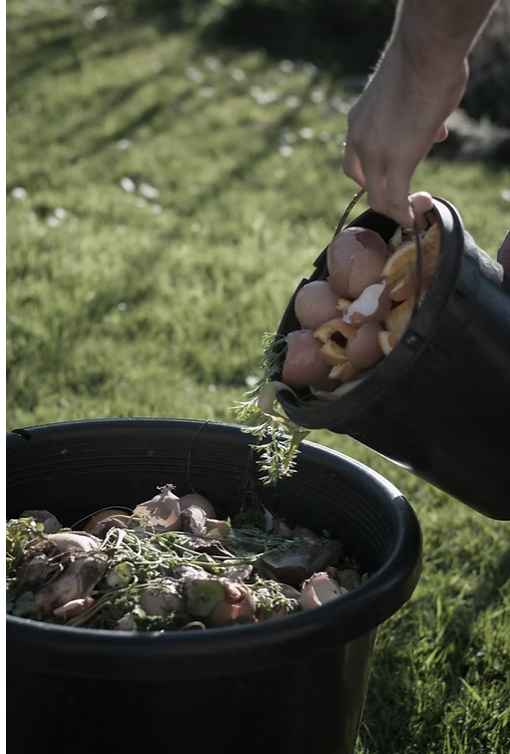
    The process begins when organic waste, such as banana peels, eggshells, or coffee grounds, enters the composter. Businesses and malls often place designated bins in food courts, cafeterias, kitchens, or outdoor areas to collect these scraps. Inside the composter, microbes break down the organic material into simpler compounds, eventually forming a nutrient-rich and dark soil amendment.

    As decomposition continues, heat naturally builds up, accelerating the breakdown process and eliminating harmful pathogens. Many composting systems include aeration features to keep microbes active and prevent odors, making the process efficient and clean.

    The Benefits of Using The Output Soil Amendment

    Within up to 24 hours, the organic material transforms into dark, crumbly soil amendment that is ready to be used to enrich soil after treatment. This nutrient-packed product can be used to enhance landscaping, gardens, or urban farms, reducing the need for chemical fertilizers.

    Businesses with large campuses or green spaces can use compost to maintain their grounds sustainably. In urban areas, excess compost can be donated to community gardens, supporting local food production and fostering stronger community ties. On-site composting not only reduces waste but also creates a positive environmental impact.

    Reducing Costs and Environmental Impact

    On-site composting helps businesses save on waste hauling expenses by eliminating the need to transport food scraps to external facilities. This approach reduces transportation costs and disposal fees, providing a cost-effective waste management solution.

    By sending less organic waste to landfills, businesses also cut methane emissions, a significant contributor to climate change. On-site composting helps lower a company’s carbon footprint while demonstrating a strong commitment to sustainability.

    Supporting the Circular Economy

    On-site composting supports the circular economy by viewing waste as a resource rather than something to be discarded. Businesses that adopt this approach demonstrate leadership in sustainability, which resonates with eco-conscious clients and consumers. By transforming waste into a valuable resource, companies contribute to a healthier planet and enhance their brand image.

    A Step Toward Sustainability

    On-site composting goes beyond waste reduction by reshaping how businesses view organic material. Instead of discarding valuable resources, companies can turn them into a product that nourishes the environment, reduces costs, and supports sustainability efforts. This simple yet impactful step transforms waste into an asset, benefitting both the business and the planet.