
Tag: sustainable land use

  • Sustainability Is No Longer Optional in Waste Management

    Sustainability Is No Longer Optional in Waste Management

    For years, sustainability in waste management was treated as an afterthought, a checkbox at the end of operations or a side project for organizations with extra budget or time.

    But today, sustainability is not a bonus. It’s the new standard.

    Rising environmental pressures, regulatory requirements, and public expectations have transformed how organizations handle their waste. Whether you’re managing a stadium, a resort, a corporate campus, or a municipality, sustainable waste management is no longer just a responsible choice. It’s a practical necessity.

    At Terraforma Systemssustainability isn’t an accessory. It’s engineered into every product we create. Our T-REX composters process organic waste directly on site, reducing hauling needs and emissions. Our TFS IQ platform provides data visibility and control, helping facilities track, optimize, and report on their waste streams in real time.

    This article explores why sustainability is now essential and how Terraforma Systems helps clients meet that challenge.

    Why Sustainability Matters More Than Ever

    The shift toward sustainable waste management isn’t driven by trends. It’s a response to urgent global realities.

    Environmental Pressures Are Increasing

    Organic waste is one of the largest contributors to methane emissions when sent to landfill. Rising climate risks demand systems that not only manage waste efficiently but also minimize its environmental impact. On-site composting provides a tangible, measurable way to reduce emissions and create value from waste.

    Resources Are Limited

    Hauling waste long distances is costly in fuel, time, and emissions. Traditional disposal methods depend on fragile external infrastructure and rising landfill fees. By processing waste where it’s generated, organizations reduce operating costs and reliance on outside systems.

    People Are Paying Attention

    Customers, employees, and regulators are asking for transparency. They want to know where waste goes, how it’s managed, and what’s being done to minimize impact. Sustainable practices are becoming a key part of brand reputation and public trust.

    Policy and Regulation Are Catching Up

    Municipalities and governing bodies are introducing stricter rules on organics diversion, landfill bans, and emissions tracking. Sustainable waste management isn’t just encouraged; it’s becoming a requirement.

    The Problem with Traditional Waste Management

    Most conventional systems are reactive, fragmented, and dependent on hauling. They create high costs, inconsistent data, and large carbon footprints.

    Common challenges include:

    • Frequent hauling and transportation emissions
    • Limited or inaccurate waste data
    • Contamination and poor sorting practices
    • High disposal costs over time
    • Missed opportunities for resource recovery

    These issues add up financially, operationally, and environmentally.

    The Terraforma Approach

    Terraforma Systems was created to transform how organizations handle organic waste. Our solutions make sustainability measurable, achievable, and built into everyday operations.

    Here’s how we make waste management more efficient and responsible.

    On-Site Composting Reduces Waste and Emissions

    Our T-REX composters process food scraps and organics directly at the source, reducing waste volume by up to 80% in 24 hours. This significantly minimizes hauling frequency and landfill disposal, leading to:

    Real-Time Data and Insights with TFS IQ

    Our TFS IQ platform gives teams a clear view of their waste performance. It tracks volumes, usage, and trends, providing the data needed to meet compliance requirements and sustainability goals.

    With TFS IQ, organizations can:

    • Monitor and manage waste data in real time
    • Track performance across multiple locations
    • Identify opportunities for improvement
    • Demonstrate measurable progress toward Zero Waste and ESG goals

    Built for Reliability and Simplicity

    Each T-REX is designed for durability and ease of use, with features such as:

    • Automated processing and odor control
    • Built-in screen and sensor monitoring
    • Simple maintenance and remote diagnostics
    • Durable materials for long-term performance

    The result is a cleaner, quieter, and more efficient operation no matter the environment.

    Who’s Leading the Change

    Organizations across sectors are adopting on-site composting as part of their sustainability strategy.

    Convention Centres and Venues

    Large facilities producing high volumes of food waste are reducing hauling costs and improving diversion rates through on-site composting.

    Resorts and Hospitality

    Properties are turning food waste into compost for landscaping and gardens, creating closed-loop systems that guests can see and appreciate.

    Municipal and Corporate Campuses

    Organizations managing multiple sites use TFS IQ to monitor performance and standardize waste management across operations.

    Educational and Government Institutions

    Schools and public agencies use on-site composting to meet sustainability mandates and educate communities on waste reduction.

    The Benefits of On-Site Waste Management

    Switching to on-site composting and data-driven systems is not only good for the environment but also good for business.

    Benefits include:

    • Reduced hauling and disposal costs
    • Lower carbon footprint
    • Improved regulatory compliance
    • Clear performance data for ESG and reporting
    • Cleaner, more efficient operations
    • Measurable progress toward sustainability targets

    Most importantly, these systems build resilience, allowing organizations to take control of their waste, their costs, and their environmental impact.

    Built for a Changing World

    Sustainability is not a luxury anymore. It’s the baseline.

    At Terraforma Systems, we help organizations move beyond waste, turning a daily challenge into an opportunity for measurable impact. Our composting systems and data tools are designed for a world that demands smarter, cleaner, and more accountable waste management.

    Whether your goal is to reduce hauling, meet diversion targets, or demonstrate environmental leadership, we can help you get there.

    Explore More

    Visit our resources page to learn more about:

    Or contact our team to discuss your site, your goals, and how we can help you manage waste responsibly.

    Sustainability is not a feature. It’s the foundation of how we build a cleaner future.

  • Biodiversity’s Role in Sustainable Waste Management

    Biodiversity’s Role in Sustainable Waste Management

    When people discuss sustainability, the conversation often focuses on carbon footprints, renewable energy, or recycling programs. One key part of the equation is often overlooked is biodiversity. From invisible microbes to essential insects and plants, biodiversity plays a powerful and often underappreciated role in how we manage waste in sustainable ways.

    What Is Biodiversity and Why Does It Matter?

    Biodiversity is the variety of life found in ecosystems. This includes everything from bacteria and fungi to plants, insects, and animals. In the context of waste management, biodiversity doesn’t just support nature in general. It directly helps break down, recycle, and renew organic materials.

    Nature already processes waste with impressive efficiency. When organic waste is handled properly, it becomes a valuable resource rather than something to throw away. That transformation happens because of the many living organisms working together in the system.

    Microbial Diversity Drives Decomposition

    A single handful of healthy compost contains billions of microorganisms. These include bacteria, fungi, and protozoa. Each one has a specific job in breaking down organic matter and turning it into stable, nutrient-rich compost.

    The more diverse these microbes are, the better they are at breaking things down. A rich microbial community adapts more easily to changes, produces fewer odors, and results in higher-quality compost. These tiny organisms may be invisible, but they are essential to the entire process.

    Insects and Decomposers Do the Heavy Lifting

    Larger soil organisms like insects and earthworms also play a key role. Earthworms help mix and aerate compost, which allows oxygen to flow and supports microbial activity. Insects like beetles and ants break down materials into smaller pieces in nature, making it easier for microbes to continue the process.

    These creatures do best in healthy, chemical-free environments. When biodiversity is protected, these decomposers thrive and help turn organic waste into something useful and sustainable.

    Plant Diversity Supports Healthy Waste Cycles

    Biodiversity above ground is just as important. Different types of plants have varied root systems that improve soil structure, help absorb nutrients, and create space for helpful organisms to live.

    When compost is used in areas with a wide mix of plants, the impact is even greater. Soil holds water better, nutrients cycle more efficiently, and the whole ecosystem becomes healthier. Compost supports biodiversity, and in return, biodiversity strengthens the effectiveness of compost.

    Threats to Biodiversity in Waste Systems

    Many modern farming and industrial practices unintentionally damage biodiversity. Using synthetic fertilizers and pesticides can sterilize the soil and kill helpful organisms. Monoculture farms, which grow just one type of crop, often create waste that lacks the variety of nutrients needed for rich compost.

    What Can Businesses and Communities Do?

    The good news is that protecting biodiversity in waste systems doesn’t require massive changes. Small, thoughtful choices can make a big difference. Here are some simple actions to consider:

    • Limit chemical use. Avoid pesticides and synthetic fertilizers that harm the organisms in soil.
    • Plant native species. Native plants help maintain ecological balance and support pollinators and decomposers.
    • Support regenerative practices. Choose to work with suppliers and farmers who value soil health and biodiversity.
    • Educate others. Help teams and communities understand how biodiversity improves waste management.

    How to Monitor Biodiversity in Waste Systems

    Monitoring biodiversity doesn’t have to be complicated. Here are some simple ways to observe the health of your composting or organic waste system:

    • Look for visible life. Earthworms, beetles, ants, and other small insects are clear signs that your system supports decomposers. Fungal threads or mold-like patches can also indicate healthy biological activity.
    • Pay attention to compost quality. Healthy compost is dark, crumbly, and smells earthy, not sour nor rotten. This suggests microbes and decomposers are doing their jobs well.
    • Notice how quickly waste breaks down. When organic matter decomposes at a steady pace without clumps of unfinished material, it often means the system has a balanced and active community of organisms.
    • Use a simple observation checklist. Recording what you see over time—types of insects, presence of worms, texture of compost—can help you notice patterns and spot issues early.

    These basic checks can be done without special equipment and provide a reliable snapshot of your system’s biological health.

    Conclusion

    Biodiversity is more than just an environmental concept. It is a living system that powers sustainability from the ground up. When we align waste management with nature, our systems become more efficient, more resilient, and more capable of renewal.

    Protecting biodiversity is not only good for the environment. It is also a smart, practical approach to managing organic waste. By working with nature, we can turn waste into a resource and create systems that support life in all its forms.

  • Managing Risks and Maximizing Potential of Waste on Industrial Lands

    Managing Risks and Maximizing Potential of Waste on Industrial Lands

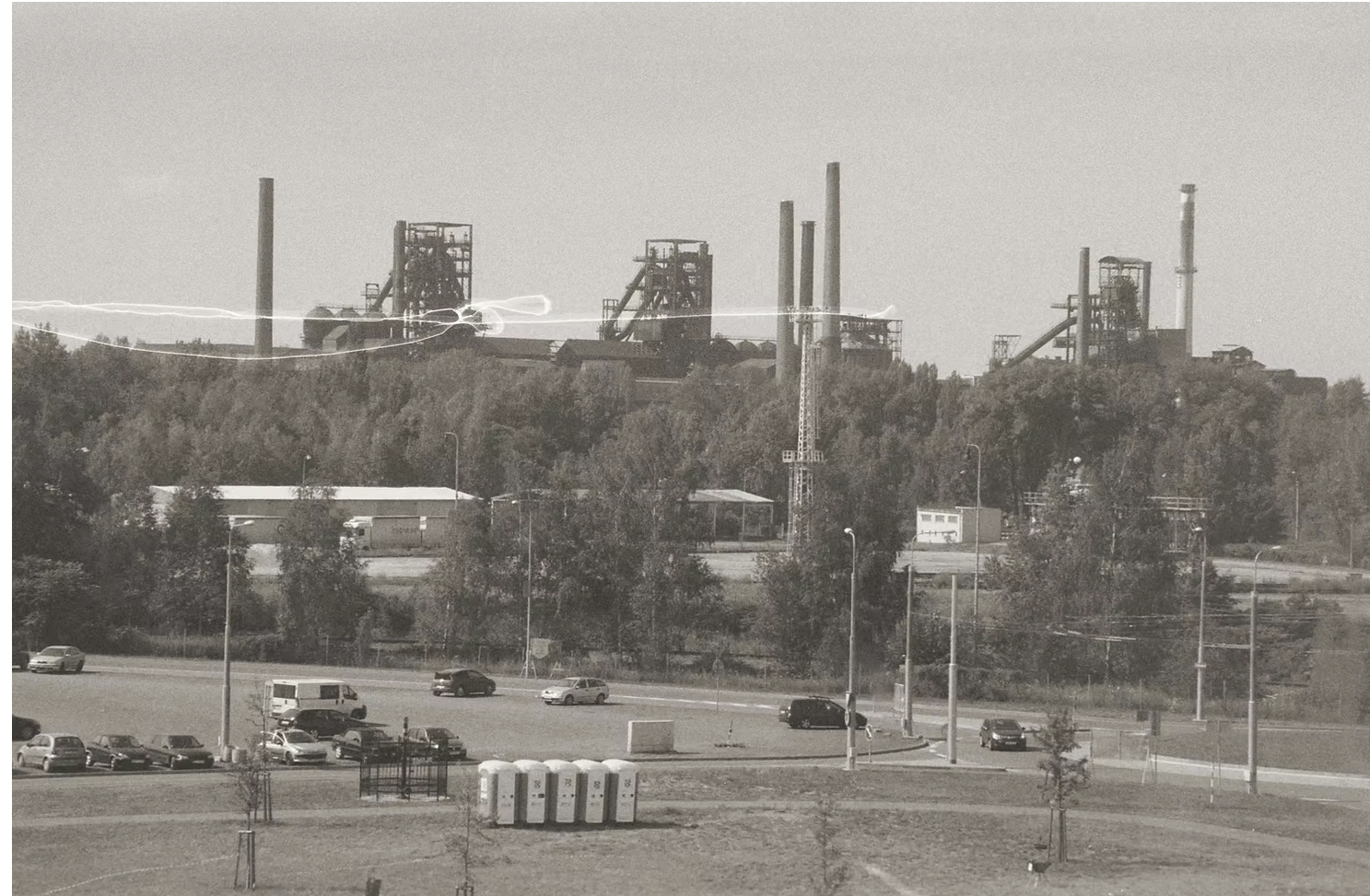
    Industrial lands are the engines of manufacturing, logistics, and heavy commercial activity. They are also significant producers and storers of waste. From packaging and production residues to hazardous chemicals and construction debris, the volume and diversity of waste on these sites pose both operational and environmental challenges.

    Historically, industrial areas have often been chosen for waste handling facilities, including landfills, transfer stations, and recycling depots, because they are zoned for heavy use and located away from residential neighborhoods. While this can make logistical sense, it also creates long-term environmental and land use considerations that require careful planning.

    Types of Waste Found on Industrial Lands

    Industrial zones generate multiple waste streams, often at high volumes. Common types include:

    Organic wasteFood scraps from cafeterias, landscaping debris, and byproducts from food processing or agricultural processing facilities.

    RecyclablesCardboard, plastics, metals, and paper from packaging, shipping, and manufacturing processes.

    Residual non-recyclables – Materials contaminated with oils, adhesives, or other substances that prevent recovery.

    Hazardous and toxic waste – Chemicals, solvents, heavy metals, and other regulated substances that require specialized handling and disposal.

    Construction and demolition waste – Concrete, asphalt, treated wood, insulation, and other debris from facility expansion or tenant turnover.

    Challenges of Waste Management on Industrial Lands

    Managing waste in industrial areas is not simply about collecting and hauling it away. Several factors make the process more complex:

    • High volume and density. Multiple operators in close proximity can produce more waste than the available infrastructure can efficiently handle.
    • Environmental risk. Improperly stored or handled waste can contaminate soil, air, and groundwater.
    • Regulatory compliance. Businesses must adhere to local, provincial, and federal waste management laws, with strict penalties for violations.
    • Land use impact. Sites used for long-term waste disposal can face restrictions and costly remediation before redevelopment.

    Environmental and Economic Impacts

    Poor waste management on industrial lands can have ripple effects that last for decades. These include:

    • Soil and groundwater contamination
    • Greenhouse gas emissions from decomposing organic waste
    • Reduced land value due to contamination or remediation requirements
    • Increased costs for cleanup and compliance
    • Negative community and stakeholder perceptions

    Conversely, effective waste management can reduce operating costs, improve environmental performance, and preserve land value for future uses.

    Redevelopment of Waste-Impacted Industrial Lands

    When portions of industrial sites have been used for landfill or waste storage, redevelopment becomes a more complex but not impossible process. Common reuse options include:

    • Light industrial facilities with shallow foundations over capped landfills
    • Renewable energy installations such as solar arrays or landfill gas-to-energy projects
    • Green infrastructure including stormwater management areas or buffer zones

    The key to safe redevelopment is thorough environmental assessment, regulatory clearance, and long-term monitoring.

    Solutions for Better Waste Management in Industrial Areas

    Forward-thinking industrial operators are adopting integrated waste management systems to minimize landfill use and environmental risk. Strategies include:

    • On-site composting for organic waste to reduce hauling costs and methane emissions
    • Centralized waste facilities for multi-tenant industrial parks to improve efficiency and compliance
    • Waste tracking and analytics to identify diversion opportunities and streamline processes
    • Employee training and clear signage to improve source separation and recycling rates

    The Role of Terraforma Systems

    Terraforma Systems offers tools that help industrial operations turn waste management from a liability into a strategic advantage. The T-REX Composter processes organics directly on site, eliminating the need for landfill disposal and reducing emissions. TFS IQ provides real-time waste data, enabling operators to track performance, meet compliance requirements, and identify cost saving opportunities.

    Moving Toward Sustainable Industrial Land Use

    Waste on industrial lands is an unavoidable reality. The way it is managed determines whether it becomes a costly burden or a driver for efficiency and sustainability. By combining innovative technology, regulatory compliance, and proactive waste reduction, industrial areas can maintain their economic productivity while protecting environmental and community health.

    With the right systems in place, today’s industrial lands can continue to support industry while safeguarding their long-term value. In some cases, waste-impacted sites can even be transformed into productive assets once again.