Tag: waste challenges

  • The Hidden Cost of Landfill Dependence in Modern Facilities

    The Hidden Cost of Landfill Dependence in Modern Facilities

    The System No One Questions

    Behind most large facilities, there is an area that rarely makes it into strategy meetings. It may sit behind cafeterias, along old commercial buildings’ loading docks, or besides industrial areas. Containers line the wall. Trucks arrive on schedule, empty them, and leave. The process feels routine and dependable. Because it has always functioned this way, it often goes unquestioned.

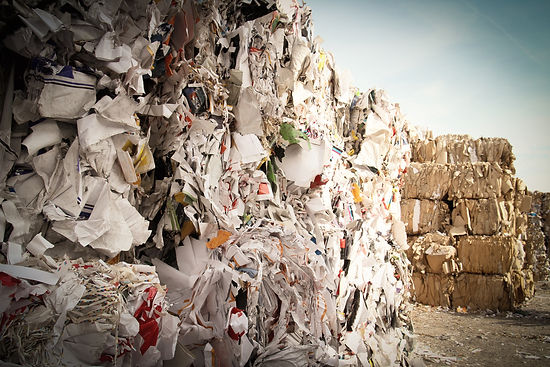
    Landfill disposal became the default decades ago, and for many organizations it still defines waste management. Yet default does not mean optimal. Over time, reliance on landfill creates layers of financial exposure and operational strain that are easy to overlook because they build gradually. A large portion of what many facilities send to landfill is recyclable, or organic materials such as food scraps and compostable items. When that material is buried instead of processed differently, the consequences extend far beyond the dumpster.

    The Growing Financial Weight of Landfill Waste

    Organic waste carries literal weight, and in waste management, weight drives cost. Food scraps and compostable materials add significant mass to containers, causing them to fill faster and require more frequent hauling. Every additional pickup increases transportation charges and landfill tipping fees. At first, these expenses appear manageable. Waste removal is simply another operating cost, absorbed into the annual budget.

    The pressure builds quietly over time. Hauling contracts are renegotiated. Disposal rates increase. Fuel costs fluctuate. In high volume environments and facilities’ operations, even small increases in pickup frequency can translate into meaningful annual expense. What once felt like a predictable cost becomes a steadily expanding obligation, tied largely to material that never needed to leave the property in the first place.

    The Overlooked Challenges Few Measure

    The financial impact tells only part of the story. Organic waste does not remain stable while it waits for removal. It breaks down quickly. Odors intensify, especially in warmer months. Sanitation teams must spend additional time managing cleanliness. Pest control demands increase. Storage areas fill rapidly, which can require added coordination to prevent overflow or emergency pickups.

    None of this typically triggers a crisis. Instead, it becomes background noise in daily operations. Staff adapt. Managers accept it as part of the workflow. Time and labor are quietly diverted to managing material that is simply waiting to be hauled away. Over months and years, this friction accumulates, affecting morale, efficiency, and the overall environment within the facility.

    Shifting from Disposal to Control

    Composting changes the structure of the problem. When facilities process organic material on site, the weight and volume of waste leaving the property decline significantly. Fewer pickups are required. Exposure to rising tipping fees is reduced. Budget forecasting becomes more stable because the organization is not entirely dependent on external disposal costs that it cannot control.

    Instead of repeatedly paying to transport decomposing material, the facility gains visibility into one of its largest waste streams. Organic waste becomes something measured and managed rather than something removed and forgotten. That shift alone can stabilize long term waste management costs and create a clearer understanding of operational performance.

    A Cleaner, More Predictable Operation

    The operational improvements are often immediate. With less organic material sitting in containers, odors decrease and sanitation improves. Storage areas remain cleaner and easier to maintain. Kitchens and loading docks operate with greater consistency because waste handling becomes structured rather than reactive.

    Staff time is no longer spent managing overflow or coordinating urgent pickups. Instead, processes become routine in a different way, built around internal management rather than external removal. In facilities where food preparation and high foot traffic are constant, this predictability supports both hygiene standards and overall workflow.

    Preparing for Regulatory and Reporting Pressure

    Waste management does not exist in isolation from broader trends. Regulatory frameworks in many regions are increasingly focused on organic waste diversion. Sustainability reporting expectations continue to evolve, and leadership teams are under growing pressure to demonstrate measurable environmental performance.

    Facilities that rely heavily on landfill disposal may find themselves needing to adapt quickly if requirements change. By implementing composting infrastructure proactively, organizations move on their own timeline. They can document diversion rates, strengthen ESG performance metrics, and demonstrate forward thinking operational management without waiting for external mandates to force action.

    The Environmental Reality Beneath the Surface

    When organic waste is buried in landfill conditions, it decomposes in a way that contributes to greenhouse gas emissions. Diverting that material through composting reduces environmental impact and aligns day to day operations with broader sustainability goals. Increasingly, stakeholders from employees to investors are paying attention to these decisions. Waste strategy is no longer invisible. It is part of how organizations are evaluated.

    Composting offers visible and reportable progress. It connects environmental responsibility with practical facility management in a way that is measurable and concrete.

    The True Cost of Waiting

    The most overlooked cost of landfill dependence is time. No single year feels dramatic. The increases in hauling expenses are incremental. The operational strain feels manageable. Regulatory expectations advance gradually. Yet each year that organic material continues to leave the facility as landfill waste represents ongoing financial outflow and missed opportunity.

    What could have been a deliberate transition becomes a reactive adjustment when external pressure intensifies. Familiarity with landfill systems can create a false sense of stability, but stability built on rising costs and growing scrutiny is fragile.

    Facilities that integrate composting into their waste strategy take control of one of their heaviest and most expensive waste streams. They reduce landfill exposure, create more predictable budgets, improve sanitation standards, and strengthen long term resilience. The decision is not only environmental. It is operational and financial.

    The cost of inaction rarely appears in a single invoice. It accumulates quietly. Organizations that recognize this early position themselves for stability and measurable progress rather than allowing gradual increases in cost and complexity to define their future.
  • Implementation of Our Highest-Capacity On-Site Composter

    Implementation of Our Highest-Capacity On-Site Composter

    Every breakthrough starts small. In this case, it began with a simple idea, and a series of smaller machines that consistently outperformed expectations. Those early successes raised an important question. Why not go bigger, bolder, and better?

    That question led to the next evolution of on-site composting technology. On-site composters have already proven their value by efficiently processing organic waste streams, compostable materials, and biodegradable packaging, while reducing waste volume by up to 80 percent in less than 24 hours. Until recently, the largest systems commissioned were capable of processing up to 500 tonnes annually. That milestone has now been surpassed, opening the door to a new scale of organics management.

    Introducing the T1000 On-Site Composter

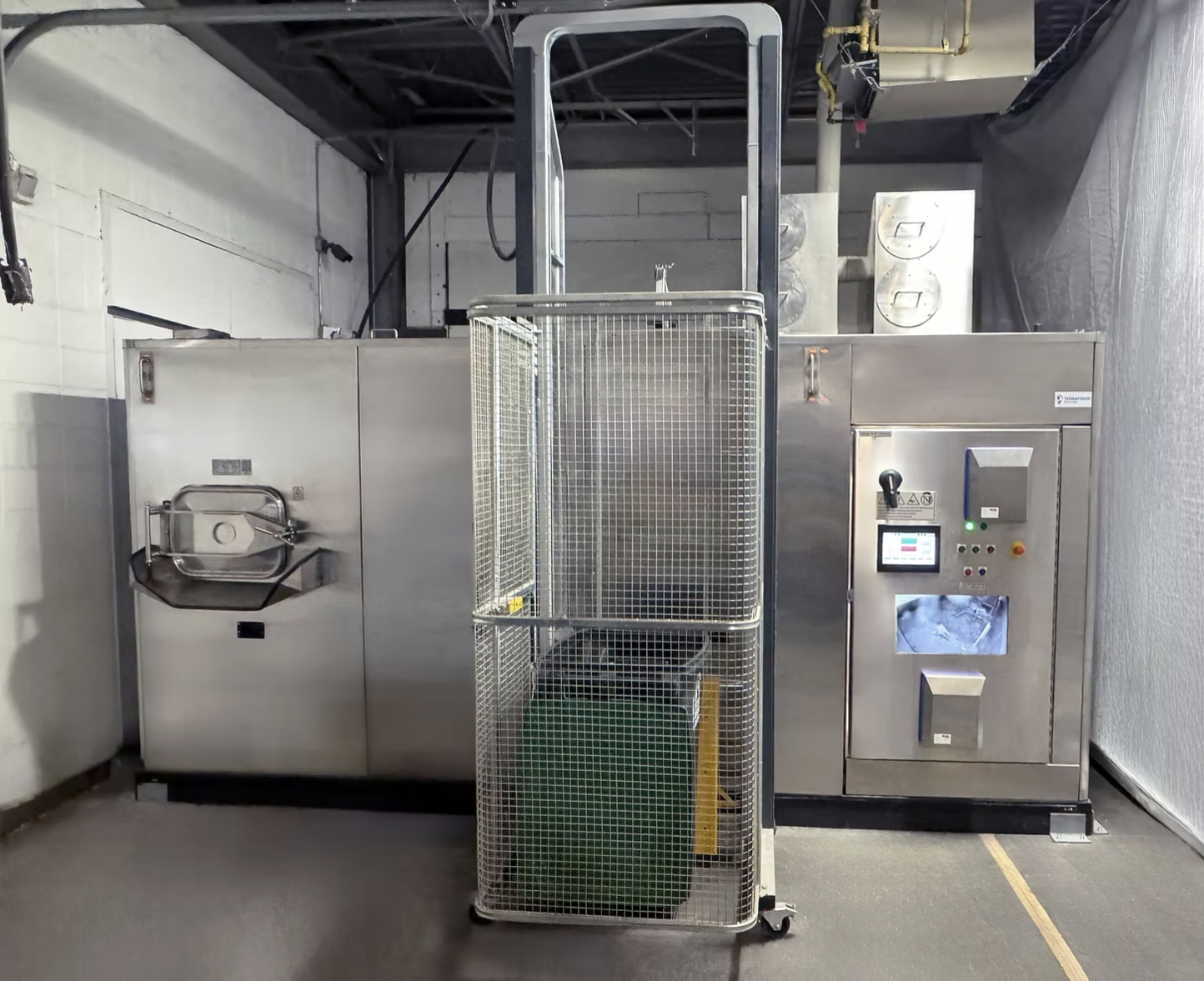
    The newly commissioned T-REX T1000 on-site composter represents a significant step forward in scale and performance. Designed to process up to 1,000 tonnes of organic waste annually, the T1000 doubles the capacity of previous installations and establishes a new benchmark for high-volume organics processing.

    In addition to increased capacity, the system incorporates a newly designed technology variation that significantly expands processing potential and enables the system to handle up to 2,500 tonnes annually. This represents a 500% increase over the original maximum processing capability of earlier T-REX machines.

    This advancement demonstrates how continued innovation and engineering refinement can unlock substantial performance gains while maintaining reliability, efficiency, and environmental integrity.

    Engineering for Performance and Reliability

    High-capacity composting requires more than scale alone. Systems must be engineered to manage moisture, oxygen levels, temperature, and material consistency across diverse organic waste streams. The T1000 has been designed with these operational realities in mind, ensuring stable performance even as throughput increases.

    Improved technology allows for more consistent biological activity, faster processing times, and reduced risk of anaerobic conditions. This results in better material breakdown, improved odor control, and a more predictable end product.

    By integrating these engineering improvements, the T1000 supports both operational efficiency and long-term system durability.

    A Fully Integrated Sustainability Hub

    The T-REX T1000 has been implemented at Recycling Alternative’s greenHUB, where it operates alongside a wide range of material recovery and recycling technologies. The greenHUB includes optical sorting systems for plastic waste, balers for plastics, packaging, and paper, a Styrofoam densifier, a paper shredder, and additional processing equipment.

    This integrated approach allows multiple waste streams to be managed within a single facility. Organic waste can be processed alongside recyclable materials, creating efficiencies in logistics, labor, and infrastructure while maximizing diversion from landfill.

    Centralized processing also allows for better data tracking and reporting, which is increasingly important for organizations measuring waste diversion, carbon reduction, and ESG performance.

    From Waste Reduction to Resource Creation

    Beyond reducing waste volume, the T1000 enables Recycling Alternative to convert organic material into a valuable soil amendment. This material supports soil health, water retention, and nutrient cycling, turning what was once considered waste into a useful resource.

    The potential to offer this soil amendment back to clients creates additional value within the waste management process. Clients benefit not only from reduced disposal volumes, but also from tangible sustainability outcomes that can be reintegrated into landscaping, restoration, or agricultural applications.

    This closed-loop approach strengthens the environmental impact of composting while reinforcing the economic and operational benefits.

    Expanding Access to Advanced Composting Solutions

    While on-site composting remains the ideal solution for many large generators of organic waste, not every organization has the space, volume, or capital required to install its own system. High-capacity facilities like the greenHUB help bridge this gap by extending the benefits of advanced composting technology to a wider range of users.

    By leveraging large-scale processing capabilities, smaller food producers, commercial kitchens, and mixed-use properties can participate in effective organic waste diversion without needing to operate their own equipment. This model supports broader adoption of composting practices while maintaining high processing standards.

    Improving Operational Conditions and Odor Management

    Effective organic waste management delivers benefits beyond sustainability metrics. Organic material can begin producing unpleasant odors within a short period of time, which can negatively impact hygiene, staff working conditions, and customer experience.

    By reducing storage time and processing organic waste efficiently, facilities can significantly improve cleanliness and odor control at the source. This leads to safer, more pleasant environments and supports better relationships with surrounding communities.

    Supporting ESG Goals and Regulatory Readiness

    As regulations around organic waste diversion continue to evolve, organizations are under increasing pressure to demonstrate responsible waste management practices. High-capacity on-site composting systems help future-proof operations by supporting compliance with landfill diversion mandates and sustainability reporting requirements.

    The ability to track processed volumes, diversion rates, and end-product outcomes provides valuable data for ESG reporting. This transparency helps organizations communicate progress to stakeholders while aligning operations with long-term environmental goals.

    A New Era for Commercial and Residential Composting

    The commissioning of the T-REX T1000 marks an important milestone for Recycling Alternative and the broader composting sector. Increased capacity, advanced technology, and integration within a comprehensive recycling ecosystem enable faster progress toward scalable and effective organic waste management.

    This development signals a shift toward smarter, higher-capacity composting solutions that support environmental responsibility, operational efficiency, and long-term sustainability across commercial and residential sectors.

  • Why Waste Systems Often Fail Quietly Over Time

    Why Waste Systems Often Fail Quietly Over Time

    Waste management rarely fails in dramatic ways. There is usually no moment when a system clearly breaks or stops functioning. Instead, most waste systems fail quietly. They continue operating while gradually becoming less efficient, more expensive, and more misaligned with sustainability goals.

    Because these failures are subtle, they often go unaddressed for years. By the time they are noticed, organizations are dealing with rising costs, frustrated staff, and performance gaps that are difficult to diagnose. Understanding how and why waste systems fail quietly is the first step toward preventing long-term operational and environmental setbacks.

    The Illusion of Stability

    Many facilities assume their waste systems are stable because day-to-day operations appear normal. Containers are emptied on schedule. Equipment is in place. Vendors are performing their contracted services.

    This appearance of stability can be misleading. A system can function mechanically while underperforming operationally. Waste may be hauled too frequently or not frequently enough. Containers may be consistently underfilled or routinely overloaded. Contamination may be normalized rather than corrected.

    When these patterns persist, inefficiency becomes invisible. Teams adjust their expectations instead of questioning the system itself.

    How Small Inefficiencies Become Structural Problems

    Quiet failures begin with small compromises. A hauling schedule is set based on outdated assumptions. A container is placed for convenience rather than accessibility. A temporary workaround becomes permanent.

    Individually, these decisions may seem harmless. Over time, they reshape the system. Excess hauling increases costs and emissions. Overflow leads to contamination and missed diversion targets. Staff lose confidence in waste infrastructure and disengage from sustainability efforts.

    Because the impact is distributed across operations, no single issue appears urgent enough to trigger change.

    The Role of Assumptions in Waste Systems Planning

    Waste systems are often designed using static assumptions. Planners estimate volumes, usage patterns, and behaviors based on a snapshot in time. Facilities, however, are dynamic.

    Occupancy changes. Tenants shift. Seasonal fluctuations affect waste generation. New programs are introduced without adjusting existing waste infrastructure. When assumptions are not revisited, systems slowly drift out of alignment with reality.

    The longer this gap persists, the harder it becomes to understand what is actually happening on the ground.

    Why Visibility Is the Missing Link

    One of the primary reasons waste systems fail quietly is lack of visibility. Without accurate insight into usage patterns, service needs, and performance trends, inefficiencies remain hidden.

    Many organizations begin with waste audits and vendor reports to establish a strong baseline and confirm compliance. These assessments provide valuable insight at specific moments in time. However, because they are periodic, they can be limited in showing day-to-day patterns or emerging trends. Without ongoing feedback, opportunities for improvement may take longer to identify.

    Greater visibility changes the nature of decision-making. When teams can track how systems are being used over time, they can respond sooner, reinforce positive behaviors, and address small issues before they grow into larger challenges.

    Organics as an Early Warning System

    Organic waste streams tend to surface system failures faster than other waste types. They are heavier, more time-sensitive, and more vulnerable to contamination. Odors, pests, and overflow are not just operational annoyances. They are indicators of misalignment between infrastructure and actual use.

    In many cases, facilities respond by increasing service frequency or adding capacity. While this may address symptoms, it rarely resolves root causes. Without understanding when and why containers are filling, adjustments remain reactive.

    Organics reveal the consequences of poor system design sooner, making them a valuable signal rather than a liability.

    The Human Impact of Quiet Failures

    When waste systems underperform, the burden often falls on staff. Custodial teams compensate for overflow. Sustainability managers spend time addressing complaints instead of improving programs. Frontline employees lose trust in systems that appear poorly maintained or illogical.

    Over time, this erodes engagement. When people feel that infrastructure does not support their efforts, participation declines. This is often misinterpreted as a behavior problem, when in reality it is a system problem.

    Well-designed waste systems reduce friction. They make the right behavior easier and more consistent.

    From Reactive Fixes to Preventive Design

    Preventing quiet failures requires a shift in mindset. Waste systems should be designed for adaptation, not permanence. This means building in mechanisms for monitoring, evaluation, and adjustment.

    Preventive design focuses on understanding actual use rather than ideal use. It prioritizes flexibility and feedback over static plans. When systems are observable and measurable, continuous improvement becomes possible.

    Instead of responding to issues after they surface, teams can identify emerging trends and adjust before problems escalate.

    Measuring What Matters

    Not all data is useful. The most effective waste systems focus on metrics that reflect real operational performance. This includes how often containers actually need service, how usage varies by location or time, and where capacity consistently misses demand.

    These insights support smarter decisions about infrastructure placement, service schedules, and investment priorities. They also provide credible evidence for sustainability reporting and internal accountability.

    Measurement turns waste management into a discipline rather than a background task.

    Designing for Reality

    The most resilient waste systems are not built around perfect behavior. They are designed for the realities of busy facilities, competing priorities, and changing conditions.

    Systems that acknowledge variability perform better over time because they adapt. They surface problems early, support staff rather than burden them, and align sustainability goals with operational needs.

    Quiet failures are not inevitable. They are the result of systems that lack visibility, feedback, and flexibility.

    A Different Way to Evaluate Success

    Instead of asking whether a waste system is functioning, organizations should ask whether it is learning. A system that reveals its weaknesses is more valuable than one that hides them.

    When waste management becomes a source of insight, organizations gain the ability to improve continuously. Costs stabilize. Performance becomes measurable. Sustainability goals become achievable rather than aspirational.

    The most effective waste systems do not fail loudly. They make failure visible early, when it is still easy to fix.

  • How Weather Conditions Impact Building Waste Systems

    How Weather Conditions Impact Building Waste Systems

    Most property teams understand how weather affects rooftops, HVAC systems, entrances, landscaping, and tenant comfort. Yet one area that consistently gets overlooked, even though it is essential to daily operations, is the waste system.

    Seasonal weather influences how waste moves through a property, how it behaves while stored, how staff interact with it, and how reliably the building can maintain service levels. Waste rooms, loading areas, and outdoor collection points all respond differently to cold, rain, heat, and humidity. Each type of weather creates its own risks and operational challenges.

    By understanding those challenges, property managers can stay proactive instead of reactive. This reduces avoidable expenses, safety issues, and workflow disruptions.

    Below is an expanded look at how each season affects building waste operations and what teams can do to stay ahead.

    1. Cold Weather Introduces Handling and Safety Obstacles

    Winter conditions change how materials behave and how staff must move them. While waste itself does not worsen, the surrounding environment becomes more difficult to manage.

    Cold temperatures often lead to:

    • difficulties moving carts over icy pathways
    • longer handling times as staff navigate snow or cold outdoor zones
    • increased slip hazards near exterior doors and loading docks
    • overall slower operations due to heavy clothing and harsh conditions

    Even indoor waste rooms can feel the effects of winter when drafts or cold air enter from exterior docks.

    Strategies for winter conditions:

    • clear and salt all outdoor pathways
    • inspect wheels, floors, and staging areas for winter hazards
    • place anti-slip mats near entries
    • adjust routing to limit staff time in exposed areas

    2. Rain Increases Moisture, Weight, and Workplace Hazards

    Rainy seasons create more moisture around waste systems and increase handling challenges for staff.

    Rain can cause:

    • heavier materials when moisture reaches outdoor staging areas
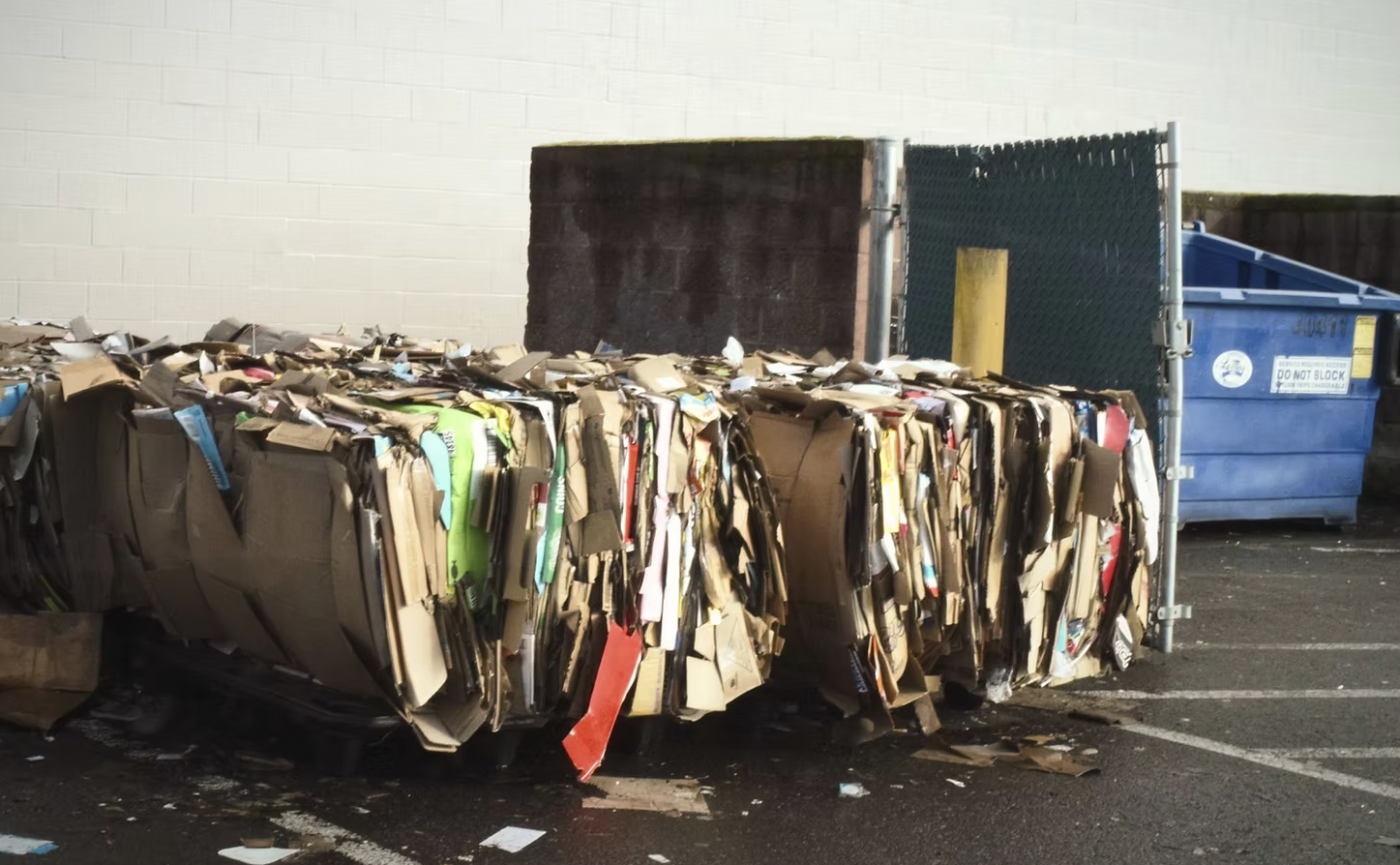
    • wet cardboard that breaks apart and becomes difficult to manage
    • slippery floors created by water tracked indoors
    • more frequent leaks during handling because wet materials weaken container strength

    Storms often create the biggest swings in short-term operational difficulty.

    Strategies for rainy periods:

    • use covered areas for materials awaiting pickup
    • keep drainage systems around loading docks clear
    • install water-collection mats or squeegees at key entry points
    • increase the frequency of daily walkthroughs during storm seasons

    3. Heat Makes Waste Rooms More Active and More Challenging

    As temperatures rise, waste rooms and loading docks shift into more demanding environments. Waste that sits too long behaves differently in warm months than during any other time of year.

    Hot weather contributes to:

    • more intense odors in rooms where waste is collected
    • increased pest activity at loading docks and entry points
    • faster deterioration of mixed materials when food residue is present
    • higher workloads for staff who handle waste during peak heat

    These challenges can affect not only waste rooms but also surrounding corridors, storage areas, and outdoor spaces if operations fall behind.

    Strategies for summer conditions:

    • increase the frequency of cleaning
    • improve airflow or ventilation in staging areas
    • reinforce proper separation of materials to reduce contamination
    • move waste earlier in the day to avoid peak temperatures

    4. Humidity Creates Persistent Moisture and Material Breakdown

    High humidity affects the indoor waste environment even without rain. Humid air keeps rooms damp for longer periods, influencing smell, safety, and the durability of stored materials.

    Humidity often contributes to:

    • odors that cling to walls, floors, and staging areas
    • soft or weakened cardboard that breaks apart
    • condensation buildup that increases slip risks
    • surface wear on carts or hardware when maintenance is infrequent

    Humidity is difficult to see, which makes it a commonly overlooked seasonal issue.

    Strategies for high humidity:

    • increase airflow or ventilation inside waste rooms
    • dry floors and surfaces more frequently
    • inspect carts and hardware regularly
    • protect cardboard and paper materials from humid conditions

    5. Seasonal Weather Fluctuations Change Collection Patterns

    Haulers also adjust their operations throughout the year. This affects collection times, delays, and waste volumes.

    Common seasonal changes include:

    • delays during storms, snow, or extreme heat
    • earlier pickup times during hot months
    • increased packaging during holiday seasons
    • higher overall waste volume during summer outdoor activity
    • more cardboard around retail and gifting periods

    These fluctuations can cause stress if a building is not prepared for temporary shifts in waste flow.

    Strategies for staying ahead:

    • communicate frequently with haulers
    • adjust compaction, baling, or staging schedules during peak seasons
    • develop overflow plans before high-volume periods begin
    • track seasonal waste levels for better forecasting

    6. Waste Systems‘ Staff Safety Is Directly Affected by Weather

    Weather shapes the daily working conditions for all staff involved in waste handling. Safety directly influences efficiency.

    Seasonal concerns include:

    • slippery floors in rainy or humid environments
    • discomfort when working in hot or poorly ventilated areas
    • cold exposure during outdoor transport in winter
    • reduced visibility during early dark winter hours or heavy storms

    Teams remain more productive and confident when safety is prioritized.

    Strategies for seasonal safety:

    • use proper footwear and gloves
    • increase ventilation and airflow during hot seasons
    • maintain clear outdoor routes during winter
    • provide regular safety training for seasonal hazards

    7. Buildings That Plan for Weather Perform Better All Year

    The most reliable waste systems are not the ones that respond quickly. They are the ones that prepare early.

    Effective year-round planning includes:

    • deep cleaning before heat waves
    • winter checks for wheels, lids, floors, and outdoor paths
    • leak-prevention steps before rainy months
    • staff refresher training ahead of seasonal waste surges
    • updated signage when waste volumes increase or change

    Preparation improves cleanliness, safety, and operational stability throughout the year.

    Weather Impacts Waste Systems More Than Most Buildings Expect

    Weather cannot be controlled. However, the disruptions it causes to waste operations can be minimized when buildings understand how temperature, moisture, and seasonal patterns affect their material flow.

    Terraforma Systems provides equipment and tools that support strong seasonal planning and help buildings maintain efficient, reliable waste rooms in any environment.

  • Sustainability Is No Longer Optional in Waste Management

    Sustainability Is No Longer Optional in Waste Management

    For years, sustainability in waste management was treated as an afterthought, a checkbox at the end of operations or a side project for organizations with extra budget or time.

    But today, sustainability is not a bonus. It’s the new standard.

    Rising environmental pressures, regulatory requirements, and public expectations have transformed how organizations handle their waste. Whether you’re managing a stadium, a resort, a corporate campus, or a municipality, sustainable waste management is no longer just a responsible choice. It’s a practical necessity.

    At Terraforma Systemssustainability isn’t an accessory. It’s engineered into every product we create. Our T-REX composters process organic waste directly on site, reducing hauling needs and emissions. Our TFS IQ platform provides data visibility and control, helping facilities track, optimize, and report on their waste streams in real time.

    This article explores why sustainability is now essential and how Terraforma Systems helps clients meet that challenge.

    Why Sustainability Matters More Than Ever

    The shift toward sustainable waste management isn’t driven by trends. It’s a response to urgent global realities.

    Environmental Pressures Are Increasing

    Organic waste is one of the largest contributors to methane emissions when sent to landfill. Rising climate risks demand systems that not only manage waste efficiently but also minimize its environmental impact. On-site composting provides a tangible, measurable way to reduce emissions and create value from waste.

    Resources Are Limited

    Hauling waste long distances is costly in fuel, time, and emissions. Traditional disposal methods depend on fragile external infrastructure and rising landfill fees. By processing waste where it’s generated, organizations reduce operating costs and reliance on outside systems.

    People Are Paying Attention

    Customers, employees, and regulators are asking for transparency. They want to know where waste goes, how it’s managed, and what’s being done to minimize impact. Sustainable practices are becoming a key part of brand reputation and public trust.

    Policy and Regulation Are Catching Up

    Municipalities and governing bodies are introducing stricter rules on organics diversion, landfill bans, and emissions tracking. Sustainable waste management isn’t just encouraged; it’s becoming a requirement.

    The Problem with Traditional Waste Management

    Most conventional systems are reactive, fragmented, and dependent on hauling. They create high costs, inconsistent data, and large carbon footprints.

    Common challenges include:

    • Frequent hauling and transportation emissions
    • Limited or inaccurate waste data
    • Contamination and poor sorting practices
    • High disposal costs over time
    • Missed opportunities for resource recovery

    These issues add up financially, operationally, and environmentally.

    The Terraforma Approach

    Terraforma Systems was created to transform how organizations handle organic waste. Our solutions make sustainability measurable, achievable, and built into everyday operations.

    Here’s how we make waste management more efficient and responsible.

    On-Site Composting Reduces Waste and Emissions

    Our T-REX composters process food scraps and organics directly at the source, reducing waste volume by up to 80% in 24 hours. This significantly minimizes hauling frequency and landfill disposal, leading to:

    Real-Time Data and Insights with TFS IQ

    Our TFS IQ platform gives teams a clear view of their waste performance. It tracks volumes, usage, and trends, providing the data needed to meet compliance requirements and sustainability goals.

    With TFS IQ, organizations can:

    • Monitor and manage waste data in real time
    • Track performance across multiple locations
    • Identify opportunities for improvement
    • Demonstrate measurable progress toward Zero Waste and ESG goals

    Built for Reliability and Simplicity

    Each T-REX is designed for durability and ease of use, with features such as:

    • Automated processing and odor control
    • Built-in screen and sensor monitoring
    • Simple maintenance and remote diagnostics
    • Durable materials for long-term performance

    The result is a cleaner, quieter, and more efficient operation no matter the environment.

    Who’s Leading the Change

    Organizations across sectors are adopting on-site composting as part of their sustainability strategy.

    Convention Centres and Venues

    Large facilities producing high volumes of food waste are reducing hauling costs and improving diversion rates through on-site composting.

    Resorts and Hospitality

    Properties are turning food waste into compost for landscaping and gardens, creating closed-loop systems that guests can see and appreciate.

    Municipal and Corporate Campuses

    Organizations managing multiple sites use TFS IQ to monitor performance and standardize waste management across operations.

    Educational and Government Institutions

    Schools and public agencies use on-site composting to meet sustainability mandates and educate communities on waste reduction.

    The Benefits of On-Site Waste Management

    Switching to on-site composting and data-driven systems is not only good for the environment but also good for business.

    Benefits include:

    • Reduced hauling and disposal costs
    • Lower carbon footprint
    • Improved regulatory compliance
    • Clear performance data for ESG and reporting
    • Cleaner, more efficient operations
    • Measurable progress toward sustainability targets

    Most importantly, these systems build resilience, allowing organizations to take control of their waste, their costs, and their environmental impact.

    Built for a Changing World

    Sustainability is not a luxury anymore. It’s the baseline.

    At Terraforma Systems, we help organizations move beyond waste, turning a daily challenge into an opportunity for measurable impact. Our composting systems and data tools are designed for a world that demands smarter, cleaner, and more accountable waste management.

    Whether your goal is to reduce hauling, meet diversion targets, or demonstrate environmental leadership, we can help you get there.

    Explore More

    Visit our resources page to learn more about:

    Or contact our team to discuss your site, your goals, and how we can help you manage waste responsibly.

    Sustainability is not a feature. It’s the foundation of how we build a cleaner future.

  • Biodiversity’s Role in Sustainable Waste Management

    Biodiversity’s Role in Sustainable Waste Management

    When people discuss sustainability, the conversation often focuses on carbon footprints, renewable energy, or recycling programs. One key part of the equation is often overlooked is biodiversity. From invisible microbes to essential insects and plants, biodiversity plays a powerful and often underappreciated role in how we manage waste in sustainable ways.

    What Is Biodiversity and Why Does It Matter?

    Biodiversity is the variety of life found in ecosystems. This includes everything from bacteria and fungi to plants, insects, and animals. In the context of waste management, biodiversity doesn’t just support nature in general. It directly helps break down, recycle, and renew organic materials.

    Nature already processes waste with impressive efficiency. When organic waste is handled properly, it becomes a valuable resource rather than something to throw away. That transformation happens because of the many living organisms working together in the system.

    Microbial Diversity Drives Decomposition

    A single handful of healthy compost contains billions of microorganisms. These include bacteria, fungi, and protozoa. Each one has a specific job in breaking down organic matter and turning it into stable, nutrient-rich compost.

    The more diverse these microbes are, the better they are at breaking things down. A rich microbial community adapts more easily to changes, produces fewer odors, and results in higher-quality compost. These tiny organisms may be invisible, but they are essential to the entire process.

    Insects and Decomposers Do the Heavy Lifting

    Larger soil organisms like insects and earthworms also play a key role. Earthworms help mix and aerate compost, which allows oxygen to flow and supports microbial activity. Insects like beetles and ants break down materials into smaller pieces in nature, making it easier for microbes to continue the process.

    These creatures do best in healthy, chemical-free environments. When biodiversity is protected, these decomposers thrive and help turn organic waste into something useful and sustainable.

    Plant Diversity Supports Healthy Waste Cycles

    Biodiversity above ground is just as important. Different types of plants have varied root systems that improve soil structure, help absorb nutrients, and create space for helpful organisms to live.

    When compost is used in areas with a wide mix of plants, the impact is even greater. Soil holds water better, nutrients cycle more efficiently, and the whole ecosystem becomes healthier. Compost supports biodiversity, and in return, biodiversity strengthens the effectiveness of compost.

    Threats to Biodiversity in Waste Systems

    Many modern farming and industrial practices unintentionally damage biodiversity. Using synthetic fertilizers and pesticides can sterilize the soil and kill helpful organisms. Monoculture farms, which grow just one type of crop, often create waste that lacks the variety of nutrients needed for rich compost.

    What Can Businesses and Communities Do?

    The good news is that protecting biodiversity in waste systems doesn’t require massive changes. Small, thoughtful choices can make a big difference. Here are some simple actions to consider:

    • Limit chemical use. Avoid pesticides and synthetic fertilizers that harm the organisms in soil.
    • Plant native species. Native plants help maintain ecological balance and support pollinators and decomposers.
    • Support regenerative practices. Choose to work with suppliers and farmers who value soil health and biodiversity.
    • Educate others. Help teams and communities understand how biodiversity improves waste management.

    How to Monitor Biodiversity in Waste Systems

    Monitoring biodiversity doesn’t have to be complicated. Here are some simple ways to observe the health of your composting or organic waste system:

    • Look for visible life. Earthworms, beetles, ants, and other small insects are clear signs that your system supports decomposers. Fungal threads or mold-like patches can also indicate healthy biological activity.
    • Pay attention to compost quality. Healthy compost is dark, crumbly, and smells earthy, not sour nor rotten. This suggests microbes and decomposers are doing their jobs well.
    • Notice how quickly waste breaks down. When organic matter decomposes at a steady pace without clumps of unfinished material, it often means the system has a balanced and active community of organisms.
    • Use a simple observation checklist. Recording what you see over time—types of insects, presence of worms, texture of compost—can help you notice patterns and spot issues early.

    These basic checks can be done without special equipment and provide a reliable snapshot of your system’s biological health.

    Conclusion

    Biodiversity is more than just an environmental concept. It is a living system that powers sustainability from the ground up. When we align waste management with nature, our systems become more efficient, more resilient, and more capable of renewal.

    Protecting biodiversity is not only good for the environment. It is also a smart, practical approach to managing organic waste. By working with nature, we can turn waste into a resource and create systems that support life in all its forms.

  • Managing Risks and Maximizing Potential of Waste on Industrial Lands

    Managing Risks and Maximizing Potential of Waste on Industrial Lands

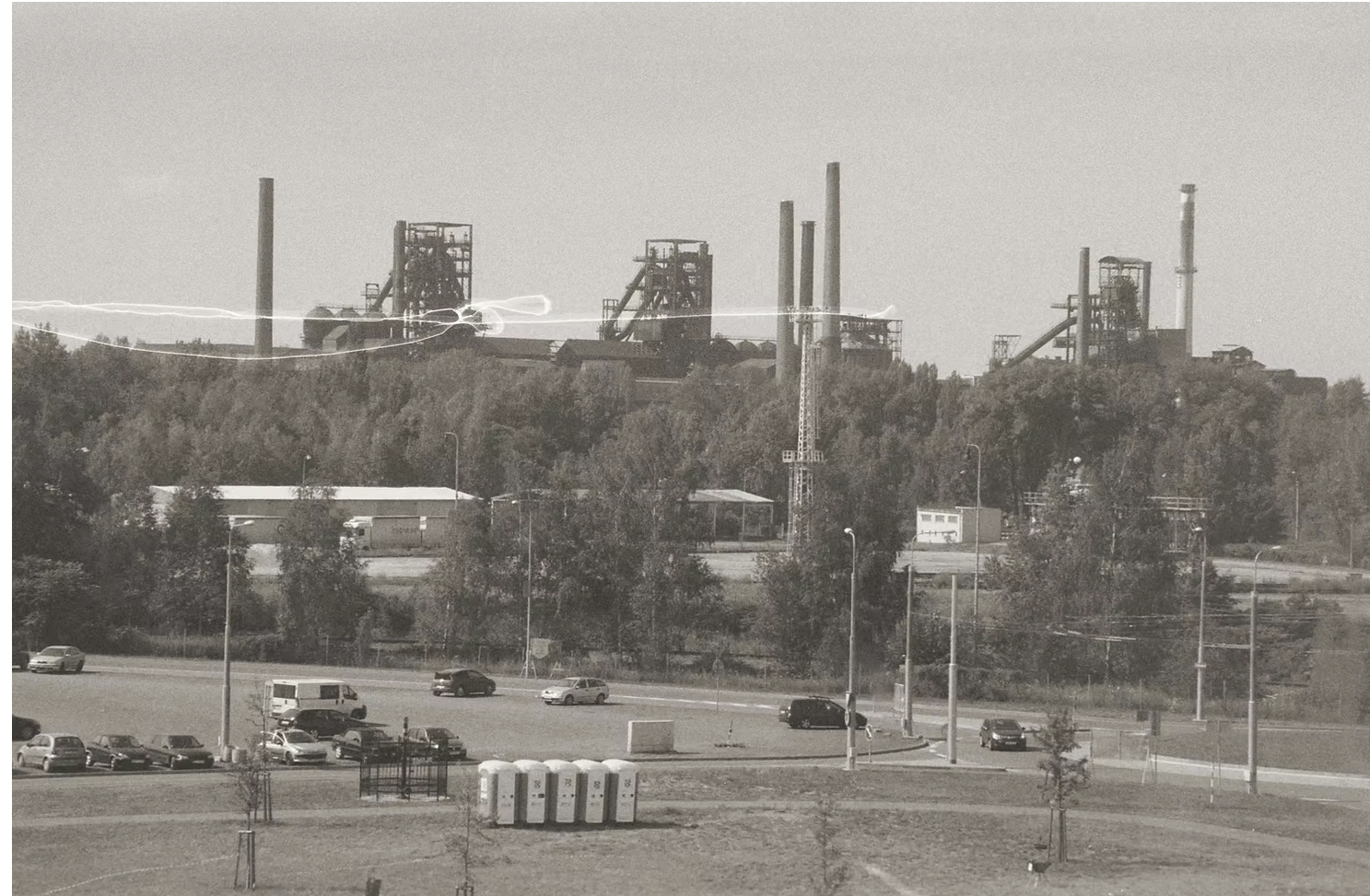
    Industrial lands are the engines of manufacturing, logistics, and heavy commercial activity. They are also significant producers and storers of waste. From packaging and production residues to hazardous chemicals and construction debris, the volume and diversity of waste on these sites pose both operational and environmental challenges.

    Historically, industrial areas have often been chosen for waste handling facilities, including landfills, transfer stations, and recycling depots, because they are zoned for heavy use and located away from residential neighborhoods. While this can make logistical sense, it also creates long-term environmental and land use considerations that require careful planning.

    Types of Waste Found on Industrial Lands

    Industrial zones generate multiple waste streams, often at high volumes. Common types include:

    Organic wasteFood scraps from cafeterias, landscaping debris, and byproducts from food processing or agricultural processing facilities.

    RecyclablesCardboard, plastics, metals, and paper from packaging, shipping, and manufacturing processes.

    Residual non-recyclables – Materials contaminated with oils, adhesives, or other substances that prevent recovery.

    Hazardous and toxic waste – Chemicals, solvents, heavy metals, and other regulated substances that require specialized handling and disposal.

    Construction and demolition waste – Concrete, asphalt, treated wood, insulation, and other debris from facility expansion or tenant turnover.

    Challenges of Waste Management on Industrial Lands

    Managing waste in industrial areas is not simply about collecting and hauling it away. Several factors make the process more complex:

    • High volume and density. Multiple operators in close proximity can produce more waste than the available infrastructure can efficiently handle.
    • Environmental risk. Improperly stored or handled waste can contaminate soil, air, and groundwater.
    • Regulatory compliance. Businesses must adhere to local, provincial, and federal waste management laws, with strict penalties for violations.
    • Land use impact. Sites used for long-term waste disposal can face restrictions and costly remediation before redevelopment.

    Environmental and Economic Impacts

    Poor waste management on industrial lands can have ripple effects that last for decades. These include:

    • Soil and groundwater contamination
    • Greenhouse gas emissions from decomposing organic waste
    • Reduced land value due to contamination or remediation requirements
    • Increased costs for cleanup and compliance
    • Negative community and stakeholder perceptions

    Conversely, effective waste management can reduce operating costs, improve environmental performance, and preserve land value for future uses.

    Redevelopment of Waste-Impacted Industrial Lands

    When portions of industrial sites have been used for landfill or waste storage, redevelopment becomes a more complex but not impossible process. Common reuse options include:

    • Light industrial facilities with shallow foundations over capped landfills
    • Renewable energy installations such as solar arrays or landfill gas-to-energy projects
    • Green infrastructure including stormwater management areas or buffer zones

    The key to safe redevelopment is thorough environmental assessment, regulatory clearance, and long-term monitoring.

    Solutions for Better Waste Management in Industrial Areas

    Forward-thinking industrial operators are adopting integrated waste management systems to minimize landfill use and environmental risk. Strategies include:

    • On-site composting for organic waste to reduce hauling costs and methane emissions
    • Centralized waste facilities for multi-tenant industrial parks to improve efficiency and compliance
    • Waste tracking and analytics to identify diversion opportunities and streamline processes
    • Employee training and clear signage to improve source separation and recycling rates

    The Role of Terraforma Systems

    Terraforma Systems offers tools that help industrial operations turn waste management from a liability into a strategic advantage. The T-REX Composter processes organics directly on site, eliminating the need for landfill disposal and reducing emissions. TFS IQ provides real-time waste data, enabling operators to track performance, meet compliance requirements, and identify cost saving opportunities.

    Moving Toward Sustainable Industrial Land Use

    Waste on industrial lands is an unavoidable reality. The way it is managed determines whether it becomes a costly burden or a driver for efficiency and sustainability. By combining innovative technology, regulatory compliance, and proactive waste reduction, industrial areas can maintain their economic productivity while protecting environmental and community health.

    With the right systems in place, today’s industrial lands can continue to support industry while safeguarding their long-term value. In some cases, waste-impacted sites can even be transformed into productive assets once again.