
Tag: waste management

  • A Sustainable Solution for Organic Waste Management in Hospitals

    A Sustainable Solution for Organic Waste Management in Hospitals

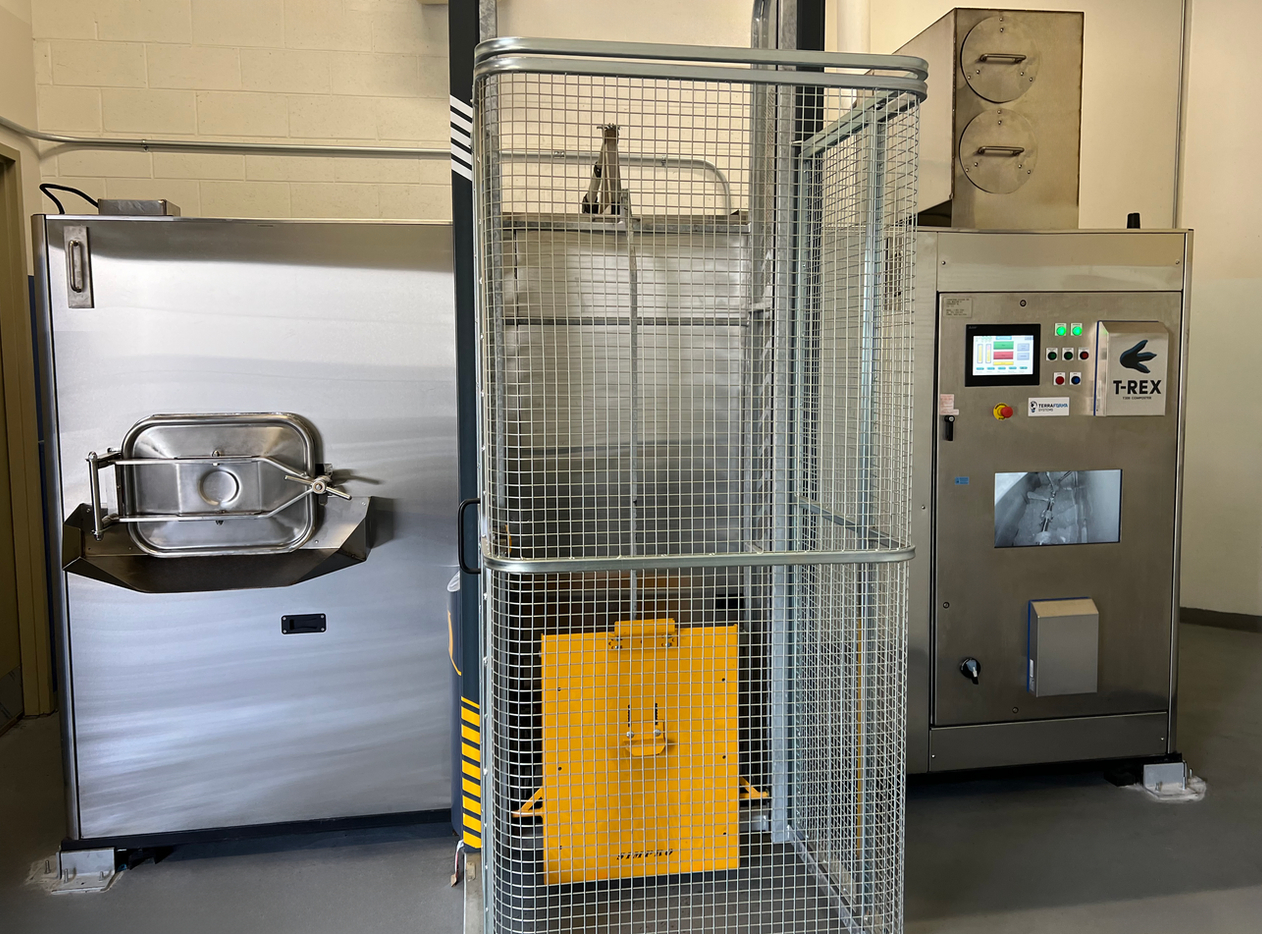
    Hospitals are crucial for saving lives, but like many large institutions, they also produce a significant amount of waste. Food waste is one of the biggest contributors. From patient meals to staff cafeteria leftovers, food waste can quickly add up. As sustainability takes center stage, more hospitals are turning to on-site food composting to manage this waste effectively. Systems like the T-REX composter are helping healthcare facilities transform food scraps into valuable compost right on the premises. Let’s dive into why this method is gaining traction and how it benefits hospitals.

    The Food Waste Management Problem in Hospitals

    It’s easy to overlook, but hospitals can produce a lot of food waste. In fact, food waste often makes up around 25% of a hospital’s total waste. Traditionally, this waste ends up in landfills or is incinerated, both of which have a significant environmental impact. Food waste in landfills decomposes slowly, releasing methane, which is a potent greenhouse gas that accelerates climate change.

    On top of the environmental effects, managing waste isn’t cheap. Hospitals have to pay hefty fees for landfills and hauling services, eating into their budgets. With sustainability becoming a key priority, many hospitals are seeking solutions that are both cost-effective and eco-friendly.

    Why On-Site Composting Is a Smart Choice

    On-site composting is an increasingly popular solution for hospitals. Instead of sending food scraps to a landfill, hospitals can compost them right at their facility, reducing waste and creating a valuable resource in the process. Here are some reasons why it’s such a good fit for hospitals:

    1. Lower Waste Disposal Costs: Hospital waste removal services can get pricey, especially with food waste making up a significant portion. By composting on-site, hospitals save money on tipping fees and hauling charges. The T-REX composter is efficient, compact, and designed to handle the job quickly – even in facilities with limited space.
    2. Waste Reduction: Food waste often takes up a huge portion of a hospital’s total waste. By turning food scraps into compost, hospitals can cut down on the amount of waste they send to landfills, decreasing their carbon footprint.
    3. Turning Waste into a Resource: The compost created can be used for hospital gardens, landscaping, or even donated to local farms. This not only helps the environment but can also contribute to a more sustainable food system, especially in hospitals that grow their own food or support local agriculture.
    4. Advancing Green Credentials: Sustainability is now a priority more than ever before. By adopting composting, hospitals can improve their environmental impact and show their commitment to sustainability. This can also help them earn certifications like LEED (Leadership in Energy and Environmental Design), which further enhances their reputation.

    How the T-REX Composter Works

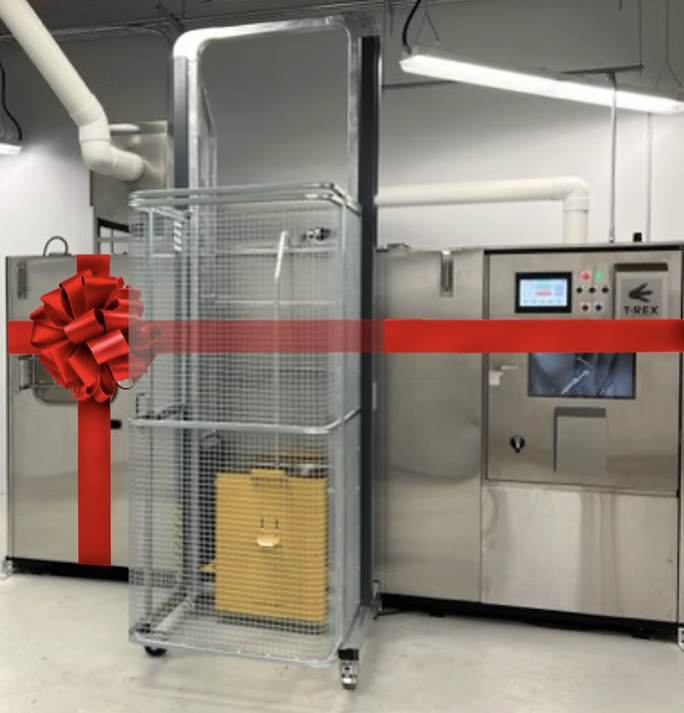
    The T-REX composter is designed to make composting simple and efficient. It uses aerobic decomposition, a process in which microbes break down organic waste in the presence of oxygen. The system features a rotating drum to mix food scraps, air vents for proper aeration, and heating elements that maintain an ideal temperature for composting.

    What makes the T-REX system ideal for hospitals is its compact design, meaning it can fit into smaller spaces while still handling large volumes of food waste. It can process everything from fruit and vegetable scraps to dairy and meat, making it versatile enough for any hospital kitchen.

    Success Stories: Hospitals Leading the Way

    Hospitals in both Canada and the U.S. are already seeing the benefits of on-site composting. For example:

    Canada: The Canadian Coalition for Green Healthcare (CCGHC)

    In Canada, hospitals are successfully reducing their food waste footprint. One hospital, supported by the Canadian Coalition for Green Healthcare, managed to reduce its total waste volume by 25%. Through on-site composting, they saved money on waste disposal while creating valuable compost that was used for landscaping and even donated to local farms. This case highlights how Canadian hospitals can reduce waste while supporting sustainability in their communities. Hospitals looking to adopt similar practices could find both financial and environmental rewards, as seen in this success story.

    United States: California Hospital Food Waste Recovery

    In the U.S., a California hospital was able to save thousands of dollars in waste disposal costs after implementing an on-site composting system. This hospital not only cut costs but also improved its garden areas using the compost produced. Some of the compost was even donated to local farms, contributing to the region’s agricultural sustainability. This example shows how U.S. hospitals can make an impact by reducing their waste while supporting local food systems.

    Overcoming Common Challenges

    Like any new system, on-site composting comes with its challenges. But with a little planning and the right equipment, hospitals can make the transition smoothly. Here are some common hurdles and how to overcome them:

    • Space Constraints: Hospitals in urban areas or those with limited space may worry about fitting a composting system into their facilities. Thankfully, the T-REX composter is designed to be compact, making it easy to fit into smaller spaces while still being able to handle a significant amount of food waste.
    • Staff Training: Properly sorting food waste is essential for a successful composting program. Hospitals will need to train staff on how to separate compostable food scraps from non-compostable items. Clear signage and periodic training can help keep things running smoothly.
    • Initial Investment: While composting can save money in the long run, there is an upfront cost to set up the system. However, these costs are typically offset by the savings on waste disposal fees, making it a worthwhile investment for most hospitals.

    Wrapping It Up

    On-site food composting is a practical, affordable, and sustainable solution for hospitals looking to manage their food waste more effectively. With systems like the T-REX composter, hospitals can turn food scraps into valuable compost, reducing waste, saving money, and contributing to a more sustainable future. Whether it’s through cutting down on disposal costs, lowering their carbon footprint, or supporting local agriculture, hospitals are finding that on-site composting offers a range of benefits that extend well beyond the kitchen.

    Hospitals in Canada and the U.S. have already seen the positive impact of on-site composting, and the numbers are telling. With composting solutions like T-REX, hospitals can reduce waste, cut costs, and improve their sustainability practices. It’s clear that on-site composting isn’t just a passing trend – it’s a smart, long-term investment that will help hospitals operate more efficiently and contribute to a greener future.
  • A Smarter, Safer Way to Clean Totes

    A Smarter, Safer Way to Clean Totes

    Managing waste is already tough enough for commercial facilities, but keeping the bins themselves clean is a job that often gets overlooked until it turns into a real problem. Whether you’re dealing with food scraps, organics, or general waste, dirty totes quickly become a source of bacteria, bad odors, and safety risks for your team.

    VelociWash is a new tote cleaning system designed to tackle this issue right at the source. Instead of manual scrubbing or costly off-site services, a tote washer lets you sanitize totes on-site, faster and more thoroughly than traditional cleaning methods. It also protects your staff from unnecessary strain and exposure.

    Why Clean Totes Regularly

    In places like restaurants, hotels, and multi-resident buildings, waste bins get messy fast. They collect everything from rotting food and grease to spilled liquids and bacteria. When totes aren’t cleaned regularly and properly, they become breeding grounds for harmful pathogens like Salmonella and E. coli.

    This isn’t just a cleanliness issue. It’s a health and safety risk for anyone who handles those totes. On top of that, dirty bins attract pests, create odor complaints, and leave a bad impression on staff, guests, and customers.

    Traditional cleaning methods don’t always cut it. A quick rinse with a hose leaves behind residue and bacteria, and sending totes off-site for cleaning adds unnecessary costs, delays, and logistics headaches. A tote washer gives you a better way with thorough cleaning right where you need it, whenever you need it.

    How VelociWash Works

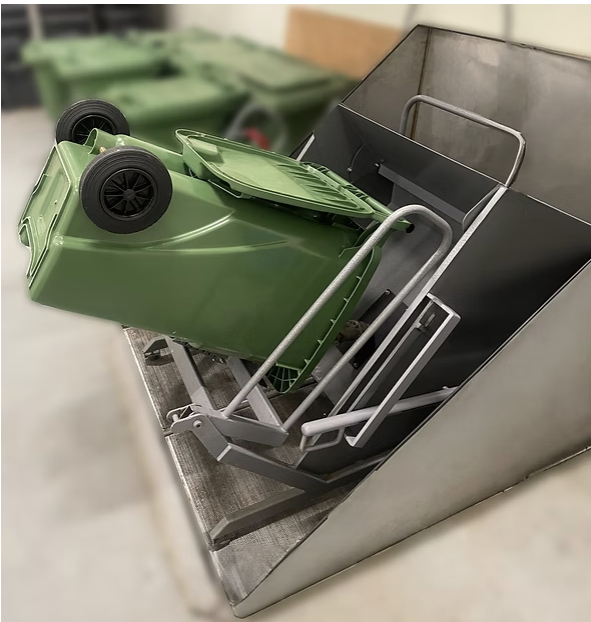
    VelociWash uses high-pressure cleaning power combined with a smart, ergonomic design to make tote washing fast, thorough, and easy for staff. Its heavy-duty pressure washer blasts away stuck-on grime, grease, and residue from both the inside and outside of the tote.

    Instead of staff having to awkwardly angle bins or scrub them out by hand, VelociWash’s built-in tote tipper automatically positions each bin for a complete clean. This reduces strain on staff and helps prevent back injuries and repetitive stress, two common issues in waste handling jobs.

    A berm water barrier and waste catcher keep dirty water and debris contained, keeping your floors clean and preventing contaminated runoff from spreading around your facility. The result is faster, more hygienic cleaning that’s easier on your team.

    Keeping Your Team Safer and Healthier

    For a lot of facilities, bin cleaning is a dreaded task left to whoever gets stuck with it. Employees end up dragging totes outside, hosing them down, and hoping for the best. All the while, they are exposed to dirty water, unpleasant odors, and contaminated surfaces.

    VelociWash changes that. By automating the process, it reduces direct contact with waste and eliminates heavy lifting. Employees stay cleaner, safer, and healthier. The cleaning process becomes something anyone can handle with minimal training.

    Saving Money and Simplifying Operations

    Beyond the hygiene and safety benefits, a tote washer also helps cut costs. Off-site cleaning services can be expensive, especially when you add up transportation fees, service charges, and the cost of downtime when you’re left without the totes.

    With VelociWash, you are in control of your cleaning schedule. Totes can be washed as often as needed, helping to control odors and prevent buildup without interrupting your regular waste routines. Plus, cleaner bins last longer, saving you money on replacements caused by corrosion or built-up grime.

    With stainless steel construction and compatibility with totes up to 96 gallons, VelociWash is built to handle the day-to-day demands of commercial waste management. It’s a practical investment that pays off with cleaner totes, safer staff, and reduced long-term costs.

    Take Control of Bin Cleaning with VelociWash

    A tote washer gives your facility an easier, smarter way to keep waste bins clean. Instead of treating dirty totes as an unavoidable hassle, you can make cleaning a simple, efficient process that protects your team and keeps your operation running smoothly.

    If you are ready to make waste bin cleaning easier, safer, and more reliable, VelociWash is ready to get to work.

  • How Bin Lifters Can Protect Your Workers and Improve Efficiency in Waste Collection

    How Bin Lifters Can Protect Your Workers and Improve Efficiency in Waste Collection

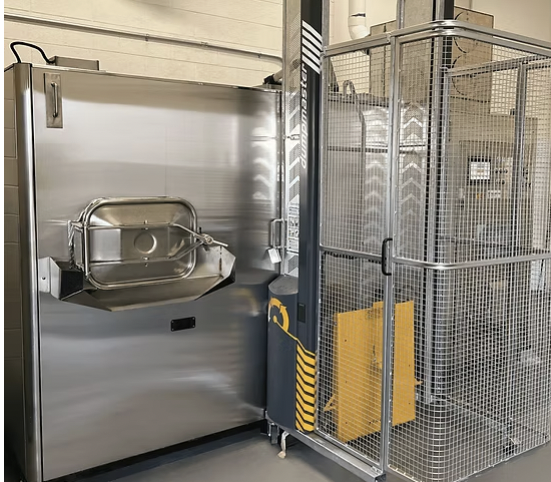
    Waste collection is hard work. It’s physically demanding and requires workers to repeatedly lift heavy bins, often in difficult conditions. As a result, injuries related to lifting and repetitive movements are a serious concern for many waste management companies. At Terraforma Systems, we believe worker safety should always come first, which is why we offer Simpro bin lifters – a solution that helps reduce physical strain, boost efficiency, and improve safety for your team.

    In this blog, we’ll talk about why bin lifters are so important and how they can make a difference for your waste collection operation.

    Why Worker Safety Should Be a Top Priority

    Anyone who’s worked in waste collection knows it’s tough. Constant bending, lifting, and carrying heavy loads can take a toll on the body. The risk of back injuries, muscle strains, and other musculoskeletal disorders is high, especially with the repetitive nature of the job. These types of injuries are not only painful for the workers but can also be costly for businesses in terms of medical bills, insurance, and lost productivity.

    Investing in equipment that helps minimize physical strain is an essential step toward preventing injuries and promoting a safer workplace.

    How Bin Lifters Make a Difference

    Simprobin lifters are designed to do the heavy lifting for your waste collection team. These machines make it easier to lift and empty bins, reducing the need for manual labor. Here’s how they can benefit your business:

    Reduced Risk of Injury

    Lifting heavy bins is hard on the body, especially when workers have to do it repeatedly. By using a bin lifter, you eliminate the need for manual lifting. This means less strain on workers’ backs, shoulders, and joints, which helps reduce the risk of injuries and long-term health issues.

    More Efficient Operations

    Time is money, and the more efficiently you can collect waste, the better. Bin lifters make the process faster by automating the lifting and emptying of bins. With these machines, workers can complete routes more quickly, reducing downtime and increasing productivity. This leads to smoother operations and quicker turnarounds.

    Improved Worker Morale

    When employees know their safety is a priority, it can have a positive impact on their job satisfaction. Bin lifters take away some of the physical toll that waste collection places on workers, which can reduce fatigue and stress. Happier, healthier employees are more likely to stay with the company, leading to lower turnover and better overall performance.

    Compliance with Safety Regulations

    Safety regulations around manual handling are strict, and for good reason. By using bin lifters, you can ensure your waste collection operations comply with the necessary safety standards. These machines help you avoid costly fines or penalties, while also protecting your workforce from potential harm.

    Why Choose Simpro Bin Lifters?

    At Terraforma Systems, we partner with Simpro because their bin lifters are built to last and designed for maximum efficiency. Here’s what sets them apart:

    Durability

    Simpro bin lifters are designed to handle tough, daily use, in any weather condition, and can withstand the challenges of the waste collection industry.

    Seamless Integration

    These lifters work with most existing waste collection vehicles, meaning they can be easily integrated into your current fleet without major disruptions.

    Custom Options

    Whether you need a solution for residential bins or large industrial containers, there is a range of lifters that can be tailored to fit your needs.

    Easy Operation

    Simprobin lifters come with user-friendly controls, making them easy for your team to operate with minimal training.

    By using Simprobin lifters, you’re not only protecting your workers but also improving the overall efficiency of your waste collection process.

    Safer, Smarter, and More Efficient Waste Collection

    At Terraforma Systems, we know that investing in your workforce and the right equipment pays off. Simprobin lifters help reduce injuries, boost productivity, and improve the overall safety of your waste collection operation. These machines make a real difference for both your workers and your bottom line, with innovative new features on the horizon.

    If you’re ready to improve safety and efficiency in your waste collection operations, reach out to us today. We’d be happy to help you find the perfect bin lifter solution for your needs.

    For more information, contact us.

  • Hosted Sorting Stations— A Key to Sustainable Waste Management

    Hosted Sorting Stations— A Key to Sustainable Waste Management

    Hosted sorting stations are emerging as an integral solution to improving waste management in high-traffic areas like food courts, and malls. These systems combine human oversight with innovative waste diversion techniques to minimize landfill contributions, reduce contamination in recycling, and align with environmental regulations.

    What Are Hosted Sorting Stations?

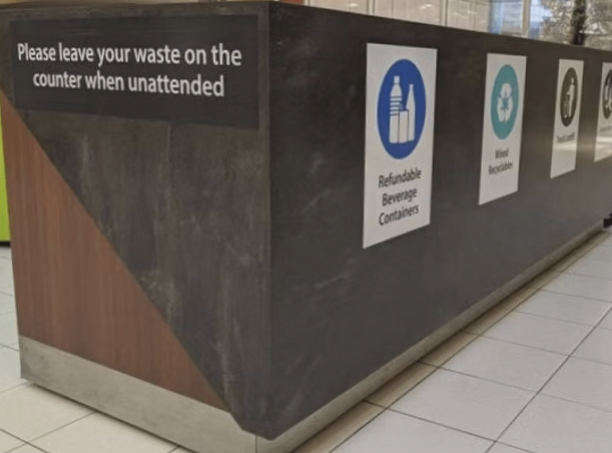
    Hosted sorting stations are designated areas where one can dispose of waste under guidance. Unlike traditional waste bins, these stations often include multiple clearly marked receptacles for organics, recyclables, and landfill waste. Staff members stationed there help ensure waste is sorted correctly, preventing common mistakes that contaminate recycling streams. Some systems are enhanced with signage or digital displays to educate users on proper disposal practices.

    Environmental and Operational Benefits

    Waste Diversion

    Hosted sorting stations significantly improve waste diversion rates by ensuring organics and recyclables are properly separated from non-recyclable waste. This not only reduces landfill waste but also supports broader on-site composting and recycling goals.

    Sustainability Goals

    With initiatives like Canada’s Zero Plastic Waste mandate by 2030 and regional organic waste bans, these stations help public spaces comply with environmental regulations. Facilities that implement these systems report reduced environmental footprints and improved waste management efficiency.

    Material Reuse

    Hosted sorting stations are often built with recycled or sustainable materials, such as high-density polyethylene (HDPE) plastics. This approach aligns the construction of sorting stations with their purpose—reducing waste throughout the entire lifecycle.

    Educational Opportunities

    Sorting stations serve a dual purpose as both waste management tools and educational platforms. By providing clear instructions and real-time assistance, these stations foster public awareness about sustainable practices. The presence of trained personnel can also encourage behavioral changes, transforming how people view waste disposal in public settings.

    Challenges and Opportunities

    Challenges

    Engagement

    Encouraging users to actively participate in waste sorting can be difficult, especially in fast-paced environments like food halls.

    Costs

    Staffing and maintaining these systems involve operational expenses that some facilities might find challenging to justify without external funding or subsidies.

    Opportunities

    Regulatory Compliance

    As governments tighten waste disposal regulations, hosted sorting stations are a proactive way for businesses to align with new requirements.

    Branding and Public Image

    Facilities that adopt these stations position themselves as sustainability leaders, which can attract eco-conscious customers and boost community efforts.

    Future Directions

    Looking forward, hosted sorting stations will continue to evolve as an effective way to reduce waste contamination and improve diversion rates. Incorporating solutions like the T-REX Composter enhances these efforts by processing organic waste on-site, turning it into valuable soil amendments and supporting sustainability goals.

    By combining practical solutions with education and innovation, hosted sorting stations represent a pivotal step in tackling the global waste crisis. Whether reducing contamination, supporting waste diversion, or meeting sustainability mandates, these stations are setting the stage for a greener future.

  • Managing the Holiday Waste Surge with Organic Waste and Packaging Challenges

    Managing the Holiday Waste Surge with Organic Waste and Packaging Challenges

    The holidays bring plenty of joy, celebration, and sharing, but they also lead to an overwhelming increase in waste. Whether it’s uneaten leftovers from festive meals or packaging from the season’s gift-giving, the holiday period generates significantly more organic and post-consumer waste compared to other times of the year. This spike creates challenges for waste management, particularly for businesses handling large volumes of food and customers.

    Increased Holiday Waste

    Organic waste often sees a dramatic rise during the holiday season, with estimates suggesting up to 30% more food waste. Over-purchasing, over-preparing, and poor meal planning are key contributors. Businesses in the hospitality sector face an even steeper increase due to banquets, catered events, and larger customer numbers, resulting in excess food that frequently ends up being discarded.

    Packaging waste adds another layer of complexity. Gift wrap, disposable containers, boxes, and plastic materials pile up, with many of these items being difficult or impossible to recycle. The seasonal peak in shopping and gift-giving exacerbates this issue, with waste from packaging increasing by roughly the same proportion as food waste.

    Environmental and Financial Impact

    Holiday waste doesn’t just disappear. Organic materials in landfills break down anaerobically, releasing methane, a greenhouse gas with a far greater impact than carbon dioxide. Mismanaged packaging waste often contaminates recycling systems, sending otherwise recoverable materials to landfills. Businesses are hit financially, too, with increased hauling and waste processing costs during the holiday rush.

    Role of On-Site Composting

    On-site composting offers an effective solution to handle the surge in organic waste and post-consumer packaging. The T-REX Composter provides a practical and sustainable approach to managing food scraps directly at the source.

    The T-REX can process up to anywhere between 275 to 1370 kilograms of organic waste daily depending on the machine size, making it well-suited for busy environments such as restaurants, event spaces, and large residential complexes. By reducing the need for off-site transportation, businesses can save significantly on hauling costs while reducing their carbon footprint. The soil-amendment produced on-site can be repurposed for landscaping, donated to local gardens, or even sold, turning waste into a valuable resource.

    Addressing Packaging Waste

    While on-site composting is a game changer for organic materials, holiday packaging waste remains a challenge. Businesses and individuals can take steps to reduce their impact by switching to compostable post-consumer packaging, encouraging proper sorting, and minimizing the use of single-use materials in favor of recyclable, reusable, or compostable alternatives. These small changes add up, lightening the load on waste systems and reducing the overall environmental impact. Additionally, compostable post-consumer packaging is processable through the T-REX Composter and can be added to the machine along with organic waste.

    A Sustainable Holiday Season

    The surge in waste during the holidays is a predictable challenge, but it doesn’t have to remain an inevitable problem. While adopting on-site composting with the T-REX Composter won’t solve this year’s holiday waste, planning now ensures businesses will be ready to handle next season’s challenges with a sustainable, efficient solution.

    The T-REX Composter is built to order, a process that takes time to ensure it meets the specific needs of high-volume environments. By acting early, businesses can position themselves to take control of their organic waste in time for the next holiday season, reducing costs, cutting emissions, and transforming what was once trash into a valuable resource.

    Taking steps today to prepare for future holidays allows businesses to align their operations with long-term sustainability goals. Managing holiday waste effectively isn’t just good for the environment—it’s an investment in a cleaner, more efficient future for both the planet and the business.

  • Boosting Soil Health and Odor Management with On-Site Composting

    Boosting Soil Health and Odor Management with On-Site Composting

    As businesses strive for more sustainable and efficient operations, on-site composting is gaining traction as a powerful tool. Beyond minimizing waste and cutting down on hauling costs, this approach brings two often-overlooked but crucial benefits, improved soil health and effective odor management. Below are some of the reasons why these advantages are encouraging more companies to switch to on-site composting and how they can transform your sustainability strategy.

    Hidden Benefit of On-Site Composting ― Nurturing Soil Health

    Healthy soil is the unsung hero behind thriving landscapes and agricultural productivity. On-site composting turns your organic waste into a nutrient-rich soil amendment resource that enriches soil structure, supports beneficial microorganisms, and promotes long-term soil health in the right conditions. Unlike chemical fertilizers that may deliver a short-lived boost but risk depleting the land over time, soil amendment fosters a balanced, regenerative environment.

    The soil amendment created through on-site organics and post-consumer packaging composting helps improve water retention and soil aeration, which in turn leads to healthier plant growth and greater resilience against erosion. For businesses with landscaping needs or agricultural interests, this results in robust, fertile soil that supports sustainable growth year after year. The process of transforming waste into a valuable soil amendment embodies a circular approach to sustainability that not only reduces waste but enhances natural ecosystems.

    Debunking Odor Management Myths

    A common misconception about composting is that it comes with inevitable, off-putting odors. However, on-site composting can be managed effectively to keep odor concerns at bay. By maintaining a balance of carbon-rich and nitrogen-rich materials and ensuring proper aeration, businesses can create the ideal environment for composting that minimizes unwanted smells.

    The advantage of on-site composting over traditional waste handling methods lies in the control it offers. When organic waste is left to sit for days before being transported, decomposition can lead to unpleasant odors that affect operations and relationships with neighboring properties. On-site composting systems address this by processing waste promptly, reducing the potential for odor development. This is especially important for businesses operating in urban or densely populated areas where maintaining a clean and pleasant environment is a priority.

    Why It Matters for Your Business

    Adopting on-site composting isn’t just about being eco-friendly; it’s about making smarter, more resource-efficient choices that benefit your bottom line and your reputation. Enhanced soil health means sustainable landscaping or agricultural practices that align with a company’s commitment to the environment. Composting in-house adds value by producing a consistent supply of organic material that keeps soils healthy without relying on synthetic inputs.

    Effective odor control further strengthens your company’s operations by ensuring positive community interactions. Businesses that prioritize these aspects send a clear message that they’re committed to thoughtful, comprehensive waste management that considers both environmental impact and practical, day-to-day needs.

    Future of Sustainable Operations ― From Waste to Resource

    The shift to on-site composting is about more than reducing waste; it’s about redefining waste as a resource. By embracing composting practices that enhance soil health and manage odors efficiently, companies can transform their waste management from a cost aspect into a strategic advantage. This approach promotes sustainability, supports long-term growth, and solidifies the business as a leader in environmentally conscious practices.

    Elevate your waste management strategy and join the growing number of businesses transforming their sustainability game with on-site composting. Enhanced soil health and effective odor management aren’t just benefits—they’re the pillars of a smarter future.

  • Understanding the Composting Process: Transforming Food Waste Responsibly

    Understanding the Composting Process: Transforming Food Waste Responsibly

    Proper food waste management is vital for sustainability. Commercial composters like the T-REX Composter are designed to transform organic waste and post-consumer packaging into nutrient-rich compost quickly and in an environmentally friendly manner. Here’s an overview of the machine’s composting process.

    Key Components of the Composting Process

    1. Heat

    • Accelerated Breakdown: The machine uses heat to speed up the decomposition of organic materials and post-consumer packaging.
    • Pathogen Elimination: Elevated temperatures ensure rapid composting and help eliminate pathogens.

    2. Agitation

    • Even Decomposition: Continuous agitation mixes the organic waste and post-consumer packaging, promoting even decomposition.
    • Exposure to Heat and Bacteria: Agitation ensures all parts of the waste are exposed to heat and bacteria.

    3. Thermophilic Bacteria

    • High-Temperature Conditions: These bacteria thrive in high temperatures, typically between 41°C (105°F) and 70°C (160°F).
    • Rapid Decomposition: They efficiently break down organic material and post-consumer packaging, speeding up the composting process.
    • Pathogen Reduction: High temperatures maintained by thermophilic bacteria help kill harmful pathogens, ensuring safer compost.

    Composting Mechanism

    • Input: The T-REX Composter processes a variety of organic waste, including small bones, eggshells, paper, and compostable post-consumer packaging. This diverse range of materials is essential for creating a balanced and nutrient-rich compost.
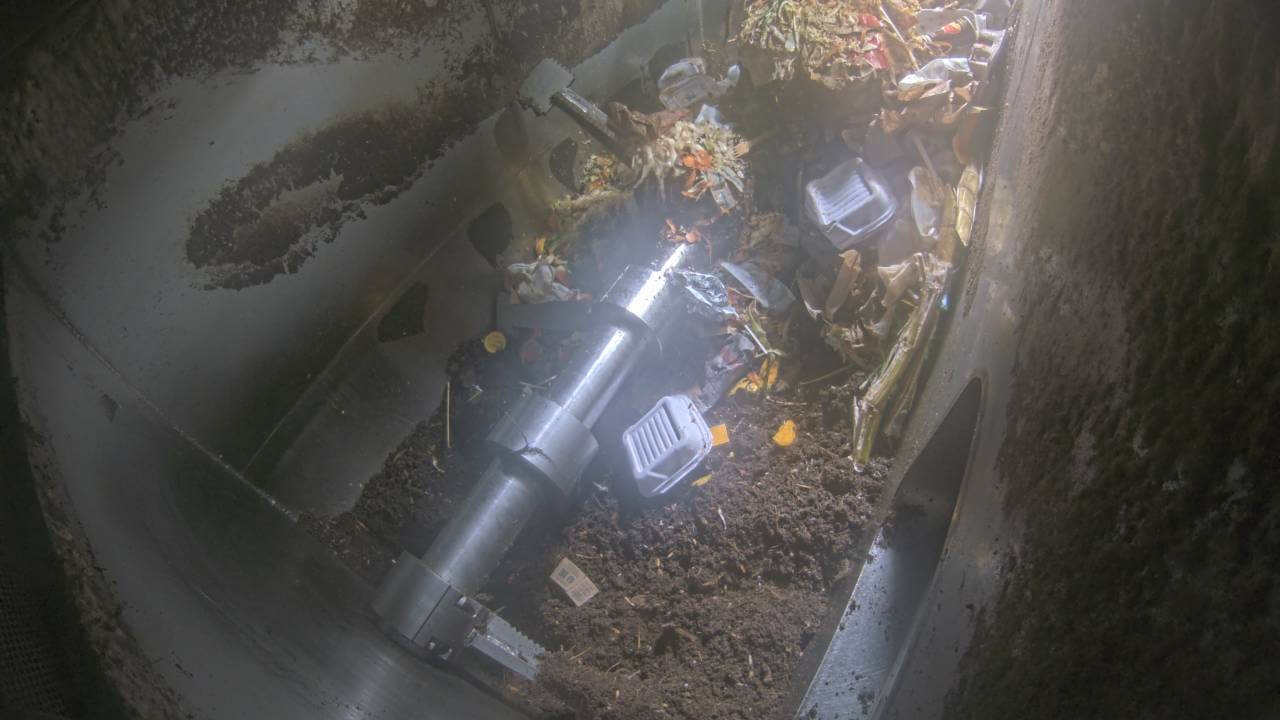
    • Process: The composter employs a combination of heat, continuous agitation, and specialized bacteria to break down the waste. This dry, aerobic setting does not require additional water or additives, making it an efficient and low-maintenance solution for food waste management.
    • Time: Remarkably, the T-REX Composter can break down waste in just 24 hours. This rapid turnaround is crucial for businesses needing quick and reliable waste disposal solutions.
    • Output: The output product is an inert, odor-free, nutrient-rich immature compost that can be used as a soil amendment. The composting process reduces the volume of the original waste by up to 80%, significantly cutting down on the amount of waste that needs to be managed and disposed of.

    What is “Immature Compost”?

    The output of the T-REX Composter, also known as immature compost is organic material that has begun to decompose but is not yet fully stabilized. While it requires further composting to become mature compost, it can be used as a soil amendment if incorporated into the soil well before planting, allowing it to continue decomposing and stabilizing.

    Environmental Impact

    The composting process in commercial composters is aerobic, meaning it occurs in the presence of oxygen. This prevents the formation and emission of methane, a potent greenhouse gas. During composting, carbon dioxide and water are released as by-products, which are significantly less harmful compared to methane. By using this aerobic process, the T-REX Composters contribute to more sustainable food waste management solutions.

    In Conclusion

    Understanding the composting process in commercial machines is crucial for responsible food waste management. These machines utilize heat, agitation, and thermophilic bacteria to transform organic waste into nutrient-rich compost rapidly. By avoiding methane production and reducing waste volume by up to 80%, commercial composters offer an environmentally friendly solution for managing food waste. Embracing these advanced composting technologies will lead to more sustainable food waste solutions, contributing to a greener future.

  • A Guide to Compostable Waste: Acceptable and Unacceptable Material For Effective Waste Management

    A Guide to Compostable Waste: Acceptable and Unacceptable Material For Effective Waste Management

    Effective food waste management is essential for sustainability. By understanding what can and cannot be composted, businesses can ensure their commercial T-REX Composters operate efficiently and safely. Here’s a concise guide to acceptable and unacceptable materials for composting.

    A Guide to Compostable Waste gallery image

    Acceptable Waste

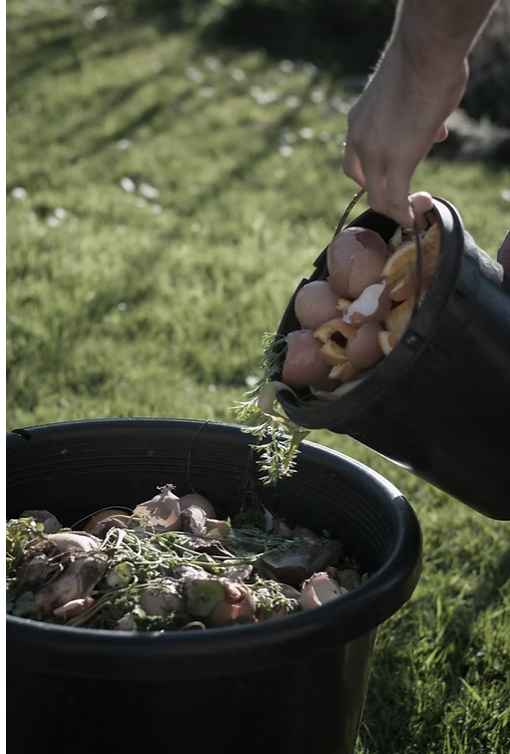
    • All Organic Food (Cooked or Raw): All food scraps, including fruit peels, vegetable scraps, and leftovers, are ideal for composting.
    • Compostable Tableware: Items made from bagasse (sugarcane fiber), such as plates and bowls, naturally break down in compost.
    • Eggshells: Eggshells contribute valuable calcium to compost.
    • Small Bones: Small bones, such as those from chicken or fish, can be composted and add essential minerals.
    • Specific Paper Products: Many paper products are compostable if they are not plastic-coated. These include:
      • Chopsticks: Wood chopsticks, which decompose naturally.
      • Coffee Cup Sleeves and Trays: Cardboard items are compostable.
      • Napkins and Paper Towels: Unbleached versions can be composted.
      • Paper Straws: These decompose naturally.
      • Paper Takeout Bags and Tray Liners: Compostable if not plastic-lined.
      • Wooden Takeout Cutlery: Biodegradable and compostable.

    Unacceptable Waste

    1. Chemicals: Toxic substances can harm the composting process and damage machinery.
    2. Coffee Cups: Most have a plastic lining that does not decompose properly, and can contaminate the compost.
    3. Cooking Oil or Frying Fat: Can coat machinery, causing malfunctions and disrupting the composting process.
    4. Course Woody Debris: Large branches or wood pieces can jam and damage the composters.
    5. Glass: Non-biodegradable and can damage composters.
    6. Large Bones & Shellfish: These take too long to decompose and can wear out machinery.
    7. Metal: Non-organic and can cause severe damage to composters.
    8. Plants or Roots: These can entangle around the machine’s pedals and damage the machinery.
    9. Plastic (Bags & Cutlery): Non-biodegradable and can contaminate the compost, in addition to not decomposing.
    10. Pure Liquids: Disrupt moisture balance and can cause corrosion in machinery.
    11. Toxic Substances: Harmful to both the composting process and equipment.
    A Guide to Compostable Waste

    Efficient Food Waste Management

    With the T-REX Composters relies on understanding acceptable materials. These commercial composters can process material by up to 80% in just 24 hours, making it crucial to avoid contaminants that could hinder this rapid composting process. By following these guidelines, businesses can ensure streamlined, safe, and sustainable food waste solutions. Being mindful of compostable materials and avoiding harmful contaminants will lead to richer, healthier soil amendment and a more sustainable future.

  • Safety Measures and Protocols for Your T-REX Composter

    Safety Measures and Protocols for Your T-REX Composter

    Safety is paramount when operating the T-REX Composter. This guide outlines the critical safety measures and protocols necessary to ensure the secure and effective use of this advanced food waste composter.

    Safety Measures and Protocols for Your T REX Composter gallery image

    Installation and Training

    • Certified Technicians Only: Installation and any repair work on the T-REX Composter machine must be performed by a certified Terraforma Systems technician. Always ensure that the power is off and disconnected before any dismantling or repair work.
    • Trained Personnel: Only trained operators are permitted to use the machine. All operators must undergo comprehensive training and familiarize themselves with the User Manual. Keeping a copy of the manual near the machine ensures that safety and operational information is readily accessible.

    General Composter Safety Guidelines

    • Avoid Physical Contact: Never climb on top of or into the composter. Never insert limbs or foreign objects into the composter.
    • Water Precautions: Do not spray the composter with water.
    • Lockout Procedures: Always follow proper lockout procedures before servicing or maintenance.
    • Avoid Moving Parts: Do not touch any moving parts while the machine is in operation.

    Detailed Safety Measures

    • Approved Technicians: Installation and repair work must be done by qualified technicians. For any service and repair concerns, please contact us through our Contact Us page.
    • Trained Operators: Only personnel who have received proper training by a Terraforma Systems representative are allowed to operate the composter. It is crucial that all operators read and understand the User Manual thoroughly.
      • Hands-Free Operation: Never insert your hands into the machine while it is running.
      • Entry Prohibition: Operators should never enter the composter.
      • Maintenance Protocol: Follow the outlined maintenance protocol for powering off the machine and for tasks requiring two operators.
    • Approved Waste: The composter is designed for organic waste and compostable post-consumer packaging as specified in the User Manual. Operators must refuse contaminated material and follow site-specific procedures for dealing with contaminated waste to prevent damage to the machine.
    • PPE Recommendation: While not mandatory, using personal protective equipment (PPE) such as gloves and protective glasses is recommended during operation.

    Safety Mechanisms

    • Welded Mesh and Sheet-Metal Panel: These prevent personnel access to all moving parts on the tote lifter.
    • Safety Interlock System: This system disables the machine unless the tote lifter door is shut and electrically locks the door as soon as the tote leaves the ground.
    Safety Measures and Protocols for Your T REX Composter

    Emergency Stop Protocol

    In the event of a dangerous situation, immediately push the Emergency Stop Button to halt the machine. This button stops the operation to prevent harm or damage. To restart, pull the Emergency Stop Button out, but note that the composting process will not resume automatically. Refer to the User Manual for detailed instructions.

    Residual Hazards

    Despite the comprehensive safety measures, some hazards may remain. It is essential that operators are aware of these residual hazards and know how to prevent harm.

    Responsibilities of the Owner:

    • Training Monitoring: Ensure operators are trained and follow safety protocols.
    • Standard Operating Procedures (SOPs): Implement and enforce SOPs tailored to specific site needs.
    • Disciplinary Measures: Use appropriate measures to enforce SOPs.
    • Safety Signage: Post signage and floor markings to highlight hazards.
    • Safety Culture: Develop a culture of safety awareness and open communication within the workplace.

    By adhering to these safety guidelines and measures, businesses can ensure the safe and reliable operation of their T-REX Composter, contributing to effective food waste management and sustainability.

  • Comprehensive Maintenance Plan for Your T-REX Composter

    Comprehensive Maintenance Plan for Your T-REX Composter

    Maintaining your T-REX Series Composter is essential for ensuring its optimal performance. This comprehensive guide provides you with the necessary care and maintenance tasks, helping you keep your machine running smoothly and efficiently.

    General T-REX Composter Maintenance Guidelines

    Certified Technicians: All repair and service work on your T-REX Series Composters must be carried out by a certified Terraforma Systems technician. If you require any repairs or service, please contact Terraforma Systems to arrange for professional assistance.

    Lockout Procedures: Always follow proper lockout procedures before performing any servicing or maintenance tasks that require lockout. This step is crucial for ensuring your safety while working on the machine.

    Cleaning and Maintenance Tasks

    To maintain your composter in its best condition, follow the cleaning and maintenance schedule. Each component of the machine requires specific attention at designated intervals to ensure effective operation.

    Daily Tasks

    • Input Filter: Clear debris from the input filter daily to maintain effective air intake. This ensures the machine runs efficiently and prevents blockages.
    • Output Filter: Similarly, remove debris from the output filter daily to ensure proper air outflow, allowing for uninterrupted airflow.
    • Cleaning: Sweep the floors surrounding the machine every day to avoid debris build-up, creating a clean and safe workspace.

    Weekly Tasks

    • Camera: Use a microfiber cloth to clean the camera lens weekly. Clear visibility ensures accurate monitoring of the composting process.
    • Exterior Cleaning: Wipe down the machine’s exterior weekly using a slightly damp cloth to remove dust and grime. Clean the top door and surrounding areas to prevent debris build-up.
    • Totes: Regularly clean the designated organics totes to prevent odor build-up. Weekly cleaning is recommended for hygienic conditions, especially in environments handling food waste.

    Cleaning Best Practices

    Safety

    • Power Down: Before any cleaning, power off and lock out the machine to prevent accidental activation.
    • Avoid Water: Never spray water or other liquids directly onto the composter. Excess moisture can damage the machine’s components.
    • Proper Access: Always use a step ladder to reach high or hard-to-access areas. Never climb on top of the composter, and avoid inserting any limbs or objects into the machine.

    Safe Cleaning Solutions

    • Diluted Vinegar: Use diluted vinegar solutions to clean the exterior stainless steel parts of the machine.
    • Hydrogen Peroxide: For disinfecting internal components, hydrogen peroxide is the recommended solution.
    • Avoid Harsh Chemicals: Do not use acids, sodium, chlorine, or abrasive materials like scouring powders or steel wool on any stainless steel surfaces.

    Cleaning Supplies

    • Step Ladder: Ensure you have a step ladder to access hard-to-reach areas.
    • Microfiber Cloths: Use these to clean the camera lens.
    • Wire Brush: Essential for removing debris from filters.
    • Cleaning Products: Only use approved cleaning solutions compatible with the machine’s materials.
    • Broom and Dustpan: Keep the surrounding area clean by sweeping up any debris daily.

    Quarterly & Annual Maintenance Servicing

    All quarterly and annual maintenance must be conducted by a certified Terraforma Systems technician. Key tasks include checking electrical and mechanical systems, inspecting filters and ventilation, and ensuring all components are in good working condition. Preventative maintenance services are available at an additional cost. Contact your Terraforma Systems agent for more details.

    By adhering to this maintenance plan, you will help ensure the longevity and optimal performance of your T-REX Series Composter, contributing to efficient waste management and sustainability.