Tag: post-consumer packaging

  • On-Site Composting as a System

    On-Site Composting as a System

    When organizations consider on-site composting, the conversation often starts with equipment. What size machine should we purchase? How much space will we need? What’s the ROI? While these are valid questions, they only scratch the surface.

    The truth is that on-site composting is not a product – it’s a system and implementing this system takes work and the motivation to transform the ways in which waste is handled on site.

    A successful composting program integrates people, processes, and infrastructure. It requires commitment from staff, clear protocols, and ongoing monitoring. It’s not something that can be installed and walked away from, and it’s important to understand that it will shift the way operations take place. 

    On-site composting is a living process that reflects your operational culture and values.

    It Starts with your Streams

    The foundation of any composting system is the material that goes in. Contamination, whether it’s plastics, packaging, or even the wrong types of organic waste (large bones!), can seriously impact the output and performance of your system.

    In fact, many product frustrations can be traced back to upstream issues. If materials aren’t sorted correctly before they enter the composter, the machine can’t do its job effectively.

    This is why we always recommend starting with a waste audit. It helps organizations understand what’s in their organic stream, what’s being missed, and what needs to change before composting begins. Whether you’re building from scratch or improving an existing system, clear insight into your waste streams is essential.

    Training, Signage, Feedback and Iterative Improvements

    Staff training, clear signage, and a shared understanding of why a system is in place are key to successful organics programs. For example: One of the most consistent challenges we see is around the use of bag liners.

    We can put up signage, we can train staff not to put bags in the bins, we can tell them not to input totes that have bags, but there’s still a systems problem. 

    It’s understandable that staff are reluctant to handle messy situations. However, the reality is that bag liners aren’t compatible with on-site composters. They take significantly longer to break down than organic waste, and often end up wrapped around the machine’s shaft, causing maintenance issues and reducing efficiency.

    That’s where a tote washing system like the VelociWash tote system comes in. It allows for quick and easy on-site cleaning of unlined organics totes, eliminating the need for bag liners altogether. Not only does this improve the performance of the composter, but it also reduces the labour required to clean bins by hand—making life easier for staff and keeping the system running smoothly.

    What Works in the Field for On-site Composting 

    From working with a range of clients, here’s what we’ve seen lead to successful composting programs:

    • Progressive implementation
      Start small and slowly implement changes. Many sites begin with back-of-house organics (from kitchens, food vendors, etc.) before expanding to tenants and front-of-house areas where post-consumer waste is more complex. This phased approach allows staff and tenants to gradually adapt.
    • Integrated training
      Staff interacting with the system need to know how it works, how to maintain it, and why it matters. Early and ongoing training prevents misuse, reduces frustration, and boosts long-term success.
    • Designated on-site leaders
      Having a few trained staff who oversee the entire composting system leads to better consistency. Too many people involved without clear responsibilities can lead to process breakdowns.
    • Communicating your story
      When waste disappears into a truck and no one sees what happens next, skepticism sets in. On-site composting creates transparency. Staff, tenants, and even customers can see the system working—and it creates a shared sense of ownership. This visibility drives better habits and encourages source separation and contamination reduction.

    A Cultural Shift

    Implementing on-site composting successfully requires more than logistics—it requires a shift in mindset. It asks teams to think differently about waste, ownership, and responsibility. It requires champions inside the organization and support from leadership. The most successful programs are those that treat composting not as a checkbox but as a cornerstone of their sustainability journey.

    Mapleview Shopping Centre is a great example of this cultural shift. You can read their success story and more about their process here.


  • Composting Food Waste at Airports Starts with the Right Tools

    Composting Food Waste at Airports Starts with the Right Tools

    Airports generate a lot of food waste. Between terminal restaurants, lounges, catering services, and staff kitchens, it adds up quickly. Managing that organic waste isn’t just a logistical issue. It’s also a chance to make a real environmental impact.

    More airports are now looking at composting food waste where it’s produced. Instead of hauling it off-site, they’re using equipment that lets them handle the process in-house. With the right system in place, on-site composting becomes part of the daily routine.

    A Practical Fit for Airport Operations

    The T-REX Composter is designed for busy, high-volume environments. It handles a constant flow of organic waste, including food scraps, prep waste, and certified compostable packaging. It processes the material into a nutrient-rich soil amendment and reduces the overall volume by up to 80 percent.

    Because it’s fully enclosed, there are no exposed piles or strong odors. It keeps operations clean and compact, which matters in a space-constrained environment like an airport.

    Reducing Emissions and Collection Costs

    Hauling food waste off-site takes fuel, time, and money. Every truck trip adds to the airport’s carbon footprint and increases costs. By composting on site, airports can avoid the emissions tied to transport and reduce reliance on outside service providers.

    For airports working toward net zero targets or trying to improve emissions reporting, this is one of the simplest and most direct changes they can make.

    Cleaner Sorting, Less Contamination

    When composting is done in-house, it gives staff, food vendors, and partners a clear path for separating organics. Sorting becomes easier and more accurate, which leads to cleaner streams and better diversion outcomes.

    Airports like YVR and SFO have seen success by pairing infrastructure with clear signage and ongoing training. The presence of an on-site composting reinforces the importance of proper sorting and reduces landfill-bound waste.

    A Visible Step Toward Sustainability

    Passengers are more environmentally aware than ever. When an airport takes visible action on sustainability, it builds trust and shows leadership. On-site composting is one of those actions that is both functional and symbolic.

    Some airports are already using the output soil amendment as compost in their own landscaping. It closes the loop, keeps the material on site, and turns waste into something useful and visible.

    Better Tracking and Data for Goals

    The T-REX Composter can be connected to monitoring tools that track input weight, processing rates, and diversion volumes. This data supports sustainability teams reporting concrete results.

    Instead of estimating impact, airports can track performance in real time and make adjustments as needed. It also supports programs like Airport Carbon Accreditation and broader climate action plans.

    More Control Over Waste Operations

    By composting on site, airports gain more control over their own operations. If haulers are delayed or off-site processors are unavailable, having equipment on the ground keeps things running smoothly.

    This added resilience helps reduce disruptions and makes the entire waste management system more reliable.

    Airports around the world are taking a closer look at how they manage food waste. On-site composting is proving to be a straightforward and effective solution. With the T-REX Composter, the shift is not only possible but also practical.

    If your airport is looking for ways to reduce waste, cut emissions, and build a more sustainable operation, composting on site is a smart place to start.

  • How Sustainability Builds Customer Loyalty

    How Sustainability Builds Customer Loyalty

    Sustainability is now a necessity, not an option. Customers are paying attention to how businesses handle waste, and those that take real steps toward reducing their environmental impact earn stronger loyalty. On-site composting is one of the most effective ways to show a commitment to sustainability while also creating deeper connections with customers.

    Why Customers Care About Sustainability 

    More people are making buying decisions based on a company’s environmental impact. Many are even willing to pay more for products and services from businesses that actively reduce waste. Younger generations, in particular, choose brands that align with their values and back up their claims with action.

    On-site composting is a simple but powerful way to demonstrate sustainability. It keeps organic waste out of landfills, reduces methane emissions, and contributes to healthier soil. Unlike vague green marketing claims, composting provides immediate and visible results. Businesses that integrate composting into their operations not only help the environment but also show customers they are serious about making a difference.

    How On-Site Composting Strengthens Customer Loyalty

    Customers Value Authenticity

    People appreciate businesses that follow through on their sustainability commitments. On-site composting is a transparent action that shows real results. Restaurants, hotels, and retailers can highlight theiron-site composting efforts with signage, social media updates, or direct customer engagement. When customers see a business taking meaningful steps, they are more likely to return and recommend it to others.

    A Better Customer Experience

    Sustainability improves the customer experience. A café that composts coffee grounds and food scraps attracts eco-conscious customers who want to support businesses that reflect their values. Hotels and resorts that compost organic waste reinforce their commitment to sustainability, which can lead to better reviews, higher guest satisfaction, and repeat stays.

    A Competitive Advantage in a Changing Market

    Many industries are seeing sustainability shift from an optional initiative to a customer expectation. Businesses that reduce waste and communicate their efforts effectively stand out. A grocery store, restaurant, or hospitality brand with an on-site composting program will attract customers who actively seek environmentally responsible choices. Showcasing these efforts on a website, in marketing materials, or through customer conversations reinforces a company’s leadership in sustainability.

    Beyond Customer Loyalty and the Business Benefits of On-Site Composting

    On-site composting does more than enhance a company’s reputation. It can also reduce waste disposal costs, improve overall waste management, and in some cases, qualify businesses for sustainability grants or incentives. As environmental regulations become stricter, businesses that adopt on-site composting with the T-REX composter will be better prepared for future requirements.

    Turning On-Site Composting Into a Brand Strength

    Customers want to support businesses that take sustainability seriously. On-site composting is a simple yet impactful way to show real commitment while gaining a competitive edge. When businesses share their on-site composting efforts through signage, marketing, or direct engagement, they build trust, strengthen customer relationships, and create long-term brand loyalty.

    Companies that embrace on-site composting are not just reducing waste. They are positioning themselves as leaders in sustainability and giving customers a compelling reason to keep coming back.

  • Fostering a Green Company Culture Through Employee Engagement in Sustainability

    Fostering a Green Company Culture Through Employee Engagement in Sustainability

    Sustainability isn’t just a talking point—it’s a practical necessity for companies aiming to thrive while making a positive impact. But sustainability efforts are only as strong as the people behind them. That’s why engaging employees is critical, and the T-REX Composter provides the perfect tool to bring sustainability to life. By turning food waste into nutrient-rich compost on-site, the T-REX Composter makes sustainability tangible, empowering employees to actively participate in reducing waste and improving environmental outcomes.

    Hands holding a wooden tray with three small plant seedlings in brown pots. Neutral background, focus on growth and nurturing. Cultivating green company culture.

    Why the T-REX Composter Drives Employee Engagement

    A Hands-On Sustainability Tool

    The T-REX Composter turns sustainability into something employees can see, touch, and contribute to daily. Instead of simply disposing of food waste, employees become part of a process that transforms waste into valuable compost. However, it’s important to note that only designated operators are authorized to run the machine. This ensures safe and efficient operation while maintaining employee involvement in waste separation and sustainability efforts.

    A Visible Commitment to Sustainability

    When employees see a T-REX Composter in action, it’s a clear signal that the company is serious about reducing its environmental footprint. Unlike temporary campaigns or generic recycling programs, the T-REX Composter is a long-term, impactful solution that shows sustainability is embedded in the company’s operations—not just a box to check.

    Inspiring Innovation and Ownership

    Employees involved in waste separation and tracking composting results often generate new ideas for reducing waste and utilizing compost effectively. Whether it’s streamlining waste collection or finding creative ways to use the finished compost, the T-REX Composter inspires innovation and gives employees a sense of ownership in sustainability initiatives.

    Building Team Spirit

    The T-REX Composter fosters collaboration. From organizing waste separation systems to tracking composting progress, employees work together to achieve sustainability goals. This teamwork boosts morale and strengthens bonds, creating a unified culture around shared environmental values.

    Making Sustainability Part of Daily Operations with the T-REX Composter

    Educate and Involve Employees

    Introduce the T-REX Composter to your team through hands-on demonstrations or workshops. Show them how food waste is processed and turned into compost, emphasizing the environmental and financial benefits. While employees play a key role in sustainability efforts, only trained operators handle the machine itself to ensure safety and compliance.

    Integrate Composting into Routine Tasks

    Make the T-REX Composter part of employees’ everyday workflows by establishing easy-to-use waste separation systems. While only operators manage the machine, employees can actively contribute by sorting waste properly and ensuring materials are compostable. This integration normalizes sustainability as a daily practice.

    Set Clear Goals and Track Progress

    Define measurable goals for your T-REX Composter, such as reducing landfill waste by a specific percentage or producing a certain amount of compost. Share progress with employees regularly to keep them engaged and celebrate milestones together.

    Encourage Employee-Led Initiatives

    Empower employees to take charge of sustainability projects, like managing waste streams or finding uses for the compost produced. While only trained operators can run the machine, broader employee involvement builds a sense of ownership and ensures the program’s long-term success.

    The T-REX Difference

    Adopting the T-REX Composter doesn’t just benefit the environment—it transforms your company’s approach to sustainability:

    • Tangible Environmental Impact: Divert significant amounts of organic waste from landfills while reducing greenhouse gas emissions.
    • Cost Savings: Eliminate or minimize waste hauling costs while generating a valuable soil amendment for landscaping or community projects.
    • Boosting Employee Engagement: Provide a practical way for employees to contribute to sustainability efforts, increasing their connection to the company’s mission.
    • Reputation Building: Demonstrate leadership in sustainability to customers, stakeholders, and the wider community.

    A Shared Mission

    Incorporating the T-REX Composter into your operations is more than an environmental initiative—it’s a catalyst for cultural change. By involving employees in waste transformation and sustainability efforts, you create a workplace where everyone feels invested in making a difference. While the T-REX is operated exclusively by trained personnel, its presence and impact inspire employee engagement in sustainability. The T-REX Composter isn’t just a tool; it’s a bridge between company goals and employee action, driving meaningful progress for your business and the planet.

  • Simplifying Waste Data Management With TFS IQ

    Simplifying Waste Data Management With TFS IQ

    In today’s world, effective waste management is about more than just reducing trash, it’s about understanding and optimizing the processes that handle it. That’s where TFS IQ comes in. Our platform provides immediate updates on the composting process of the T-REX Composter and tracks all the key data to help you manage waste more efficiently.

    TFS IQ gives businesses a clear view of their waste data management efforts, making it easier to track their T-REX‘s composting progress, monitor input and output, and make smarter decisions for sustainability. Whether you’re working to improve efficiency or meet waste diversion goals, TFS IQ offers the tools you need to achieve your waste reduction objectives.

    Instant Data for Smarter Waste Data Management

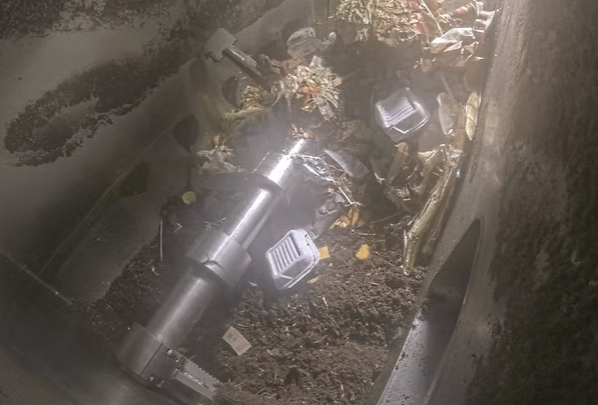
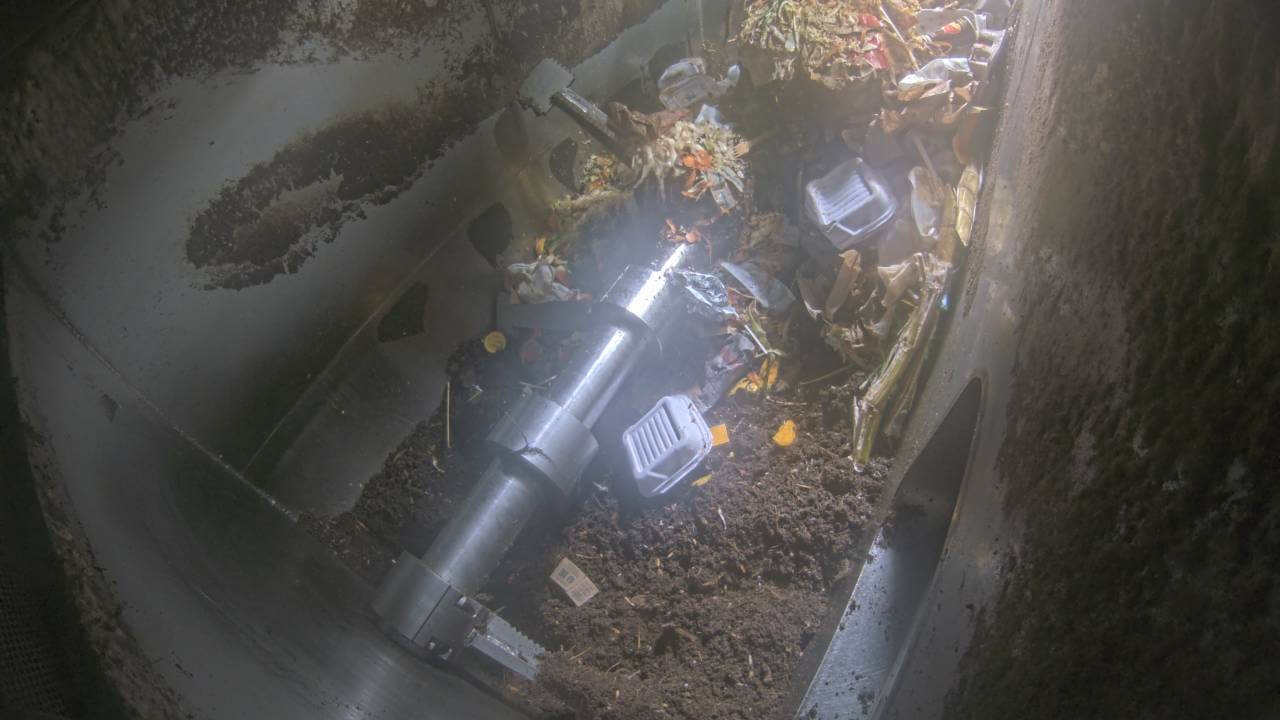
    One of the standout features of TFS IQ is its ability to provide instant access to data about what’s happening inside the T-REX Composter. Using advanced sensors and interior cameras, TFS IQ lets you see the composting process as it happens. These cameras track the compost’s condition and help spot any potential issues, like contamination, so you can address them without delay. The images are displayed on the machine screen and uploaded to the TFS IQ platform every few seconds, ensuring you always have access to the latest information.

    Keeping Track of T-REX Composter Machine Health

    TFS IQ isn’t just about monitoring the composting process, it also helps you keep your equipment in top shape. The platform tracks the health of your T-REX Series Composters, alerting you if any problems arise with the composter machine or the compost itself. Whether it’s a small issue that needs attention or a bigger problem requiring action, TFS IQ keeps you informed, helping prevent downtime and keeping your composting process running smoothly.

    Key Metrics to Track

    TFS IQ makes it easy to monitor a variety of important metrics during the composting process, ensuring you stay on top of your organic waste management.

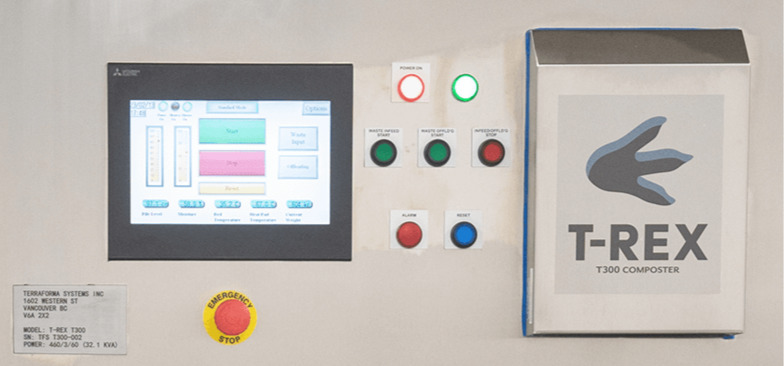
    Pile Temperature: Temperature control is a vital part of composting, and TFS IQ tracks it continuously. The system allows for adjustments of the pile temperature as needed, ensuring it stays within a safe range. If the temperature falls outside of the acceptable range, the system can be reset to keep things on track.

    Heat Pad Temperature: The heating pads of the composter raise the temperature of the organic material, and TFS IQ tracks their performance. The platform ensures the heat pads are operating efficiently, helping the compost break down effectively.

    Moisture Levels: Too much moisture can hinder the composting process. TFS IQ monitors the moisture levels, ensuring the compost stays at the optimal level, so necessary adjustments can be made to further assist and optimize the composting process.

    Load Cell Weight: The system tracks the weight of the materials being composted, allowing you to compare input and output weights. This helps measure the efficiency of your composting operation and track how well the system is handling the organic and post-consumer packaging waste.

    Monthly Reports to Guide Your Decisions

    TFS IQ also provides monthly reports that give you an overview of your composting operations. These reports include data on the time spent loading and offloading, the number of totes loaded, and the comparison of input and output weights. By analyzing this data, you can spot areas for improvement, make adjustments, and refine your operations.

    Making Data-Driven Decisions

    Ultimately, TFS IQ helps businesses make better, informed decisions about waste management when using the T-REX on-site composter. By providing rapid access to data, monitoring key metrics, and diagnosing issues early, the platform helps you optimize your composting operations and improve sustainability. Whether you’re focused on improving efficiency or minimizing environmental impact, TFS IQ gives you the insights you need to succeed.

    Key Takeaways

    TFS IQ is a valuable tool for any business looking to enhance their composting operations and manage waste more effectively when using the T-REX on-site composter. With its ability to track everything from pile temperature to moisture levels, the platform ensures you have the insights needed to make informed decisions. By giving you fast access to data and detailed reports, TFS IQ makes it easier to manage waste smarter, stay efficient, and push sustainability goals forward.

  • Managing the Holiday Waste Surge with Organic Waste and Packaging Challenges

    Managing the Holiday Waste Surge with Organic Waste and Packaging Challenges

    The holidays bring plenty of joy, celebration, and sharing, but they also lead to an overwhelming increase in waste. Whether it’s uneaten leftovers from festive meals or packaging from the season’s gift-giving, the holiday period generates significantly more organic and post-consumer waste compared to other times of the year. This spike creates challenges for waste management, particularly for businesses handling large volumes of food and customers.

    Increased Holiday Waste

    Organic waste often sees a dramatic rise during the holiday season, with estimates suggesting up to 30% more food waste. Over-purchasing, over-preparing, and poor meal planning are key contributors. Businesses in the hospitality sector face an even steeper increase due to banquets, catered events, and larger customer numbers, resulting in excess food that frequently ends up being discarded.

    Packaging waste adds another layer of complexity. Gift wrap, disposable containers, boxes, and plastic materials pile up, with many of these items being difficult or impossible to recycle. The seasonal peak in shopping and gift-giving exacerbates this issue, with waste from packaging increasing by roughly the same proportion as food waste.

    Environmental and Financial Impact

    Holiday waste doesn’t just disappear. Organic materials in landfills break down anaerobically, releasing methane, a greenhouse gas with a far greater impact than carbon dioxide. Mismanaged packaging waste often contaminates recycling systems, sending otherwise recoverable materials to landfills. Businesses are hit financially, too, with increased hauling and waste processing costs during the holiday rush.

    Role of On-Site Composting

    On-site composting offers an effective solution to handle the surge in organic waste and post-consumer packaging. The T-REX Composter provides a practical and sustainable approach to managing food scraps directly at the source.

    The T-REX can process up to anywhere between 275 to 1370 kilograms of organic waste daily depending on the machine size, making it well-suited for busy environments such as restaurants, event spaces, and large residential complexes. By reducing the need for off-site transportation, businesses can save significantly on hauling costs while reducing their carbon footprint. The soil-amendment produced on-site can be repurposed for landscaping, donated to local gardens, or even sold, turning waste into a valuable resource.

    Addressing Packaging Waste

    While on-site composting is a game changer for organic materials, holiday packaging waste remains a challenge. Businesses and individuals can take steps to reduce their impact by switching to compostable post-consumer packaging, encouraging proper sorting, and minimizing the use of single-use materials in favor of recyclable, reusable, or compostable alternatives. These small changes add up, lightening the load on waste systems and reducing the overall environmental impact. Additionally, compostable post-consumer packaging is processable through the T-REX Composter and can be added to the machine along with organic waste.

    A Sustainable Holiday Season

    The surge in waste during the holidays is a predictable challenge, but it doesn’t have to remain an inevitable problem. While adopting on-site composting with the T-REX Composter won’t solve this year’s holiday waste, planning now ensures businesses will be ready to handle next season’s challenges with a sustainable, efficient solution.

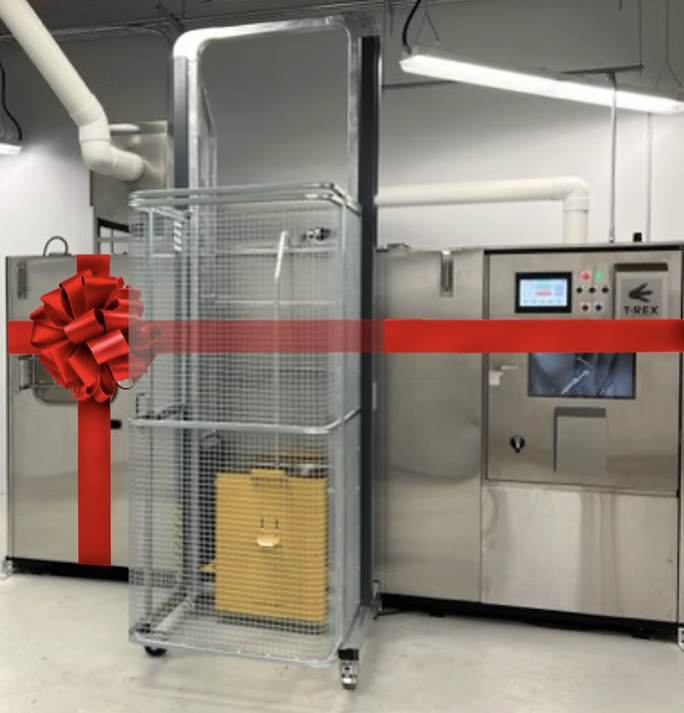
    The T-REX Composter is built to order, a process that takes time to ensure it meets the specific needs of high-volume environments. By acting early, businesses can position themselves to take control of their organic waste in time for the next holiday season, reducing costs, cutting emissions, and transforming what was once trash into a valuable resource.

    Taking steps today to prepare for future holidays allows businesses to align their operations with long-term sustainability goals. Managing holiday waste effectively isn’t just good for the environment—it’s an investment in a cleaner, more efficient future for both the planet and the business.

  • Boosting Soil Health and Odor Management with On-Site Composting

    Boosting Soil Health and Odor Management with On-Site Composting

    As businesses strive for more sustainable and efficient operations, on-site composting is gaining traction as a powerful tool. Beyond minimizing waste and cutting down on hauling costs, this approach brings two often-overlooked but crucial benefits, improved soil health and effective odor management. Below are some of the reasons why these advantages are encouraging more companies to switch to on-site composting and how they can transform your sustainability strategy.

    Hidden Benefit of On-Site Composting ― Nurturing Soil Health

    Healthy soil is the unsung hero behind thriving landscapes and agricultural productivity. On-site composting turns your organic waste into a nutrient-rich soil amendment resource that enriches soil structure, supports beneficial microorganisms, and promotes long-term soil health in the right conditions. Unlike chemical fertilizers that may deliver a short-lived boost but risk depleting the land over time, soil amendment fosters a balanced, regenerative environment.

    The soil amendment created through on-site organics and post-consumer packaging composting helps improve water retention and soil aeration, which in turn leads to healthier plant growth and greater resilience against erosion. For businesses with landscaping needs or agricultural interests, this results in robust, fertile soil that supports sustainable growth year after year. The process of transforming waste into a valuable soil amendment embodies a circular approach to sustainability that not only reduces waste but enhances natural ecosystems.

    Debunking Odor Management Myths

    A common misconception about composting is that it comes with inevitable, off-putting odors. However, on-site composting can be managed effectively to keep odor concerns at bay. By maintaining a balance of carbon-rich and nitrogen-rich materials and ensuring proper aeration, businesses can create the ideal environment for composting that minimizes unwanted smells.

    The advantage of on-site composting over traditional waste handling methods lies in the control it offers. When organic waste is left to sit for days before being transported, decomposition can lead to unpleasant odors that affect operations and relationships with neighboring properties. On-site composting systems address this by processing waste promptly, reducing the potential for odor development. This is especially important for businesses operating in urban or densely populated areas where maintaining a clean and pleasant environment is a priority.

    Why It Matters for Your Business

    Adopting on-site composting isn’t just about being eco-friendly; it’s about making smarter, more resource-efficient choices that benefit your bottom line and your reputation. Enhanced soil health means sustainable landscaping or agricultural practices that align with a company’s commitment to the environment. Composting in-house adds value by producing a consistent supply of organic material that keeps soils healthy without relying on synthetic inputs.

    Effective odor control further strengthens your company’s operations by ensuring positive community interactions. Businesses that prioritize these aspects send a clear message that they’re committed to thoughtful, comprehensive waste management that considers both environmental impact and practical, day-to-day needs.

    Future of Sustainable Operations ― From Waste to Resource

    The shift to on-site composting is about more than reducing waste; it’s about redefining waste as a resource. By embracing composting practices that enhance soil health and manage odors efficiently, companies can transform their waste management from a cost aspect into a strategic advantage. This approach promotes sustainability, supports long-term growth, and solidifies the business as a leader in environmentally conscious practices.

    Elevate your waste management strategy and join the growing number of businesses transforming their sustainability game with on-site composting. Enhanced soil health and effective odor management aren’t just benefits—they’re the pillars of a smarter future.

  • Understanding the Composting Process: Transforming Food Waste Responsibly

    Understanding the Composting Process: Transforming Food Waste Responsibly

    Proper food waste management is vital for sustainability. Commercial composters like the T-REX Composter are designed to transform organic waste and post-consumer packaging into nutrient-rich compost quickly and in an environmentally friendly manner. Here’s an overview of the machine’s composting process.

    Key Components of the Composting Process

    1. Heat

    • Accelerated Breakdown: The machine uses heat to speed up the decomposition of organic materials and post-consumer packaging.
    • Pathogen Elimination: Elevated temperatures ensure rapid composting and help eliminate pathogens.

    2. Agitation

    • Even Decomposition: Continuous agitation mixes the organic waste and post-consumer packaging, promoting even decomposition.
    • Exposure to Heat and Bacteria: Agitation ensures all parts of the waste are exposed to heat and bacteria.

    3. Thermophilic Bacteria

    • High-Temperature Conditions: These bacteria thrive in high temperatures, typically between 41°C (105°F) and 70°C (160°F).
    • Rapid Decomposition: They efficiently break down organic material and post-consumer packaging, speeding up the composting process.
    • Pathogen Reduction: High temperatures maintained by thermophilic bacteria help kill harmful pathogens, ensuring safer compost.

    Composting Mechanism

    • Input: The T-REX Composter processes a variety of organic waste, including small bones, eggshells, paper, and compostable post-consumer packaging. This diverse range of materials is essential for creating a balanced and nutrient-rich compost.
    • Process: The composter employs a combination of heat, continuous agitation, and specialized bacteria to break down the waste. This dry, aerobic setting does not require additional water or additives, making it an efficient and low-maintenance solution for food waste management.
    • Time: Remarkably, the T-REX Composter can break down waste in just 24 hours. This rapid turnaround is crucial for businesses needing quick and reliable waste disposal solutions.
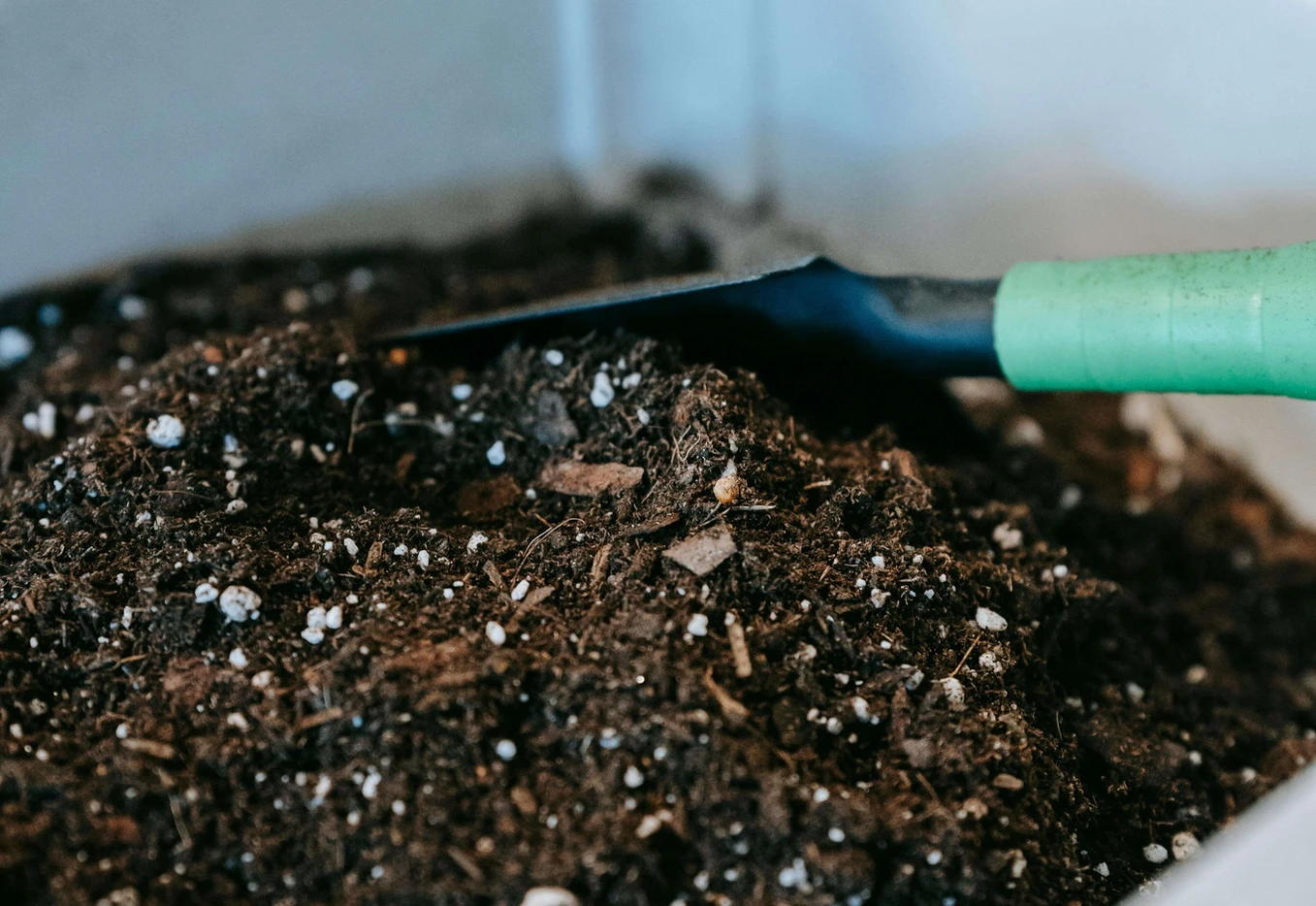
    • Output: The output product is an inert, odor-free, nutrient-rich immature compost that can be used as a soil amendment. The composting process reduces the volume of the original waste by up to 80%, significantly cutting down on the amount of waste that needs to be managed and disposed of.

    What is “Immature Compost”?

    The output of the T-REX Composter, also known as immature compost is organic material that has begun to decompose but is not yet fully stabilized. While it requires further composting to become mature compost, it can be used as a soil amendment if incorporated into the soil well before planting, allowing it to continue decomposing and stabilizing.

    Environmental Impact

    The composting process in commercial composters is aerobic, meaning it occurs in the presence of oxygen. This prevents the formation and emission of methane, a potent greenhouse gas. During composting, carbon dioxide and water are released as by-products, which are significantly less harmful compared to methane. By using this aerobic process, the T-REX Composters contribute to more sustainable food waste management solutions.

    In Conclusion

    Understanding the composting process in commercial machines is crucial for responsible food waste management. These machines utilize heat, agitation, and thermophilic bacteria to transform organic waste into nutrient-rich compost rapidly. By avoiding methane production and reducing waste volume by up to 80%, commercial composters offer an environmentally friendly solution for managing food waste. Embracing these advanced composting technologies will lead to more sustainable food waste solutions, contributing to a greener future.

  • A Guide to Compostable Waste: Acceptable and Unacceptable Material For Effective Waste Management

    A Guide to Compostable Waste: Acceptable and Unacceptable Material For Effective Waste Management

    Effective food waste management is essential for sustainability. By understanding what can and cannot be composted, businesses can ensure their commercial T-REX Composters operate efficiently and safely. Here’s a concise guide to acceptable and unacceptable materials for composting.

    A Guide to Compostable Waste gallery image

    Acceptable Waste

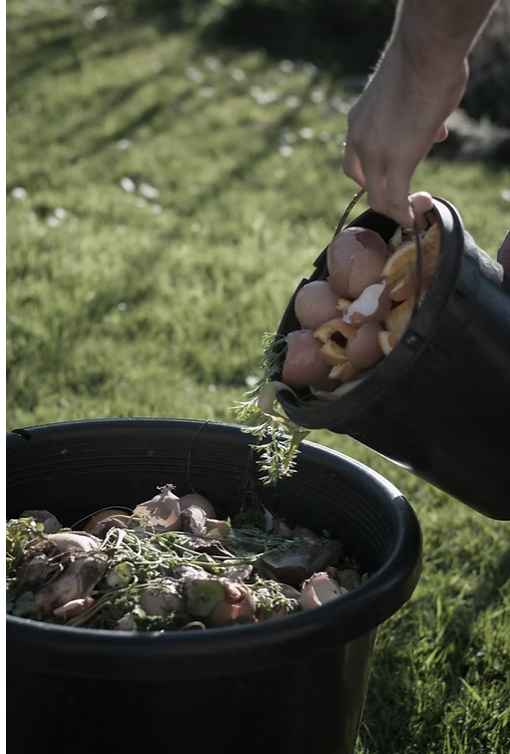
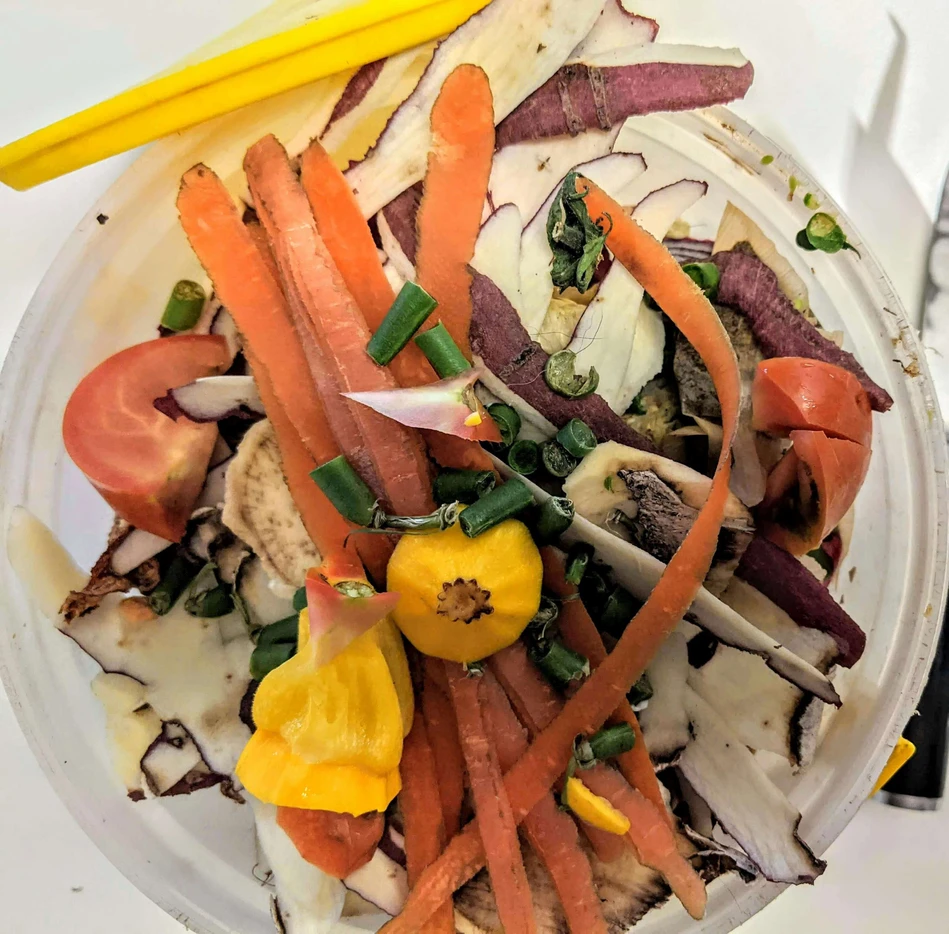
    • All Organic Food (Cooked or Raw): All food scraps, including fruit peels, vegetable scraps, and leftovers, are ideal for composting.
    • Compostable Tableware: Items made from bagasse (sugarcane fiber), such as plates and bowls, naturally break down in compost.
    • Eggshells: Eggshells contribute valuable calcium to compost.
    • Small Bones: Small bones, such as those from chicken or fish, can be composted and add essential minerals.
    • Specific Paper Products: Many paper products are compostable if they are not plastic-coated. These include:
      • Chopsticks: Wood chopsticks, which decompose naturally.
      • Coffee Cup Sleeves and Trays: Cardboard items are compostable.
      • Napkins and Paper Towels: Unbleached versions can be composted.
      • Paper Straws: These decompose naturally.
      • Paper Takeout Bags and Tray Liners: Compostable if not plastic-lined.
      • Wooden Takeout Cutlery: Biodegradable and compostable.

    Unacceptable Waste

    1. Chemicals: Toxic substances can harm the composting process and damage machinery.
    2. Coffee Cups: Most have a plastic lining that does not decompose properly, and can contaminate the compost.
    3. Cooking Oil or Frying Fat: Can coat machinery, causing malfunctions and disrupting the composting process.
    4. Course Woody Debris: Large branches or wood pieces can jam and damage the composters.
    5. Glass: Non-biodegradable and can damage composters.
    6. Large Bones & Shellfish: These take too long to decompose and can wear out machinery.
    7. Metal: Non-organic and can cause severe damage to composters.
    8. Plants or Roots: These can entangle around the machine’s pedals and damage the machinery.
    9. Plastic (Bags & Cutlery): Non-biodegradable and can contaminate the compost, in addition to not decomposing.
    10. Pure Liquids: Disrupt moisture balance and can cause corrosion in machinery.
    11. Toxic Substances: Harmful to both the composting process and equipment.
    A Guide to Compostable Waste

    Efficient Food Waste Management

    With the T-REX Composters relies on understanding acceptable materials. These commercial composters can process material by up to 80% in just 24 hours, making it crucial to avoid contaminants that could hinder this rapid composting process. By following these guidelines, businesses can ensure streamlined, safe, and sustainable food waste solutions. Being mindful of compostable materials and avoiding harmful contaminants will lead to richer, healthier soil amendment and a more sustainable future.

  • Safety Measures and Protocols for Your T-REX Composter

    Safety Measures and Protocols for Your T-REX Composter

    Safety is paramount when operating the T-REX Composter. This guide outlines the critical safety measures and protocols necessary to ensure the secure and effective use of this advanced food waste composter.

    Safety Measures and Protocols for Your T REX Composter gallery image

    Installation and Training

    • Certified Technicians Only: Installation and any repair work on the T-REX Composter machine must be performed by a certified Terraforma Systems technician. Always ensure that the power is off and disconnected before any dismantling or repair work.
    • Trained Personnel: Only trained operators are permitted to use the machine. All operators must undergo comprehensive training and familiarize themselves with the User Manual. Keeping a copy of the manual near the machine ensures that safety and operational information is readily accessible.

    General Composter Safety Guidelines

    • Avoid Physical Contact: Never climb on top of or into the composter. Never insert limbs or foreign objects into the composter.
    • Water Precautions: Do not spray the composter with water.
    • Lockout Procedures: Always follow proper lockout procedures before servicing or maintenance.
    • Avoid Moving Parts: Do not touch any moving parts while the machine is in operation.

    Detailed Safety Measures

    • Approved Technicians: Installation and repair work must be done by qualified technicians. For any service and repair concerns, please contact us through our Contact Us page.
    • Trained Operators: Only personnel who have received proper training by a Terraforma Systems representative are allowed to operate the composter. It is crucial that all operators read and understand the User Manual thoroughly.
      • Hands-Free Operation: Never insert your hands into the machine while it is running.
      • Entry Prohibition: Operators should never enter the composter.
      • Maintenance Protocol: Follow the outlined maintenance protocol for powering off the machine and for tasks requiring two operators.
    • Approved Waste: The composter is designed for organic waste and compostable post-consumer packaging as specified in the User Manual. Operators must refuse contaminated material and follow site-specific procedures for dealing with contaminated waste to prevent damage to the machine.
    • PPE Recommendation: While not mandatory, using personal protective equipment (PPE) such as gloves and protective glasses is recommended during operation.

    Safety Mechanisms

    • Welded Mesh and Sheet-Metal Panel: These prevent personnel access to all moving parts on the tote lifter.
    • Safety Interlock System: This system disables the machine unless the tote lifter door is shut and electrically locks the door as soon as the tote leaves the ground.
    Safety Measures and Protocols for Your T REX Composter

    Emergency Stop Protocol

    In the event of a dangerous situation, immediately push the Emergency Stop Button to halt the machine. This button stops the operation to prevent harm or damage. To restart, pull the Emergency Stop Button out, but note that the composting process will not resume automatically. Refer to the User Manual for detailed instructions.

    Residual Hazards

    Despite the comprehensive safety measures, some hazards may remain. It is essential that operators are aware of these residual hazards and know how to prevent harm.

    Responsibilities of the Owner:

    • Training Monitoring: Ensure operators are trained and follow safety protocols.
    • Standard Operating Procedures (SOPs): Implement and enforce SOPs tailored to specific site needs.
    • Disciplinary Measures: Use appropriate measures to enforce SOPs.
    • Safety Signage: Post signage and floor markings to highlight hazards.
    • Safety Culture: Develop a culture of safety awareness and open communication within the workplace.

    By adhering to these safety guidelines and measures, businesses can ensure the safe and reliable operation of their T-REX Composter, contributing to effective food waste management and sustainability.