
Tag: post-consumer packaging

  • Soil Amendment: What It Is and How to Use It

    Soil Amendment: What It Is and How to Use It

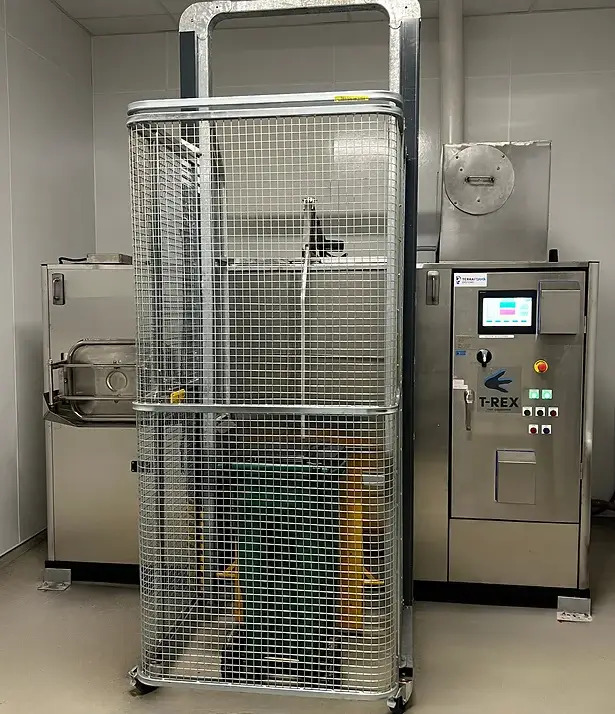
    Soil amendments are a crucial practice for those seeking to optimize the health of their agricultural and garden soils. While natural soil can be inconsistent in nutrient levels, texture, and water retention, the use of soil amendments helps address these issues. The T-REX Composter, with its advanced technology, provides a sustainable way to create high-quality soil amendments, transforming organic waste into a valuable resources.Comprehensive Maintenance Plan for Your T-REX Composter

    Understanding Soil Amendment

    Soil amendments are materials added to soil to improve its physical properties, nutrient content, and overall structure. Unlike fertilizers, which directly supply nutrients to plants, soil amendments enhance the soil’s capacity to support plant growth. This includes improving aeration, water retention, drainage, and nutrient availability. The T-REX Composter produces a rich compost that serves as an excellent soil amendment, offering a balanced blend of organic matter that boosts soil health.

    Why Soil Amendment Is Important

    Most soils are far from perfect. They can be too sandy, or simply lacking in organic matter. These conditions can lead to poor plant growth, waterlogging, or drought stress. Soil amendments help to address these issues by modifying the soil’s structure and composition. For instance, the compost generated by the T-REX Composter can loosen compacted soil, improving root penetration and water movement, while also helping sandy soils retain moisture and nutrients.

    How to Use Soil Amendment from the T-REX Composter

    Before applying any soil amendments, it’s essential to conduct a soil test to understand your soil’s needs. This will guide you in determining the right amount and type of amendment to use. Once you have your results, incorporating compost from the T-REX Composter is straightforward.

    For existing agricultural soils and garden beds, spread a layer of compost about 1-2 inches thick over the soil surface. Then, gently work it into the top few inches of soil. This method improves the soil structure and introduces essential nutrients gradually, promoting long-term soil fertility. In new areas with very poor soil, you can incorporate a thicker layer, around 2-4 inches, to give your plants the best possible start.

    The compost from the T-REX Composter is particularly effective because it is fully decomposed and rich in organic matter. It not only provides nutrients but also supports beneficial microbial activity in the soil, which is vital for plant health. Additionally, regular application of compost helps maintain soil structure, preventing compaction and ensuring that your plants receive the water and nutrients they need.

    Benefits of Regular Soil Amendment

    Using compost from the T-REX Composter as a soil amendment offers numerous benefits. It enhances soil fertility by adding essential nutrients and organic matter, improves soil texture, and increases the soil’s ability to retain moisture. Over time, this leads to healthier plants, higher yields, and a more resilient farmland and garden ecosystem.

    Moreover, by using compost as a soil amendment, you contribute to sustainable gardening practices. The T-REX Composter turns food scraps and other organic waste into a valuable resource, reducing landfill waste and promoting a circular approach to agriculture and gardening. This not only benefits your garden but also helps in conserving natural resources and protecting the environment.

    Soil Amendment gallery image

    In Summary

    Soil amendments are an essential practice for any farmer or gardener looking to improve soil health and plants. The T-REX Composter provides a convenient and eco-friendly way to produce high-quality compost, which can be used to amend your soil effectively. By regularly incorporating this compost into your land and garden, you can create a fertile, well-structured soil that supports plant growth and a thriving farmland and garden ecosystems.

  • Why Companies Are Switching to On-Site Composting

    Why Companies Are Switching to On-Site Composting

    In today’s world, where sustainability and cost-efficiency are paramount, businesses across various industries are increasingly adopting on-site composting solutions. While environmental benefits such as waste reduction and soil enhancement are significant drivers, a primary motivator for this shift is the substantial cost savings associated with reducing or eliminating the need to haul organic and post-consumer packaging waste to external composting facilities. This article explores why companies are making the switch to on-site composting and how this decision is reshaping waste management practices.

    Cost Savings and Waste Management Efficiency

    One of the most compelling reasons businesses are transitioning to on-site composting is the potential for substantial cost savings. Traditional waste management methods often involve significant fees for hauling organic and post-consumer packaging waste to off-site facilities. These costs can quickly add up, especially for businesses generating large volumes of waste.

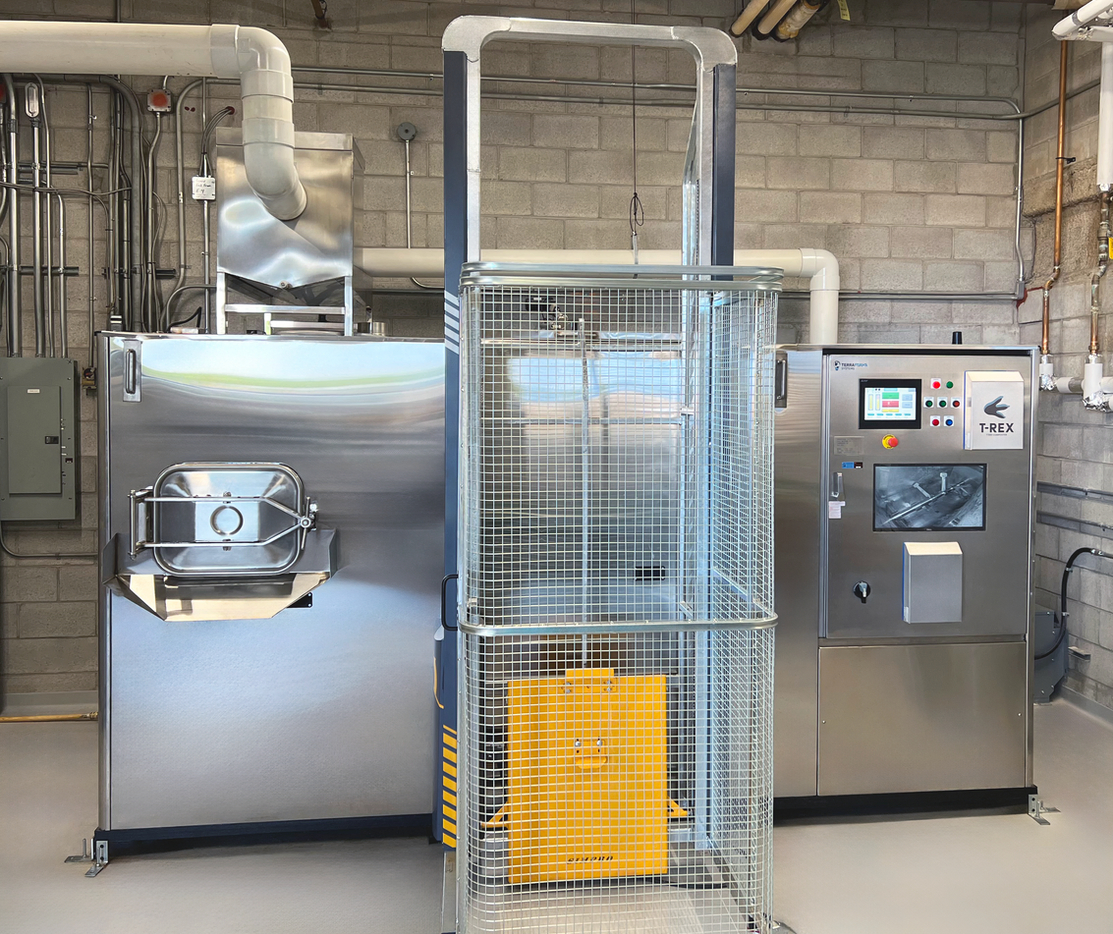
    By implementing on-site composting systems, such as the T-REX Series Composters, companies can drastically reduce these hauling fees. This not only helps to cut operational costs but also frees up resources for other critical areas of the business. On-site composting also enhances waste management efficiency by streamlining waste handling processes and simplifying waste disposal logistics. This results in smoother operations and fewer disruptions, providing a more controlled and predictable waste management system.

    Environmental Benefits: Sustainability and Reduced Carbon Footprint

    On-site composting offers significant environmental benefits that extend beyond cost savings. One major advantage is its contribution to sustainability. By diverting organic waste from landfills, companies can significantly reduce their environmental impact. Organic waste decomposing in landfills generates methane (CH4), a potent greenhouse gas that contributes to climate change.

    On-site composting converts organic waste into nutrient-rich soil amendment, helping to mitigate this issue and support local ecosystems. Reducing the carbon footprint is another critical benefit of on-site composting. Managing organic waste on-site reduces the need for waste transportation, thereby lowering carbon emissions from transportation vehicles. This aligns with broader sustainability goals and helps businesses meet the increasing environmental regulations and standards.

    Enhanced Soil Health and Odor Management

    On-site composting systems offer practical advantages for businesses as well. The soil amendment produced can be used to enhance soil health, which is particularly beneficial for companies with green spaces, landscaping needs, or agricultural operations. The nutrient-rich soil amendment improves soil quality, boosts plant growth, and reduces the need for synthetic fertilizers, leading to healthier plants and more vibrant green spaces.

    Additionally, on-site composting systems can effectively manage and reduce odors associated with organic waste. Properly managed composting processes use advanced aeration and decomposition methods to minimize unpleasant smells. This not only enhances the working environment for employees but also improves the overall experience for clients and visitors.

    Strategies for Successful Implementation

    To effectively implement on-site composting, businesses should consider a few key strategies. Conducting a waste audit is essential to understanding the volume and types of organic waste generated. This information will guide the selection of the most suitable composting system for the company’s needs.

    Engaging employees through training programs can also foster a culture of sustainability and ensure proper waste separation. Collaborating with waste management experts and composting technology providers, such as the Terraforma Systems team with the T-REX Series Composters, can further streamline the implementation process. These partnerships offer valuable insights and support, making it easier for businesses to integrate on-site composting into their operations.

    Transforming Waste Management Through On-Site Composting

    The shift towards on-site composting such as the T-REX Composter represents a transformative change in how businesses manage their organic and post-consumer packaging waste. By embracing this approach, companies can achieve significant cost savings, enhance their environmental sustainability, and improve operational efficiency. As more businesses recognize the benefits of on-site composting, this practice is likely to become increasingly prevalent, contributing to a more sustainable and resource-efficient future.

  • Reduce Cost of Hauling Food Waste with the T-REX Composter

    Reduce Cost of Hauling Food Waste with the T-REX Composter

    Food waste is a growing problem worldwide, with serious economic, environmental, and logistical consequences. In Canada alone, nearly over half of all food produced is wasted annually, leading to billions in lost revenue while also contributing to climate change.

    In addition to the waste itself, the transportation of this organic material to disposal sites or composting facilities is another costly factor. As the cost of hauling food waste rises, businesses, particularly in the foodservice industry, are searching for solutions that can help reduce these expenses.

    TheT-REX Composter provides an effective alternative by enabling companies to process waste directly on-site, eliminating the need for expensive transportation and reducing the environmental footprint of waste disposal.

    Hidden Cost of Hauling Organic and Post-Consumer Waste

    While many businesses are aware of the price tag attached to food waste, they often overlook how much they are spending on transporting that waste. In some areas, hauling fees can exceed $75 per ton, a significant cost for industries generating large amounts of organic waste.

    Restaurants, for instance, generate food waste during both the preparation and serving stages, creating a continuous need for waste removal. These waste materials are often transported to landfills or composting centers that may be located far from the source, which drives up the cost further. Additionally, the vehicles involved in this process contribute to carbon emissions, adding to the overall environmental impact.

    Beyond financial expenses, organic waste that ends up in landfills decomposes and releases methane, a powerful greenhouse gas that is much more effective at trapping heat in the atmosphere than carbon dioxide. By reducing the amount of organic waste transported to landfills, businesses not only cut costs but also play a role in lessening their environmental footprint.

    On-Site Composting: A Practical Solution

    One highly effective strategy for tackling these issues is the adoption of on-site composting. With the T-REX Composter, businesses can process their organic waste at the location where it’s produced, transforming it into nutrient-dense soil amendment that can be reused in landscaping or agriculture.

    This significantly reduces reliance on external hauling services and can lead to substantial savings in waste management costs. Unlike conventional composting methods that take months to complete, the T-REX Composter rapidly processes waste into usable soil amendment within 24 hours.

    By lowering hauling expenses and minimizing the need for external facilities, companies can enjoy direct savings while also reducing their carbon footprint. The process is not only cost-efficient but also contributes to a circular economy by turning waste into a resource.

    Environmental and Financial Advantages

    Incorporating on-site composting technology like the T-REX Composter enables businesses to mitigate the environmental impact of food waste. Organic waste diverted from landfills no longer contributes to methane emissions, thereby reducing a company’s environmental footprint. In addition to these environmental benefits, businesses can also avoid the costs associated with landfill disposal and position themselves as leaders in sustainability.

    In essence, on-site composting reduces the cost of hauling food waste and addresses the larger challenge of managing waste throughout the food supply chain. Whether it’s during production, distribution, or consumption, substantial amounts of food are lost or wasted due to inefficiencies. By focusing on waste reduction at the source, businesses can cut costs and contribute to a more sustainable system overall.

    Reduce Cost of Hauling Food Waste with the T REX Composter gallery image

    T-REX Series Composter: A Comprehensive Solution

    The T-REX Composter offers much more than just a cost-saving measure for waste hauling. It provides an innovative, eco-friendly solution for businesses seeking to enhance their waste management practices. By handling waste on-site, companies can reduce their waste management expenses and streamline their operations. Over time, the investment in a system like the T-REX Composter can pay for itself by eliminating recurring hauling fees and reducing the overall volume of waste sent to landfills.

    For businesses in the industrial, commercial and institutional (ICI) sector, where food waste is a constant challenge, the T-REX Composter delivers immediate results. By efficiently managing both pre-consumer and post-consumer waste, it prevents organic waste from ending up in landfills and significantly decreases the total waste volume, further lowering disposal costs.

    Unlock Cost Savings and Sustainability with On-Site Composting

    In today’s business landscape, achieving sustainability and cost-efficiency is critical. The T-REX Composter provides an all-in-one solution for businesses facing rising food waste hauling costs. By processing waste on-site, companies can cut costs, minimize their environmental impact, and improve operational efficiency. As businesses confront rising waste management expenses and increasing pressure to adopt more sustainable practices, the T-REX Composter presents a practical, forward-thinking solution.