
Tag: soil amendment

  • Why Companies Are Switching to On-Site Composting

    Why Companies Are Switching to On-Site Composting

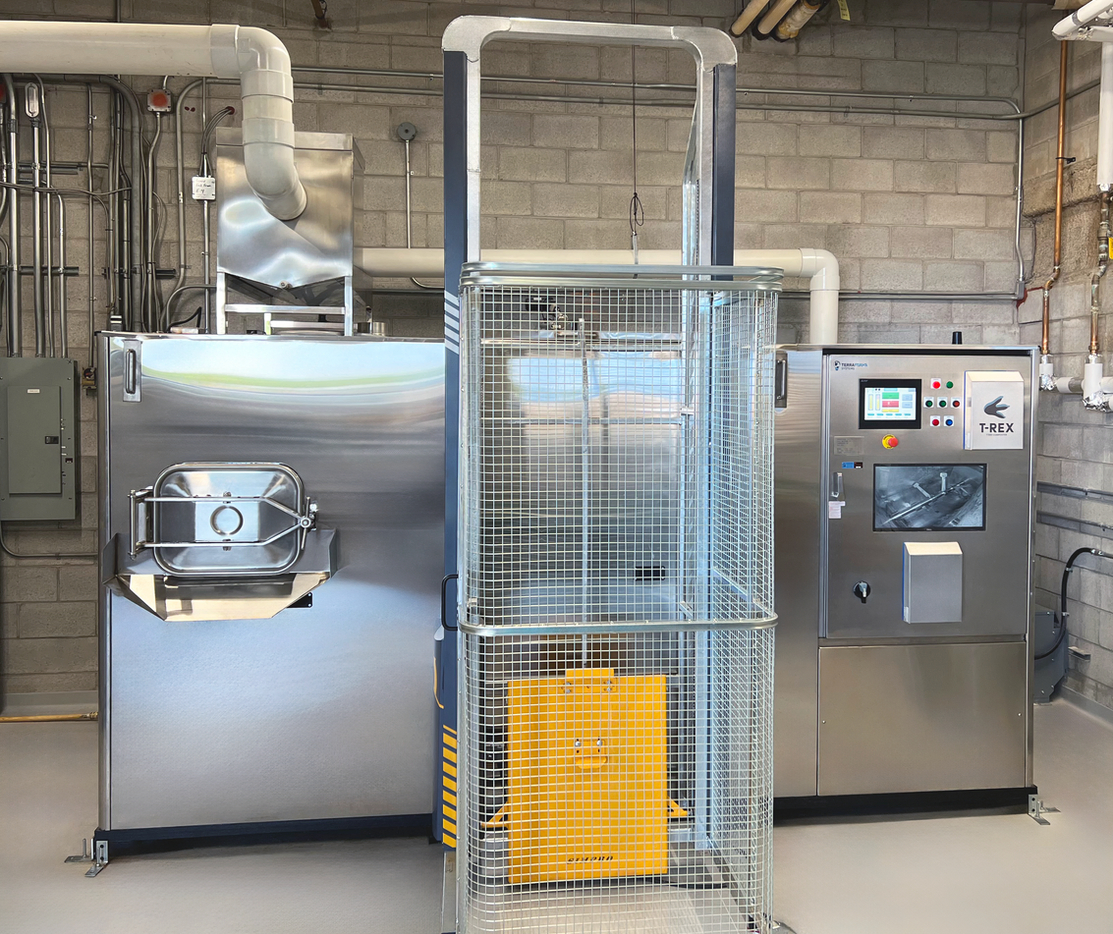
    In today’s world, where sustainability and cost-efficiency are paramount, businesses across various industries are increasingly adopting on-site composting solutions. While environmental benefits such as waste reduction and soil enhancement are significant drivers, a primary motivator for this shift is the substantial cost savings associated with reducing or eliminating the need to haul organic and post-consumer packaging waste to external composting facilities. This article explores why companies are making the switch to on-site composting and how this decision is reshaping waste management practices.

    Cost Savings and Waste Management Efficiency

    One of the most compelling reasons businesses are transitioning to on-site composting is the potential for substantial cost savings. Traditional waste management methods often involve significant fees for hauling organic and post-consumer packaging waste to off-site facilities. These costs can quickly add up, especially for businesses generating large volumes of waste.

    By implementing on-site composting systems, such as the T-REX Series Composters, companies can drastically reduce these hauling fees. This not only helps to cut operational costs but also frees up resources for other critical areas of the business. On-site composting also enhances waste management efficiency by streamlining waste handling processes and simplifying waste disposal logistics. This results in smoother operations and fewer disruptions, providing a more controlled and predictable waste management system.

    Environmental Benefits: Sustainability and Reduced Carbon Footprint

    On-site composting offers significant environmental benefits that extend beyond cost savings. One major advantage is its contribution to sustainability. By diverting organic waste from landfills, companies can significantly reduce their environmental impact. Organic waste decomposing in landfills generates methane (CH4), a potent greenhouse gas that contributes to climate change.

    On-site composting converts organic waste into nutrient-rich soil amendment, helping to mitigate this issue and support local ecosystems. Reducing the carbon footprint is another critical benefit of on-site composting. Managing organic waste on-site reduces the need for waste transportation, thereby lowering carbon emissions from transportation vehicles. This aligns with broader sustainability goals and helps businesses meet the increasing environmental regulations and standards.

    Enhanced Soil Health and Odor Management

    On-site composting systems offer practical advantages for businesses as well. The soil amendment produced can be used to enhance soil health, which is particularly beneficial for companies with green spaces, landscaping needs, or agricultural operations. The nutrient-rich soil amendment improves soil quality, boosts plant growth, and reduces the need for synthetic fertilizers, leading to healthier plants and more vibrant green spaces.

    Additionally, on-site composting systems can effectively manage and reduce odors associated with organic waste. Properly managed composting processes use advanced aeration and decomposition methods to minimize unpleasant smells. This not only enhances the working environment for employees but also improves the overall experience for clients and visitors.

    Strategies for Successful Implementation

    To effectively implement on-site composting, businesses should consider a few key strategies. Conducting a waste audit is essential to understanding the volume and types of organic waste generated. This information will guide the selection of the most suitable composting system for the company’s needs.

    Engaging employees through training programs can also foster a culture of sustainability and ensure proper waste separation. Collaborating with waste management experts and composting technology providers, such as the Terraforma Systems team with the T-REX Series Composters, can further streamline the implementation process. These partnerships offer valuable insights and support, making it easier for businesses to integrate on-site composting into their operations.

    Transforming Waste Management Through On-Site Composting

    The shift towards on-site composting such as the T-REX Composter represents a transformative change in how businesses manage their organic and post-consumer packaging waste. By embracing this approach, companies can achieve significant cost savings, enhance their environmental sustainability, and improve operational efficiency. As more businesses recognize the benefits of on-site composting, this practice is likely to become increasingly prevalent, contributing to a more sustainable and resource-efficient future.

  • Reduce Cost of Hauling Food Waste with the T-REX Composter

    Reduce Cost of Hauling Food Waste with the T-REX Composter

    Food waste is a growing problem worldwide, with serious economic, environmental, and logistical consequences. In Canada alone, nearly over half of all food produced is wasted annually, leading to billions in lost revenue while also contributing to climate change.

    In addition to the waste itself, the transportation of this organic material to disposal sites or composting facilities is another costly factor. As the cost of hauling food waste rises, businesses, particularly in the foodservice industry, are searching for solutions that can help reduce these expenses.

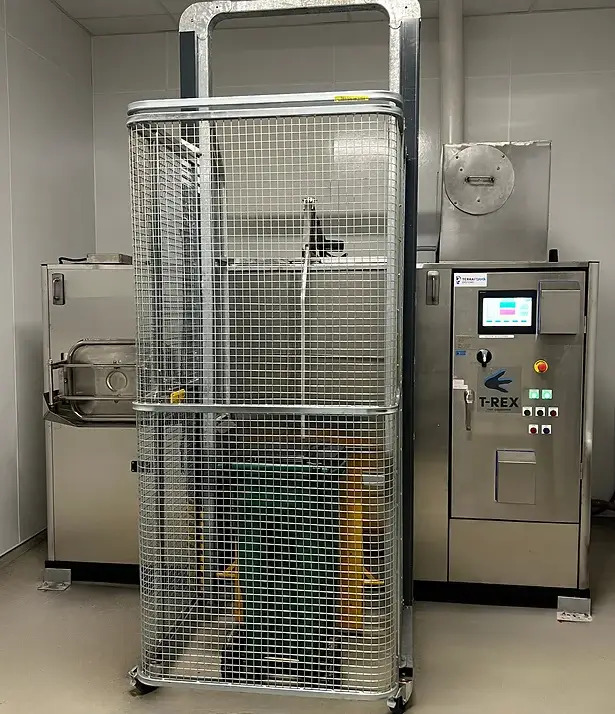
    TheT-REX Composter provides an effective alternative by enabling companies to process waste directly on-site, eliminating the need for expensive transportation and reducing the environmental footprint of waste disposal.

    Hidden Cost of Hauling Organic and Post-Consumer Waste

    While many businesses are aware of the price tag attached to food waste, they often overlook how much they are spending on transporting that waste. In some areas, hauling fees can exceed $75 per ton, a significant cost for industries generating large amounts of organic waste.

    Restaurants, for instance, generate food waste during both the preparation and serving stages, creating a continuous need for waste removal. These waste materials are often transported to landfills or composting centers that may be located far from the source, which drives up the cost further. Additionally, the vehicles involved in this process contribute to carbon emissions, adding to the overall environmental impact.

    Beyond financial expenses, organic waste that ends up in landfills decomposes and releases methane, a powerful greenhouse gas that is much more effective at trapping heat in the atmosphere than carbon dioxide. By reducing the amount of organic waste transported to landfills, businesses not only cut costs but also play a role in lessening their environmental footprint.

    On-Site Composting: A Practical Solution

    One highly effective strategy for tackling these issues is the adoption of on-site composting. With the T-REX Composter, businesses can process their organic waste at the location where it’s produced, transforming it into nutrient-dense soil amendment that can be reused in landscaping or agriculture.

    This significantly reduces reliance on external hauling services and can lead to substantial savings in waste management costs. Unlike conventional composting methods that take months to complete, the T-REX Composter rapidly processes waste into usable soil amendment within 24 hours.

    By lowering hauling expenses and minimizing the need for external facilities, companies can enjoy direct savings while also reducing their carbon footprint. The process is not only cost-efficient but also contributes to a circular economy by turning waste into a resource.

    Environmental and Financial Advantages

    Incorporating on-site composting technology like the T-REX Composter enables businesses to mitigate the environmental impact of food waste. Organic waste diverted from landfills no longer contributes to methane emissions, thereby reducing a company’s environmental footprint. In addition to these environmental benefits, businesses can also avoid the costs associated with landfill disposal and position themselves as leaders in sustainability.

    In essence, on-site composting reduces the cost of hauling food waste and addresses the larger challenge of managing waste throughout the food supply chain. Whether it’s during production, distribution, or consumption, substantial amounts of food are lost or wasted due to inefficiencies. By focusing on waste reduction at the source, businesses can cut costs and contribute to a more sustainable system overall.

    Reduce Cost of Hauling Food Waste with the T REX Composter gallery image

    T-REX Series Composter: A Comprehensive Solution

    The T-REX Composter offers much more than just a cost-saving measure for waste hauling. It provides an innovative, eco-friendly solution for businesses seeking to enhance their waste management practices. By handling waste on-site, companies can reduce their waste management expenses and streamline their operations. Over time, the investment in a system like the T-REX Composter can pay for itself by eliminating recurring hauling fees and reducing the overall volume of waste sent to landfills.

    For businesses in the industrial, commercial and institutional (ICI) sector, where food waste is a constant challenge, the T-REX Composter delivers immediate results. By efficiently managing both pre-consumer and post-consumer waste, it prevents organic waste from ending up in landfills and significantly decreases the total waste volume, further lowering disposal costs.

    Unlock Cost Savings and Sustainability with On-Site Composting

    In today’s business landscape, achieving sustainability and cost-efficiency is critical. The T-REX Composter provides an all-in-one solution for businesses facing rising food waste hauling costs. By processing waste on-site, companies can cut costs, minimize their environmental impact, and improve operational efficiency. As businesses confront rising waste management expenses and increasing pressure to adopt more sustainable practices, the T-REX Composter presents a practical, forward-thinking solution.

  • Drive Environmental Change: Reduce Your Carbon Footprint with On-Site Composting Solutions

    Drive Environmental Change: Reduce Your Carbon Footprint with On-Site Composting Solutions

    In the journey toward a sustainable future, businesses are increasingly taking steps to minimize their environmental impact. One powerful way to contribute to global carbon dioxide emission reduction goals is by implementing on-site composting solutions. This approach not only diverts waste from landfills but also helps reduce greenhouse gas emissions, ultimately supporting a healthier planet.

    Reducing Carbon Emissions with On-Site Composting

    One of the primary environmental benefits of on-site composting lies in its ability to significantly reduce carbon emissions. Traditional waste management methods often involve transporting organic waste to off-site facilities, which requires fuel-intensive hauling. This process contributes to carbon dioxide (CO2) emissions, adding to a company’s overall carbon footprint. By processing organic waste on-site, businesses significantly reduce the need for transportation, leading to immediate carbon emission mitigation.

    Additionally, organic waste decomposing in landfills generates methane (CH4), a potent greenhouse gas with over 25 times the warming potential of CO2. Methane emissions from landfills contribute substantially to climate change. On-site composting reduces the need to send waste to landfills, thereby cutting down on methane emissions. Through composting, organic waste is converted into soil amendment instead of releasing harmful gases, supporting the environment on a broader scale.

    Supporting Soil Health and Ecosystems

    The by-product of on-site composting is nutrient-rich soil amendment, which offers additional environmental advantages. By returning this organic matter to the soil, companies enhance local ecosystems. Healthier soil contributes to carbon sequestration by improving plant growth and supporting biodiverse environments, which further absorbs CO2 from the atmosphere.

    For organizations with green spaces or agricultural interests, this soil amendment can be used to enrich soil quality, promoting a closed-loop circular economy system that supports the environment.

    Enhancing Air Quality and the Local Environment

    Another advantage of on-site composting is improved air quality. Organic waste in landfills can emit unpleasant odors and contribute to local air pollution. On-site composting uses controlled decomposition processes that minimize these emissions, creating a cleaner and more pleasant environment around the company’s facilities. This improvement in air quality benefits employees, local communities, and contributes to broader environmental sustainability goals.

    Steps Toward Implementation for Maximum Environmental Impact

    While the environmental benefits are clear, implementing on-site composting effectively requires careful planning. Conducting a waste audit helps businesses understand the volume of organic waste generated, ensuring they select the right composting system for their specific needs. Working with on-site composting technology providers, like Terraforma Systems and the T-REX Series Composters, enables companies to adopt tailored solutions that maximize environmental impact.

    A Commitment to Sustainability and Reduced Carbon Footprint

    By embracing on-site composting, companies can align their waste management practices with sustainability goals and actively reduce their carbon footprint. This shift represents more than just a waste management solution—it’s a tangible step toward combating climate change. As more organizations recognize the environmental value of on-site composting, the cumulative effect can lead to a more sustainable and carbon-conscious future.

  • Transform Waste into Opportunity with On-Site Composting

    Transform Waste into Opportunity with On-Site Composting

    Imagine a busy food court or office cafeteria where trays of leftover food are tossed into the trash, bound for a landfill. This is a common sight in many places. Now, consider an alternative where those scraps never leave the building. Instead of being discarded, they are transformed into something valuable right on-site. This is the potential of on-site composting, offering a practical and sustainable solution for managing organic waste.

    The Composting Process

    Composting is nature’s way of recycling organic materials such as food scraps into nutrient-rich soil amendment. Items often seen as waste, including vegetable peels and coffee grounds, become valuable resources through this process. Rather than contributing to landfills, these materials enrich the soil and support plant growth.

    Microbes are the driving force behind composting. When organic waste is collected and placed in a composting system, these organisms immediately begin breaking it down. Initially, the process remains cool as softer materials like fruit peels decompose. Over time, the compost heats up, breaking down tougher materials while eliminating harmful pathogen.

    Aeration is essential to the process. Without oxygen, decomposition slows and unpleasant odors can develop. Regularly turning the compost or using a system with built-in aeration keeps oxygen circulating, ensuring efficient breakdown and odor control.

    On-Site Composting for Your Business

    Before implementing on-site composting, it is important to determine if your business produces enough organic waste to make it effective. Consider whether your building generates a steady stream of food scraps and if there is enough space to accommodate a composting system, keeping in mind that Terraforma Systems offers several different machine sizes depending on your building needs and requirements.

    Businesses with a consistent flow of organic waste can benefit from reduced waste hauling costs and enhanced sustainability practices. On-site composting is an ideal solution for organizations committed to reducing their environmental impact while managing waste more efficiently.

    The Journey of Waste to Compost

    The process begins when organic waste, such as banana peels, eggshells, or coffee grounds, enters the composter. Businesses and malls often place designated bins in food courts, cafeterias, kitchens, or outdoor areas to collect these scraps. Inside the composter, microbes break down the organic material into simpler compounds, eventually forming a nutrient-rich and dark soil amendment.

    As decomposition continues, heat naturally builds up, accelerating the breakdown process and eliminating harmful pathogens. Many composting systems include aeration features to keep microbes active and prevent odors, making the process efficient and clean.

    The Benefits of Using The Output Soil Amendment

    Within up to 24 hours, the organic material transforms into dark, crumbly soil amendment that is ready to be used to enrich soil after treatment. This nutrient-packed product can be used to enhance landscaping, gardens, or urban farms, reducing the need for chemical fertilizers.

    Businesses with large campuses or green spaces can use compost to maintain their grounds sustainably. In urban areas, excess compost can be donated to community gardens, supporting local food production and fostering stronger community ties. On-site composting not only reduces waste but also creates a positive environmental impact.

    Reducing Costs and Environmental Impact

    On-site composting helps businesses save on waste hauling expenses by eliminating the need to transport food scraps to external facilities. This approach reduces transportation costs and disposal fees, providing a cost-effective waste management solution.

    By sending less organic waste to landfills, businesses also cut methane emissions, a significant contributor to climate change. On-site composting helps lower a company’s carbon footprint while demonstrating a strong commitment to sustainability.

    Supporting the Circular Economy

    On-site composting supports the circular economy by viewing waste as a resource rather than something to be discarded. Businesses that adopt this approach demonstrate leadership in sustainability, which resonates with eco-conscious clients and consumers. By transforming waste into a valuable resource, companies contribute to a healthier planet and enhance their brand image.

    A Step Toward Sustainability

    On-site composting goes beyond waste reduction by reshaping how businesses view organic material. Instead of discarding valuable resources, companies can turn them into a product that nourishes the environment, reduces costs, and supports sustainability efforts. This simple yet impactful step transforms waste into an asset, benefitting both the business and the planet.