
Tag: sustainable food waste solutions

  • Biodiversity’s Role in Sustainable Waste Management

    Biodiversity’s Role in Sustainable Waste Management

    When people discuss sustainability, the conversation often focuses on carbon footprints, renewable energy, or recycling programs. One key part of the equation is often overlooked is biodiversity. From invisible microbes to essential insects and plants, biodiversity plays a powerful and often underappreciated role in how we manage waste in sustainable ways.

    What Is Biodiversity and Why Does It Matter?

    Biodiversity is the variety of life found in ecosystems. This includes everything from bacteria and fungi to plants, insects, and animals. In the context of waste management, biodiversity doesn’t just support nature in general. It directly helps break down, recycle, and renew organic materials.

    Nature already processes waste with impressive efficiency. When organic waste is handled properly, it becomes a valuable resource rather than something to throw away. That transformation happens because of the many living organisms working together in the system.

    Microbial Diversity Drives Decomposition

    A single handful of healthy compost contains billions of microorganisms. These include bacteria, fungi, and protozoa. Each one has a specific job in breaking down organic matter and turning it into stable, nutrient-rich compost.

    The more diverse these microbes are, the better they are at breaking things down. A rich microbial community adapts more easily to changes, produces fewer odors, and results in higher-quality compost. These tiny organisms may be invisible, but they are essential to the entire process.

    Insects and Decomposers Do the Heavy Lifting

    Larger soil organisms like insects and earthworms also play a key role. Earthworms help mix and aerate compost, which allows oxygen to flow and supports microbial activity. Insects like beetles and ants break down materials into smaller pieces in nature, making it easier for microbes to continue the process.

    These creatures do best in healthy, chemical-free environments. When biodiversity is protected, these decomposers thrive and help turn organic waste into something useful and sustainable.

    Plant Diversity Supports Healthy Waste Cycles

    Biodiversity above ground is just as important. Different types of plants have varied root systems that improve soil structure, help absorb nutrients, and create space for helpful organisms to live.

    When compost is used in areas with a wide mix of plants, the impact is even greater. Soil holds water better, nutrients cycle more efficiently, and the whole ecosystem becomes healthier. Compost supports biodiversity, and in return, biodiversity strengthens the effectiveness of compost.

    Threats to Biodiversity in Waste Systems

    Many modern farming and industrial practices unintentionally damage biodiversity. Using synthetic fertilizers and pesticides can sterilize the soil and kill helpful organisms. Monoculture farms, which grow just one type of crop, often create waste that lacks the variety of nutrients needed for rich compost.

    What Can Businesses and Communities Do?

    The good news is that protecting biodiversity in waste systems doesn’t require massive changes. Small, thoughtful choices can make a big difference. Here are some simple actions to consider:

    • Limit chemical use. Avoid pesticides and synthetic fertilizers that harm the organisms in soil.
    • Plant native species. Native plants help maintain ecological balance and support pollinators and decomposers.
    • Support regenerative practices. Choose to work with suppliers and farmers who value soil health and biodiversity.
    • Educate others. Help teams and communities understand how biodiversity improves waste management.

    How to Monitor Biodiversity in Waste Systems

    Monitoring biodiversity doesn’t have to be complicated. Here are some simple ways to observe the health of your composting or organic waste system:

    • Look for visible life. Earthworms, beetles, ants, and other small insects are clear signs that your system supports decomposers. Fungal threads or mold-like patches can also indicate healthy biological activity.
    • Pay attention to compost quality. Healthy compost is dark, crumbly, and smells earthy, not sour nor rotten. This suggests microbes and decomposers are doing their jobs well.
    • Notice how quickly waste breaks down. When organic matter decomposes at a steady pace without clumps of unfinished material, it often means the system has a balanced and active community of organisms.
    • Use a simple observation checklist. Recording what you see over time—types of insects, presence of worms, texture of compost—can help you notice patterns and spot issues early.

    These basic checks can be done without special equipment and provide a reliable snapshot of your system’s biological health.

    Conclusion

    Biodiversity is more than just an environmental concept. It is a living system that powers sustainability from the ground up. When we align waste management with nature, our systems become more efficient, more resilient, and more capable of renewal.

    Protecting biodiversity is not only good for the environment. It is also a smart, practical approach to managing organic waste. By working with nature, we can turn waste into a resource and create systems that support life in all its forms.

  • On-Site Composting as a System

    On-Site Composting as a System

    When organizations consider on-site composting, the conversation often starts with equipment. What size machine should we purchase? How much space will we need? What’s the ROI? While these are valid questions, they only scratch the surface.

    The truth is that on-site composting is not a product – it’s a system and implementing this system takes work and the motivation to transform the ways in which waste is handled on site.

    A successful composting program integrates people, processes, and infrastructure. It requires commitment from staff, clear protocols, and ongoing monitoring. It’s not something that can be installed and walked away from, and it’s important to understand that it will shift the way operations take place. 

    On-site composting is a living process that reflects your operational culture and values.

    It Starts with your Streams

    The foundation of any composting system is the material that goes in. Contamination, whether it’s plastics, packaging, or even the wrong types of organic waste (large bones!), can seriously impact the output and performance of your system.

    In fact, many product frustrations can be traced back to upstream issues. If materials aren’t sorted correctly before they enter the composter, the machine can’t do its job effectively.

    This is why we always recommend starting with a waste audit. It helps organizations understand what’s in their organic stream, what’s being missed, and what needs to change before composting begins. Whether you’re building from scratch or improving an existing system, clear insight into your waste streams is essential.

    Training, Signage, Feedback and Iterative Improvements

    Staff training, clear signage, and a shared understanding of why a system is in place are key to successful organics programs. For example: One of the most consistent challenges we see is around the use of bag liners.

    We can put up signage, we can train staff not to put bags in the bins, we can tell them not to input totes that have bags, but there’s still a systems problem. 

    It’s understandable that staff are reluctant to handle messy situations. However, the reality is that bag liners aren’t compatible with on-site composters. They take significantly longer to break down than organic waste, and often end up wrapped around the machine’s shaft, causing maintenance issues and reducing efficiency.

    That’s where a tote washing system like the VelociWash tote system comes in. It allows for quick and easy on-site cleaning of unlined organics totes, eliminating the need for bag liners altogether. Not only does this improve the performance of the composter, but it also reduces the labour required to clean bins by hand—making life easier for staff and keeping the system running smoothly.

    What Works in the Field for On-site Composting 

    From working with a range of clients, here’s what we’ve seen lead to successful composting programs:

    • Progressive implementation
      Start small and slowly implement changes. Many sites begin with back-of-house organics (from kitchens, food vendors, etc.) before expanding to tenants and front-of-house areas where post-consumer waste is more complex. This phased approach allows staff and tenants to gradually adapt.
    • Integrated training
      Staff interacting with the system need to know how it works, how to maintain it, and why it matters. Early and ongoing training prevents misuse, reduces frustration, and boosts long-term success.
    • Designated on-site leaders
      Having a few trained staff who oversee the entire composting system leads to better consistency. Too many people involved without clear responsibilities can lead to process breakdowns.
    • Communicating your story
      When waste disappears into a truck and no one sees what happens next, skepticism sets in. On-site composting creates transparency. Staff, tenants, and even customers can see the system working—and it creates a shared sense of ownership. This visibility drives better habits and encourages source separation and contamination reduction.

    A Cultural Shift

    Implementing on-site composting successfully requires more than logistics—it requires a shift in mindset. It asks teams to think differently about waste, ownership, and responsibility. It requires champions inside the organization and support from leadership. The most successful programs are those that treat composting not as a checkbox but as a cornerstone of their sustainability journey.

    Mapleview Shopping Centre is a great example of this cultural shift. You can read their success story and more about their process here.

  • How Zoos Can Use On-Site Composting to Reduce Waste

    How Zoos Can Use On-Site Composting to Reduce Waste

    Zoos are in a strong position to integrate sustainability into daily operations, especially when it comes to managing organic waste. With a steady flow of food scraps, animal bedding, manure, and yard trimmings,on-site composting with a system like the T-REX Composter gives zoos a practical way to manage waste, reduce environmental impact, and produce useful compost for landscaping and animal care.

    Smarter Waste Management at the Source

    Zoos generate a large volume of organic waste from food, manure, and plant material. Composting this waste on-site helps reduce what ends up in landfills and supports zero-waste goals. The T-REX Composter processes organic material efficiently and safely, producing nutrient-rich compost that can be used throughout the property.

    It also improves daily conditions. On-site composting reduces odors and helps deter pests, creating a cleaner, more comfortable space for animals, staff, and visitors.

    A Natural Fit for Conservation-Focused Operations

    Zoos are built around conservation. Composting aligns with that mission by turning waste into a resource, lowering reliance on outside materials, and keeping more waste on-site. The compost can be used in gardens, habitat restoration, or general landscaping, reducing the need for chemical fertilizers and outside soil amendments.

    This kind of closed-loop system shows that the zoo’s sustainability efforts are more than just messaging. They’re part of the day-to-day approach to responsible care and operations.

    Bringing Sustainability into the Visitor Experience

    Zoos already serve as educational spaces. On-site composting adds another layer to that mission. Whether through signage, tours, or interactive exhibits, zoos can show how organic waste is turned into soil that helps the facility thrive.

    On-site composting demonstrations or behind-the-scenes tours can help visitors understand how everyday waste can be reused instead of discarded. These small learning moments leave a strong impression and may inspire guests to explore composting at home.

    Lowering Waste Costs Without Compromise

    Hauling organic waste off-site is costly, especially for large operations. On-site composting helps zoos reduce those hauling costs and rely less on outside waste services. That saved money can be redirected into animal care, conservation, or facility upgrades.

    The T-REX Composter is designed to handle large volumes with minimal staff input. Its ease of use and low maintenance make it a practical choice for busy environments like zoos.

    A Simple and Effective Composting Solution

    Built for daily use, the T-REX Composter is fully enclosed to manage odors and keep pests out. Its efficiency allows it to handle large amounts of waste, turning it into compost that can be used across the grounds.

    The system is easy to operate and scales to match the volume of waste produced. It fits seamlessly into zoo operations without disrupting routines or requiring extensive staff training.

    Making a Lasting Impact

    By adopting composting, zoos reduce their environmental footprint, lower waste management costs, and support conservation from the ground up. It’s a practical step that aligns with the values zoos already promote.

    Guests see the results of these efforts in cleaner spaces, healthier landscapes, and stronger connections to the zoo’s mission. Composting may not be front and center, but it plays an important role in how zoos care for their spaces and the planet.

  • Why Should Resorts Choose On-Site Composting

    Why Should Resorts Choose On-Site Composting

    As sustainability becomes more important in the hospitality world, resorts are looking for straightforward ways to shrink their environmental footprint. One practical option is on-site composting. With a system like the T-REX Composter, resorts can manage their food scraps and landscaping waste on-site, cut down on hauling costs, and produce soil amendment that can go right back into the property’s gardens. It’s a simple solution that supports both the environment and the expectations of today’s more eco-conscious guests.

    Sustainability Matters to Today’s Travelers

    More and more travelers are looking for places to stay that reflect their values. It’s not just about luxury anymore. People want to see that resorts are making an effort when it comes to sustainability. Composting is one clear way to show that. Food waste from restaurants, trimmings from the grounds, even coffee grounds from the café, can all be handled on-site using the T-REX Composter.

    Guests often notice the little things, like signs explaining how waste is reused or walking paths that highlight native plant gardens fed by compost. These kinds of touches show that the resort isn’t just talking about sustainability but actually doing something about it.

    Saving on Waste Hauling and Reducing Emissions

    For many resorts, especially ones in remote areas, getting rid of waste isn’t cheap. Hauling organic waste off-site can rack up serious costs. On-site composting cuts that down. With the T-REX system, organic waste is processed right where it’s created, which means fewer trips by waste trucks and a smaller carbon footprint.

    And the compost doesn’t go to waste. It can be used to improve the soil in gardens, lawns, and green spaces, reducing the need for chemical fertilizers. Less waste in landfills, healthier landscaping, and real savings over time, a win all around.

    Turning Waste Into Healthier Landscapes

    Landscaping is a big part of the guest experience. Guests notice the look and feel of the grounds the moment they arrive. Compost made on-site helps keep those green spaces lush and healthy, without relying on synthetic fertilizers.

    The result is soil that holds water better, supports stronger plants, and contributes to a better-looking property overall. And because the compost is made from the resort’s own waste, it closes the loop and makes landscaping more sustainable.

    Easy to Use and Built for Daily Use

    The T-REX Composter is designed to be simple to operate. Staff can learn how to use it quickly, and it doesn’t take much to keep it running. The enclosed design keeps smells down and pests out, so it can be tucked into operations without causing issues.

    It’s built to handle a lot of material each day, so even busy resorts can keep up. And because everything happens on-site, the compost is always available when it’s needed, no ordering, no waiting, no waste.

    Helping Resorts Meet Sustainability Goals

    A lot of resorts are working toward big sustainability targets, reducing waste, cutting emissions, and earning green certifications. Composting can help move those goals forward. Instead of sending food and yard waste to the landfill, that material is turned into something useful.

    And beyond the numbers, it sends a strong message. Guests see that the resort is making real changes, not just talking about them. That kind of transparency and effort matters more and more to travelers. Composting is one small piece of a much bigger picture, but it’s a solid place to start.

  • Composting Food Waste at Airports Starts with the Right Tools

    Composting Food Waste at Airports Starts with the Right Tools

    Airports generate a lot of food waste. Between terminal restaurants, lounges, catering services, and staff kitchens, it adds up quickly. Managing that organic waste isn’t just a logistical issue. It’s also a chance to make a real environmental impact.

    More airports are now looking at composting food waste where it’s produced. Instead of hauling it off-site, they’re using equipment that lets them handle the process in-house. With the right system in place, on-site composting becomes part of the daily routine.

    A Practical Fit for Airport Operations

    The T-REX Composter is designed for busy, high-volume environments. It handles a constant flow of organic waste, including food scraps, prep waste, and certified compostable packaging. It processes the material into a nutrient-rich soil amendment and reduces the overall volume by up to 80 percent.

    Because it’s fully enclosed, there are no exposed piles or strong odors. It keeps operations clean and compact, which matters in a space-constrained environment like an airport.

    Reducing Emissions and Collection Costs

    Hauling food waste off-site takes fuel, time, and money. Every truck trip adds to the airport’s carbon footprint and increases costs. By composting on site, airports can avoid the emissions tied to transport and reduce reliance on outside service providers.

    For airports working toward net zero targets or trying to improve emissions reporting, this is one of the simplest and most direct changes they can make.

    Cleaner Sorting, Less Contamination

    When composting is done in-house, it gives staff, food vendors, and partners a clear path for separating organics. Sorting becomes easier and more accurate, which leads to cleaner streams and better diversion outcomes.

    Airports like YVR and SFO have seen success by pairing infrastructure with clear signage and ongoing training. The presence of an on-site composting reinforces the importance of proper sorting and reduces landfill-bound waste.

    A Visible Step Toward Sustainability

    Passengers are more environmentally aware than ever. When an airport takes visible action on sustainability, it builds trust and shows leadership. On-site composting is one of those actions that is both functional and symbolic.

    Some airports are already using the output soil amendment as compost in their own landscaping. It closes the loop, keeps the material on site, and turns waste into something useful and visible.

    Better Tracking and Data for Goals

    The T-REX Composter can be connected to monitoring tools that track input weight, processing rates, and diversion volumes. This data supports sustainability teams reporting concrete results.

    Instead of estimating impact, airports can track performance in real time and make adjustments as needed. It also supports programs like Airport Carbon Accreditation and broader climate action plans.

    More Control Over Waste Operations

    By composting on site, airports gain more control over their own operations. If haulers are delayed or off-site processors are unavailable, having equipment on the ground keeps things running smoothly.

    This added resilience helps reduce disruptions and makes the entire waste management system more reliable.

    Airports around the world are taking a closer look at how they manage food waste. On-site composting is proving to be a straightforward and effective solution. With the T-REX Composter, the shift is not only possible but also practical.

    If your airport is looking for ways to reduce waste, cut emissions, and build a more sustainable operation, composting on site is a smart place to start.

  • Why On-Site Composting with the T-REX Composter Is a Smart Move for Universities

    Why On-Site Composting with the T-REX Composter Is a Smart Move for Universities

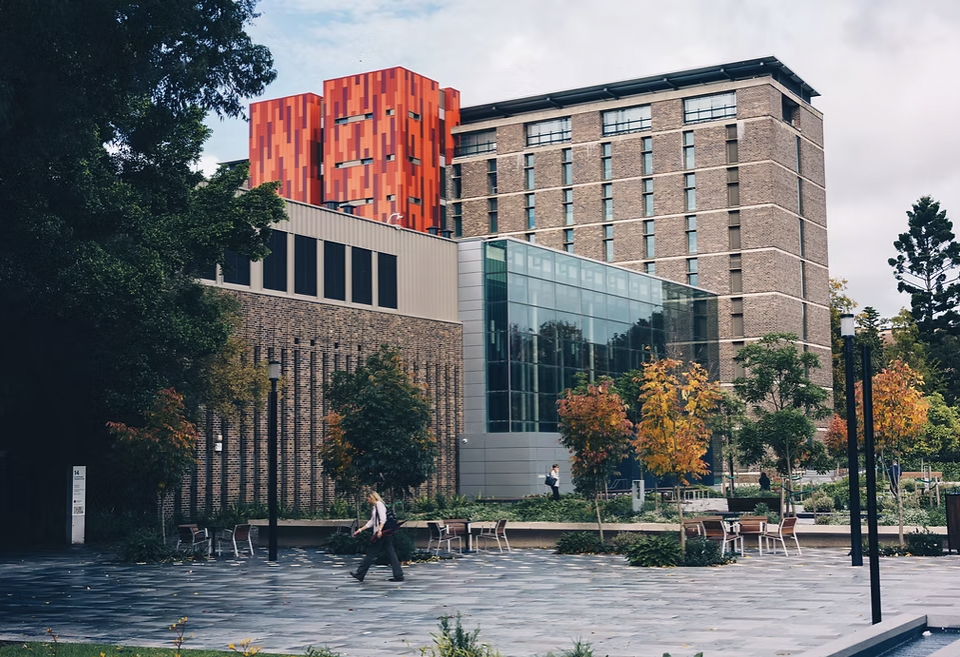
    Across North America and beyond, colleges and universities are making sustainability a priority. From climate action plans to zero waste targets, institutions are looking for practical ways to shrink their environmental footprint. One area that often gets overlooked, but holds major potential, is food and organic waste.

    Campus kitchens, dining halls, residences, and grounds crews generate a steady stream of compostable material every day. Instead of sending it off-site, or worse, to the landfill, more universities are turning to on-site composting as a hands-on solution.

    That’s where the T-REX Composter comes in. Built for high-volume use, this industrial system turns food scraps and other organics into nutrient-rich compost, right on campus. For universities aiming to cut waste and back up their sustainability goals with action, the T-REX offers a clear, practical step forward.

    Cuts Down on Hauling and Off-Site Processing

    One of the biggest challenges with organic waste is moving it. Trucking food waste to distant composting sites adds up, including fuel, labour, emissions, and scheduling headaches. On-site composting takes most of that out of the equation.

    With a T-REX Composter, waste is processed right where it’s produced. That means fewer trucks, less fuel, and no third-party processing fees. Over time, those savings add up, not just in dollars, but in reduced carbon emissions too.

    Turns Food Waste Into a Useful Resource

    One of the most immediate upsides to composting on campus? The end product. The compost created by the T-REX is a rich, soil amendment that’s ideal for use in campus landscaping, gardens, and greenhouses.

    Many universities are already putting this compost to work, in campus gardens, agriculture programs, and groundskeeping. It’s a great example of a closed-loop system where waste becomes a resource, right where it started.

    Engages Students and Adds Learning Opportunities

    Universities are places where ideas are tested, and composting fits right into that spirit. On-site composting often become part of the curriculum, research, or student-led initiatives.

    Students in environmental science, biology, engineering, or sustainability programs get hands-on experience with composting systems. Others might help run awareness campaigns, track data, or develop educational signage around waste stations. In many cases, student advocacy is what gets these systems on campus in the first place.

    The T-REX becomes more than just a machine, it’s a learning tool, a project hub, and a way to connect theory to real-world action.

    Supports Climate and Zero Waste Goals

    Almost every university today has some kind of climate or sustainability plan, and composting plays a direct role in hitting those targets.

    When organic waste ends up in landfills, it breaks down without oxygen, releasing methane, a greenhouse gas far more potent than CO2. Composting it instead reduces emissions and produces a valuable byproduct.

    Installing a T-REX Composter makes it easier to track and report on metrics like waste diversion, and sustainability certifications (like LEED). It also gives schools a tangible step to show they’re making progress.

    Cleaner, Easier, and More Scalable Than Traditional Composting

    Forget the image of smelly compost piles or messy bins. The T-REX Composter is fully enclosed, odor-controlled, and automated. It’s designed to handle large volumes with minimal hassle.

    Because it’s a sealed system, it prevents issues like pests, smells, or runoff. It’s faster than traditional composting, and much easier to manage. Staff can monitor it remotely and tweak settings as needed, no pitchforks required.

    That makes it a great fit for campuses with limited space, lots of foot traffic, or strict cleanliness standards. It blends into operations without creating extra work.

    Helps Shift Universities Cultures

    When composting is visible and part of everyday campus life, it starts to influence behavior. Students and staff are more likely to sort waste properly when they know where it’s going, and that it’s staying on-site.

    This kind of change builds over time. Composting can lead to better waste habits, more awareness of sustainability programs, and a greater sense of shared responsibility. It’s also something students and staff can take pride in.

    Many schools feature their composting efforts in campus tours, marketing materials, and annual reports. It’s a way to show prospective students and the wider community that sustainability isn’t just a buzzword, it’s part of how the campus runs.

    Prepares Campuses for Future Regulations

    Across the continent, food waste laws are getting stricter. Some cities and provinces are banning organics from landfills or requiring composting programs for institutions.

    Installing an on-site composting like the T-REX helps schools stay ahead of the curve. It’s a long-term investment that builds resilience, keeps campuses in compliance, and shows leadership in sustainable operations. And by getting started now, schools can ease into new regulations without scrambling to catch up later.

    A Practical Step Toward a Greener Campus

    On-site composting with the T-REX is more than just a waste solution. It’s an investment in campus sustainability, student engagement, and operational efficiency. It saves money, supports campus agriculture, and helps meet climate goals while keeping waste out of landfills.

    For schools ready to take action, the T-REX offers a practical, proven way to rethink food waste. Sometimes, change starts right where your waste ends.

  • How Sustainability Builds Customer Loyalty

    How Sustainability Builds Customer Loyalty

    Sustainability is now a necessity, not an option. Customers are paying attention to how businesses handle waste, and those that take real steps toward reducing their environmental impact earn stronger loyalty. On-site composting is one of the most effective ways to show a commitment to sustainability while also creating deeper connections with customers.

    Why Customers Care About Sustainability 

    More people are making buying decisions based on a company’s environmental impact. Many are even willing to pay more for products and services from businesses that actively reduce waste. Younger generations, in particular, choose brands that align with their values and back up their claims with action.

    On-site composting is a simple but powerful way to demonstrate sustainability. It keeps organic waste out of landfills, reduces methane emissions, and contributes to healthier soil. Unlike vague green marketing claims, composting provides immediate and visible results. Businesses that integrate composting into their operations not only help the environment but also show customers they are serious about making a difference.

    How On-Site Composting Strengthens Customer Loyalty

    Customers Value Authenticity

    People appreciate businesses that follow through on their sustainability commitments. On-site composting is a transparent action that shows real results. Restaurants, hotels, and retailers can highlight theiron-site composting efforts with signage, social media updates, or direct customer engagement. When customers see a business taking meaningful steps, they are more likely to return and recommend it to others.

    A Better Customer Experience

    Sustainability improves the customer experience. A café that composts coffee grounds and food scraps attracts eco-conscious customers who want to support businesses that reflect their values. Hotels and resorts that compost organic waste reinforce their commitment to sustainability, which can lead to better reviews, higher guest satisfaction, and repeat stays.

    A Competitive Advantage in a Changing Market

    Many industries are seeing sustainability shift from an optional initiative to a customer expectation. Businesses that reduce waste and communicate their efforts effectively stand out. A grocery store, restaurant, or hospitality brand with an on-site composting program will attract customers who actively seek environmentally responsible choices. Showcasing these efforts on a website, in marketing materials, or through customer conversations reinforces a company’s leadership in sustainability.

    Beyond Customer Loyalty and the Business Benefits of On-Site Composting

    On-site composting does more than enhance a company’s reputation. It can also reduce waste disposal costs, improve overall waste management, and in some cases, qualify businesses for sustainability grants or incentives. As environmental regulations become stricter, businesses that adopt on-site composting with the T-REX composter will be better prepared for future requirements.

    Turning On-Site Composting Into a Brand Strength

    Customers want to support businesses that take sustainability seriously. On-site composting is a simple yet impactful way to show real commitment while gaining a competitive edge. When businesses share their on-site composting efforts through signage, marketing, or direct engagement, they build trust, strengthen customer relationships, and create long-term brand loyalty.

    Companies that embrace on-site composting are not just reducing waste. They are positioning themselves as leaders in sustainability and giving customers a compelling reason to keep coming back.

  • Simplifying Waste Data Management With TFS IQ

    Simplifying Waste Data Management With TFS IQ

    In today’s world, effective waste management is about more than just reducing trash, it’s about understanding and optimizing the processes that handle it. That’s where TFS IQ comes in. Our platform provides immediate updates on the composting process of the T-REX Composter and tracks all the key data to help you manage waste more efficiently.

    TFS IQ gives businesses a clear view of their waste data management efforts, making it easier to track their T-REX‘s composting progress, monitor input and output, and make smarter decisions for sustainability. Whether you’re working to improve efficiency or meet waste diversion goals, TFS IQ offers the tools you need to achieve your waste reduction objectives.

    Instant Data for Smarter Waste Data Management

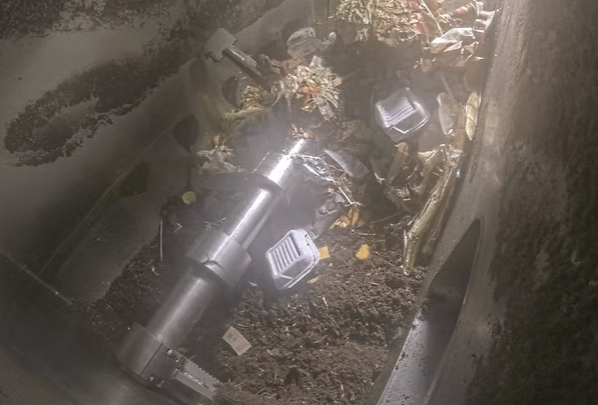
    One of the standout features of TFS IQ is its ability to provide instant access to data about what’s happening inside the T-REX Composter. Using advanced sensors and interior cameras, TFS IQ lets you see the composting process as it happens. These cameras track the compost’s condition and help spot any potential issues, like contamination, so you can address them without delay. The images are displayed on the machine screen and uploaded to the TFS IQ platform every few seconds, ensuring you always have access to the latest information.

    Keeping Track of T-REX Composter Machine Health

    TFS IQ isn’t just about monitoring the composting process, it also helps you keep your equipment in top shape. The platform tracks the health of your T-REX Series Composters, alerting you if any problems arise with the composter machine or the compost itself. Whether it’s a small issue that needs attention or a bigger problem requiring action, TFS IQ keeps you informed, helping prevent downtime and keeping your composting process running smoothly.

    Key Metrics to Track

    TFS IQ makes it easy to monitor a variety of important metrics during the composting process, ensuring you stay on top of your organic waste management.

    Pile Temperature: Temperature control is a vital part of composting, and TFS IQ tracks it continuously. The system allows for adjustments of the pile temperature as needed, ensuring it stays within a safe range. If the temperature falls outside of the acceptable range, the system can be reset to keep things on track.

    Heat Pad Temperature: The heating pads of the composter raise the temperature of the organic material, and TFS IQ tracks their performance. The platform ensures the heat pads are operating efficiently, helping the compost break down effectively.

    Moisture Levels: Too much moisture can hinder the composting process. TFS IQ monitors the moisture levels, ensuring the compost stays at the optimal level, so necessary adjustments can be made to further assist and optimize the composting process.

    Load Cell Weight: The system tracks the weight of the materials being composted, allowing you to compare input and output weights. This helps measure the efficiency of your composting operation and track how well the system is handling the organic and post-consumer packaging waste.

    Monthly Reports to Guide Your Decisions

    TFS IQ also provides monthly reports that give you an overview of your composting operations. These reports include data on the time spent loading and offloading, the number of totes loaded, and the comparison of input and output weights. By analyzing this data, you can spot areas for improvement, make adjustments, and refine your operations.

    Making Data-Driven Decisions

    Ultimately, TFS IQ helps businesses make better, informed decisions about waste management when using the T-REX on-site composter. By providing rapid access to data, monitoring key metrics, and diagnosing issues early, the platform helps you optimize your composting operations and improve sustainability. Whether you’re focused on improving efficiency or minimizing environmental impact, TFS IQ gives you the insights you need to succeed.

    Key Takeaways

    TFS IQ is a valuable tool for any business looking to enhance their composting operations and manage waste more effectively when using the T-REX on-site composter. With its ability to track everything from pile temperature to moisture levels, the platform ensures you have the insights needed to make informed decisions. By giving you fast access to data and detailed reports, TFS IQ makes it easier to manage waste smarter, stay efficient, and push sustainability goals forward.

  • Hosted Sorting Stations— A Key to Sustainable Waste Management

    Hosted Sorting Stations— A Key to Sustainable Waste Management

    Hosted sorting stations are emerging as an integral solution to improving waste management in high-traffic areas like food courts, and malls. These systems combine human oversight with innovative waste diversion techniques to minimize landfill contributions, reduce contamination in recycling, and align with environmental regulations.

    What Are Hosted Sorting Stations?

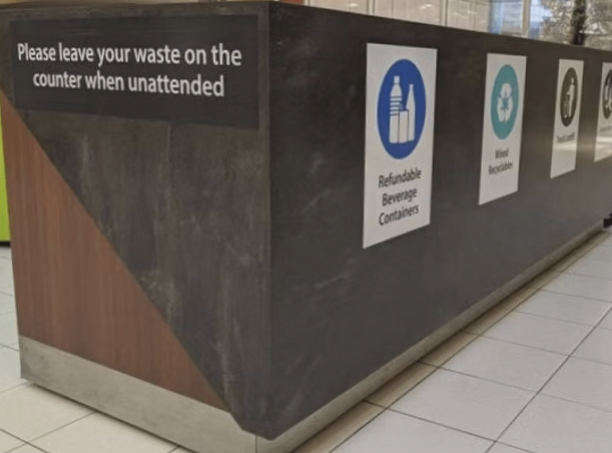
    Hosted sorting stations are designated areas where one can dispose of waste under guidance. Unlike traditional waste bins, these stations often include multiple clearly marked receptacles for organics, recyclables, and landfill waste. Staff members stationed there help ensure waste is sorted correctly, preventing common mistakes that contaminate recycling streams. Some systems are enhanced with signage or digital displays to educate users on proper disposal practices.

    Environmental and Operational Benefits

    Waste Diversion

    Hosted sorting stations significantly improve waste diversion rates by ensuring organics and recyclables are properly separated from non-recyclable waste. This not only reduces landfill waste but also supports broader on-site composting and recycling goals.

    Sustainability Goals

    With initiatives like Canada’s Zero Plastic Waste mandate by 2030 and regional organic waste bans, these stations help public spaces comply with environmental regulations. Facilities that implement these systems report reduced environmental footprints and improved waste management efficiency.

    Material Reuse

    Hosted sorting stations are often built with recycled or sustainable materials, such as high-density polyethylene (HDPE) plastics. This approach aligns the construction of sorting stations with their purpose—reducing waste throughout the entire lifecycle.

    Educational Opportunities

    Sorting stations serve a dual purpose as both waste management tools and educational platforms. By providing clear instructions and real-time assistance, these stations foster public awareness about sustainable practices. The presence of trained personnel can also encourage behavioral changes, transforming how people view waste disposal in public settings.

    Challenges and Opportunities

    Challenges

    Engagement

    Encouraging users to actively participate in waste sorting can be difficult, especially in fast-paced environments like food halls.

    Costs

    Staffing and maintaining these systems involve operational expenses that some facilities might find challenging to justify without external funding or subsidies.

    Opportunities

    Regulatory Compliance

    As governments tighten waste disposal regulations, hosted sorting stations are a proactive way for businesses to align with new requirements.

    Branding and Public Image

    Facilities that adopt these stations position themselves as sustainability leaders, which can attract eco-conscious customers and boost community efforts.

    Future Directions

    Looking forward, hosted sorting stations will continue to evolve as an effective way to reduce waste contamination and improve diversion rates. Incorporating solutions like the T-REX Composter enhances these efforts by processing organic waste on-site, turning it into valuable soil amendments and supporting sustainability goals.

    By combining practical solutions with education and innovation, hosted sorting stations represent a pivotal step in tackling the global waste crisis. Whether reducing contamination, supporting waste diversion, or meeting sustainability mandates, these stations are setting the stage for a greener future.

  • Managing the Holiday Waste Surge with Organic Waste and Packaging Challenges

    Managing the Holiday Waste Surge with Organic Waste and Packaging Challenges

    The holidays bring plenty of joy, celebration, and sharing, but they also lead to an overwhelming increase in waste. Whether it’s uneaten leftovers from festive meals or packaging from the season’s gift-giving, the holiday period generates significantly more organic and post-consumer waste compared to other times of the year. This spike creates challenges for waste management, particularly for businesses handling large volumes of food and customers.

    Increased Holiday Waste

    Organic waste often sees a dramatic rise during the holiday season, with estimates suggesting up to 30% more food waste. Over-purchasing, over-preparing, and poor meal planning are key contributors. Businesses in the hospitality sector face an even steeper increase due to banquets, catered events, and larger customer numbers, resulting in excess food that frequently ends up being discarded.

    Packaging waste adds another layer of complexity. Gift wrap, disposable containers, boxes, and plastic materials pile up, with many of these items being difficult or impossible to recycle. The seasonal peak in shopping and gift-giving exacerbates this issue, with waste from packaging increasing by roughly the same proportion as food waste.

    Environmental and Financial Impact

    Holiday waste doesn’t just disappear. Organic materials in landfills break down anaerobically, releasing methane, a greenhouse gas with a far greater impact than carbon dioxide. Mismanaged packaging waste often contaminates recycling systems, sending otherwise recoverable materials to landfills. Businesses are hit financially, too, with increased hauling and waste processing costs during the holiday rush.

    Role of On-Site Composting

    On-site composting offers an effective solution to handle the surge in organic waste and post-consumer packaging. The T-REX Composter provides a practical and sustainable approach to managing food scraps directly at the source.

    The T-REX can process up to anywhere between 275 to 1370 kilograms of organic waste daily depending on the machine size, making it well-suited for busy environments such as restaurants, event spaces, and large residential complexes. By reducing the need for off-site transportation, businesses can save significantly on hauling costs while reducing their carbon footprint. The soil-amendment produced on-site can be repurposed for landscaping, donated to local gardens, or even sold, turning waste into a valuable resource.

    Addressing Packaging Waste

    While on-site composting is a game changer for organic materials, holiday packaging waste remains a challenge. Businesses and individuals can take steps to reduce their impact by switching to compostable post-consumer packaging, encouraging proper sorting, and minimizing the use of single-use materials in favor of recyclable, reusable, or compostable alternatives. These small changes add up, lightening the load on waste systems and reducing the overall environmental impact. Additionally, compostable post-consumer packaging is processable through the T-REX Composter and can be added to the machine along with organic waste.

    A Sustainable Holiday Season

    The surge in waste during the holidays is a predictable challenge, but it doesn’t have to remain an inevitable problem. While adopting on-site composting with the T-REX Composter won’t solve this year’s holiday waste, planning now ensures businesses will be ready to handle next season’s challenges with a sustainable, efficient solution.

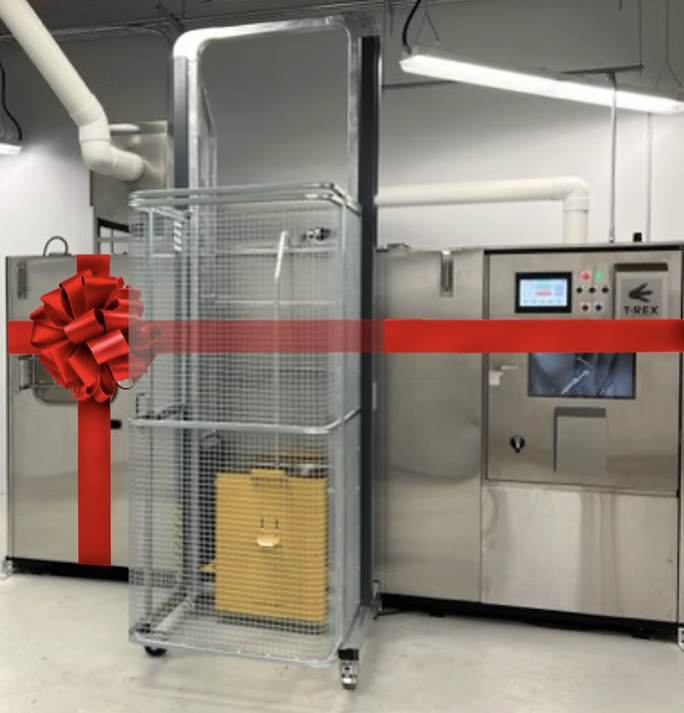
    The T-REX Composter is built to order, a process that takes time to ensure it meets the specific needs of high-volume environments. By acting early, businesses can position themselves to take control of their organic waste in time for the next holiday season, reducing costs, cutting emissions, and transforming what was once trash into a valuable resource.

    Taking steps today to prepare for future holidays allows businesses to align their operations with long-term sustainability goals. Managing holiday waste effectively isn’t just good for the environment—it’s an investment in a cleaner, more efficient future for both the planet and the business.