
Tag: sustainable food waste solutions

  • Taking Control of Your Organic Waste Process— Why Relying Solely on External Contractors May Be Holding You Back

    Taking Control of Your Organic Waste Process— Why Relying Solely on External Contractors May Be Holding You Back

    Meeting sustainability goals is a growing priority for businesses, andwaste management is a crucial part of that effort. However, relying only on external contractors to handle organic waste processes can present challenges that make it difficult to meet these targets. From inconsistent service to regional limitations, outsourcing waste management often means losing the control necessary to drive measurable change. Here’s why managing your organic waste process internally might be the solution.

    The Limitations of Relying on External Contractors

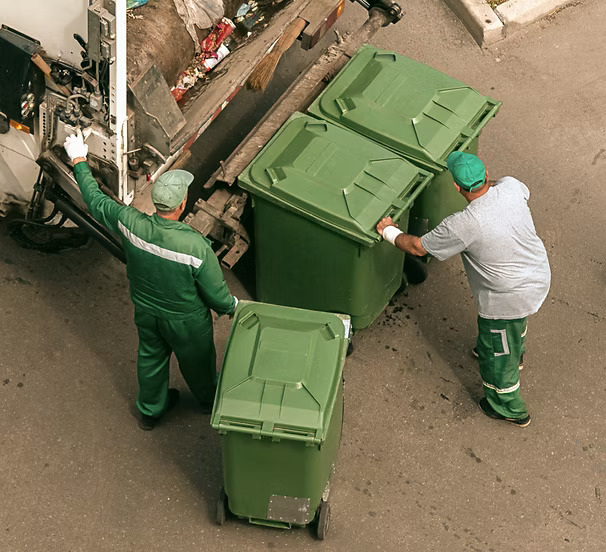
    External contractors often have set processes and timelines that don’t always align with your sustainability goals. While they can help with waste removal, many businesses find that these services aren’t tailored to their specific needs, especially when it comes to reducing emissions or reaching diversion targets. Service providers may focus more on logistics than on achieving the kind of deep environmental impact that companies desire.

    Moreover, depending on where your business is located, you might face regional limitations regarding recycling or composting services. In some areas, external contractors may not offer the services you need, or those services might not be consistent. This makes it challenging to track and report on sustainability progress with accuracy.​

    Why Taking Control of Your Organic Waste Process Matters

    To meet sustainability targets, companies need a more reliable, transparent way to manage their waste. Implementing internal waste solutions, like on-site composting or waste tracking systems, allows businesses to gain full control over their processes. This not only ensures that sustainability goals are met, but also gives companies the ability to monitor and adjust their practices as needed.

    For example, having an on-site composting system like the T-REX Composter can drastically reduce the reliance on external hauling services,cutting transportation costs and lowering emissions. It also helps companies more accurately track their waste diversion efforts, providing the data needed to demonstrate real progress toward sustainability goals.​

    Benefits of Internal Waste Management Solutions

    Taking control of your organic waste process internally comes with several key benefits. For one, it allows you to customize your approach. Whether it’s waste diversion, or carbon reduction you can ensure that your strategy aligns with your specific sustainability targets.

    Internal waste management solutions also make it easier to integrate technology that can help streamline operations. Real-time data tracking and automated reporting ensure that your company stays on top of waste reduction goals and can adjust strategies quickly if needed. This data-driven approach also gives businesses the insight they need to optimize their waste practices, improve efficiency, and make smarter decisions.

    Achieving SustainabilityGoals with Internal Control

    By managing waste internally, businesses are able to meet sustainability goals more effectively. It’s easier to adjust your organic waste process to meet changing needs and to address gaps in service when you have direct control. The transparency and data provided by internal solutions ensure that progress can be tracked and adjusted, giving companies the confidence that they’re on the right path.

    More importantly, taking control of your organic waste process fosters a culture of sustainability within the company. Employees are more likely to engage with and support sustainability initiatives when they see the direct impact of their actions on the business’s environmental footprint.

    Internal Solutions Drive Consistent Results

    While relying on external contractors may seem convenient, it often leads to inconsistencies and gaps in meeting sustainability targets. By taking control of your organic waste process internally, you can ensure your strategies align with your sustainability goals. Internal solutions, such as on-site composting and waste tracking technologies, offer greater flexibility, efficiency, and accountability—helping your business make tangible progress toward a greener future.

    Investing in internal waste management solutions isn’t just about reducing dependence on external contractors; it’s about creating a sustainable, efficient, and data-driven process that drives real results. The benefits are clear: greater control, better cost management, and a more resilient approach to meeting your environmental goals.

  • Transform Waste into Opportunity with On-Site Composting

    Transform Waste into Opportunity with On-Site Composting

    Imagine a busy food court or office cafeteria where trays of leftover food are tossed into the trash, bound for a landfill. This is a common sight in many places. Now, consider an alternative where those scraps never leave the building. Instead of being discarded, they are transformed into something valuable right on-site. This is the potential of on-site composting, offering a practical and sustainable solution for managing organic waste.

    The Composting Process

    Composting is nature’s way of recycling organic materials such as food scraps into nutrient-rich soil amendment. Items often seen as waste, including vegetable peels and coffee grounds, become valuable resources through this process. Rather than contributing to landfills, these materials enrich the soil and support plant growth.

    Microbes are the driving force behind composting. When organic waste is collected and placed in a composting system, these organisms immediately begin breaking it down. Initially, the process remains cool as softer materials like fruit peels decompose. Over time, the compost heats up, breaking down tougher materials while eliminating harmful pathogen.

    Aeration is essential to the process. Without oxygen, decomposition slows and unpleasant odors can develop. Regularly turning the compost or using a system with built-in aeration keeps oxygen circulating, ensuring efficient breakdown and odor control.

    On-Site Composting for Your Business

    Before implementing on-site composting, it is important to determine if your business produces enough organic waste to make it effective. Consider whether your building generates a steady stream of food scraps and if there is enough space to accommodate a composting system, keeping in mind that Terraforma Systems offers several different machine sizes depending on your building needs and requirements.

    Businesses with a consistent flow of organic waste can benefit from reduced waste hauling costs and enhanced sustainability practices. On-site composting is an ideal solution for organizations committed to reducing their environmental impact while managing waste more efficiently.

    The Journey of Waste to Compost

    The process begins when organic waste, such as banana peels, eggshells, or coffee grounds, enters the composter. Businesses and malls often place designated bins in food courts, cafeterias, kitchens, or outdoor areas to collect these scraps. Inside the composter, microbes break down the organic material into simpler compounds, eventually forming a nutrient-rich and dark soil amendment.

    As decomposition continues, heat naturally builds up, accelerating the breakdown process and eliminating harmful pathogens. Many composting systems include aeration features to keep microbes active and prevent odors, making the process efficient and clean.

    The Benefits of Using The Output Soil Amendment

    Within up to 24 hours, the organic material transforms into dark, crumbly soil amendment that is ready to be used to enrich soil after treatment. This nutrient-packed product can be used to enhance landscaping, gardens, or urban farms, reducing the need for chemical fertilizers.

    Businesses with large campuses or green spaces can use compost to maintain their grounds sustainably. In urban areas, excess compost can be donated to community gardens, supporting local food production and fostering stronger community ties. On-site composting not only reduces waste but also creates a positive environmental impact.

    Reducing Costs and Environmental Impact

    On-site composting helps businesses save on waste hauling expenses by eliminating the need to transport food scraps to external facilities. This approach reduces transportation costs and disposal fees, providing a cost-effective waste management solution.

    By sending less organic waste to landfills, businesses also cut methane emissions, a significant contributor to climate change. On-site composting helps lower a company’s carbon footprint while demonstrating a strong commitment to sustainability.

    Supporting the Circular Economy

    On-site composting supports the circular economy by viewing waste as a resource rather than something to be discarded. Businesses that adopt this approach demonstrate leadership in sustainability, which resonates with eco-conscious clients and consumers. By transforming waste into a valuable resource, companies contribute to a healthier planet and enhance their brand image.

    A Step Toward Sustainability

    On-site composting goes beyond waste reduction by reshaping how businesses view organic material. Instead of discarding valuable resources, companies can turn them into a product that nourishes the environment, reduces costs, and supports sustainability efforts. This simple yet impactful step transforms waste into an asset, benefitting both the business and the planet.